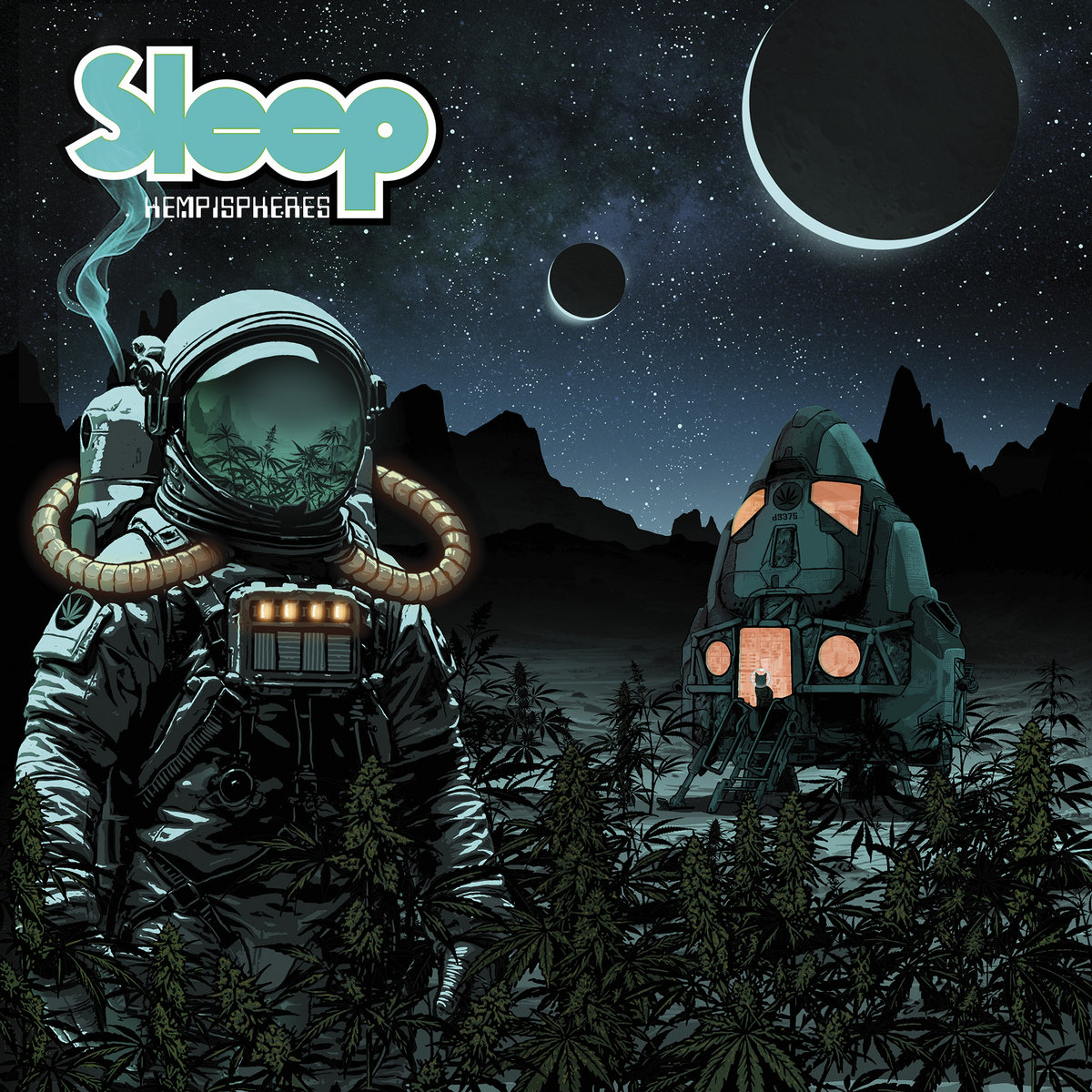
Sleep – “Hempispheres”

Key Tracks: N/A

When Brooklyn Vegan was cruelly shuttered, I felt the need to write a piece about the current state of music journalism. The positive effect was that it inspired me to finally kickstart this blog again. In that time, I’ve done reviews of Chat Pile, and a handful of artists who reached out to me, all of which were extremely positive. I’m not quite sure what this blog will look like going forward, but I do feel the need to highlight that talking positively about music does not equal PR, and that sometimes criticism is just criticism. All of this is to say, I feel compelled to write about the new Sleep album, partially because of the quality, and partially to keep this blog out of the realm of poptimism.

Sleep’s fifth album Hempispheres proves just how incredible of a riff machine Matt Pike has been. Matt Pike is not on this album. The guitarist was the key point of Sleep, separating them from the myriad of other stoner metal bands out there. Practically every stoner metal band (if not every) owes their existence to Black Sabbath and their legendary guitarist, Tony Iommi. Axeman after axeman has tried to copy Iommi’s style – slow riffs with significant distortion and a bit of a blues influence – but few have come as close as Pike. Sleep’s first two albums in the early 90’s established them as a credible doom metal band, and helped solidify the subgenre. In 2003 (and not 1999), the band released their masterpiece, the one-song album Dopesmoker. The band had already broken up, but reunited in the late 10’s, eventually releasing The Sciences, one of the best reunion albums in any genre of music. Cut to 2026, and both Matt Pike and drummer Jason Roeder are out, with the band now fully led by Al Cisneros, the founding bassist and vocalist. Everyone is worse off because of it.

Now, I’ve been glazing Pike, who I feel is one of the best metal guitarists of all-time. It should be noted that the reason he was booted from Sleep is very possibly due to his antisemitic conspiracy theory connections. Regardless of how true it is, he’s clearly a loony. It puts a stain on his albums with Sleep and High On Fire, who have always had some questionable lyrics anyhow. It’s not clear why Roeder also got the boot, but him and Pike have been replaced. Melvins drummer Dale Crover now sits behind the kit, a fantastic drummer with an insane pedigree. Bubba Dupree, an 80’s hardcore guitarist, now handles the axe. It’s an odd fit, taking someone known for playing songs at hyperspeed and asking him to handle punishingly slow riffs.

And when you write about Sleep, you need to devote a full paragraph to riffs. No one is listening to Sleep for the lyrics. Sleep’s riffs have always been fascinatingly direct, sounding simplistic while both completely original and fatally heavy. The riffs just aren’t here. I mean, they are, every song on Hempispheres remains centered on riffs, but they aren’t here. They’re mixed a little more quietly, and Dupree just cannot match the guitar tone that Pike was able to achieve. Cisneros often feels like the focal point on bass, but it sounds more like he’s trying to salvage the songs rather than make them deep and heavy. Each of the five songs on the album just feel limp. The music isn’t memorable, isn’t pounding, and just isn’t very fun to listen to. Crover manages to inject some life into some songs behind the kit, but it’s too little, and it isn’t his responsibility to keep these tunes chugging along.

I’ve noted that Sleep isn’t exactly a lyrics-focused band, but historically their lyrics have been better than this. Sleep have always separated themselves from other doom metal bands by avoiding really entering the stoner side of things. There’s a weird disconnect in the genre, where the music is presented as punishing and serious, but the bands often sing about doobies or general silly business. For every Froglord, there’s ten bands who can’t make the disconnect work. On Hempispheres, the band falls victim to it. The lyrics here are extremely weed-focused, and not in any sort of cool way. There’s bad puns, and weird plays on words. I mean, it’s called Hempispheres. Iommi’s name is also invoked, which the legend will probably not find particularly inspiring.

So why does this exist? Almost no one is helped by this record’s existence. The trio is on a big tour right now, which is arguably enough of a justification. But Hempispheres is the first mediocre Sleep record, and it’s real bad. It’s a stain on the discography of Cisneros. Dupree isn’t the right fit, and his record isn’t aided by it. The record is a stark realization of how integral Pike was, but serves as a reminder for who he is as a person too. The fans don’t seem to be particularly into this one either. It’s turned me off on seeing their upcoming show in Boston. I’ve seen Sleep once, on 4/20 at the State in Portland. It was an incredible show, where the band played the entirety of “Dopesmoker” and a second full hour after. Will Sleep sound as good live as they did in 2019? I can’t imagine that’s the case. What a waste.
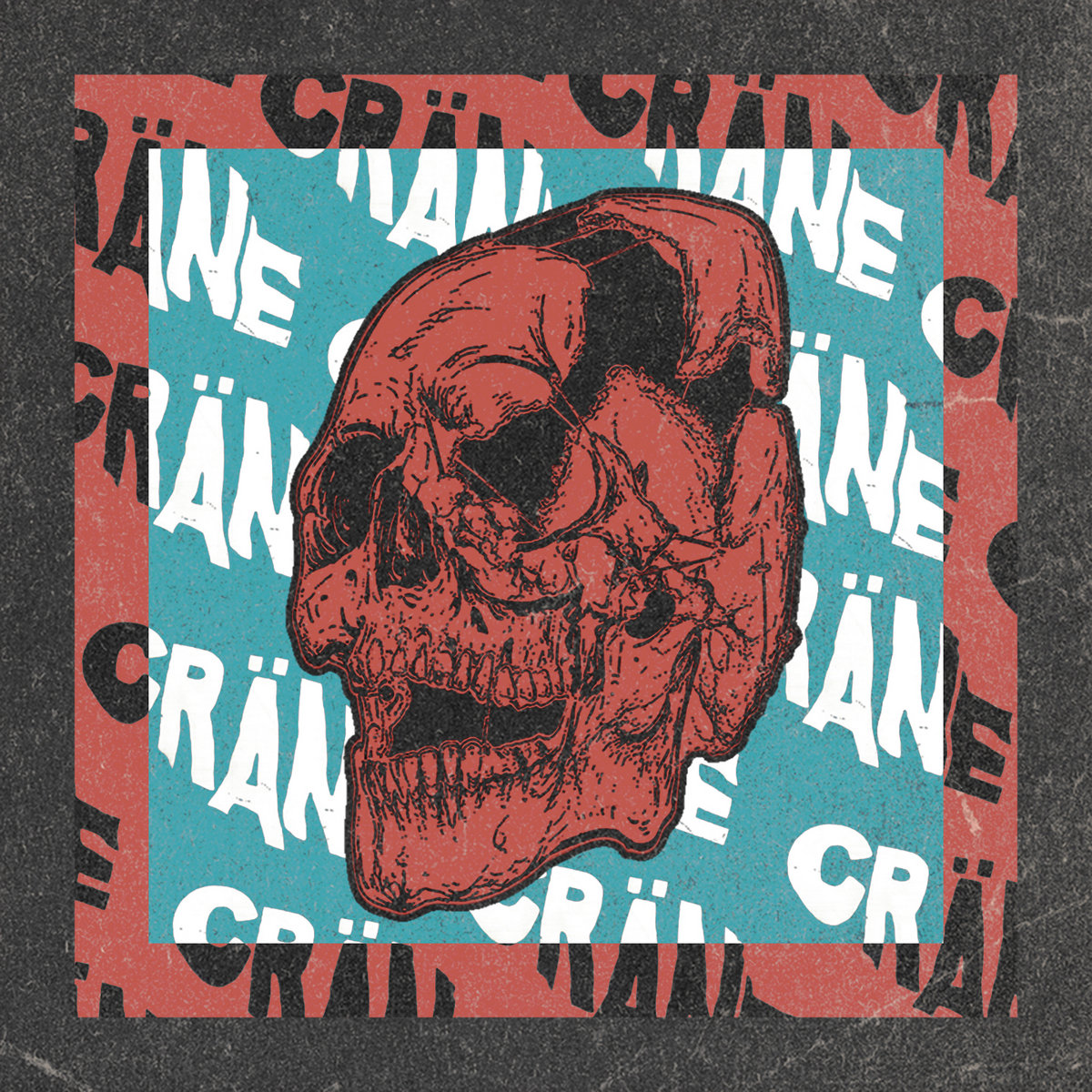

Cräne – “15 minutes de plaisir”

Key Tracks: “Filth,” “The Hunt”

Whether it’s the underdiscussed hardcore revival happening, or my own tastes mutating out of solidifying anger at the world, or a combination of both – I’ve been digging into more and more hardcore bands over the past two years. There is absolutely a rebirth of hardcore happening, both classic and new mutations. Bands like Knocked Loose and Turnstile are taking the format of hardcore and spicing it up with anything they please, and pushing it onto stages not normally reserved for hardcore. It feels like every day I hear about a new hardcore band from a new corner of the continent. Well today, it’s Cräne, out of Montreal. They’re ultra-fresh on the scene, having just put their debut EP, 15 Minutes de Plaisir. As someone who loves hardcore and has always kept up with French lessons, c’est un grand cadeaux pour moi. 

Cräne is made up of Shirley on vocals, Jypse on guitar, Wawa on bass and Frank on drums.Although this band is new, it brings together members of Powercup, Apostoloï, Wild Call and Ditch. The band stray closer to the standard hardcore side of things, but never feel too complacent about it. All eight songs here are defiantly hardcore, from the bass opening of “Mépris” to the more drawn-out closer, “The Hunt.” Fans of classic hardcore will find solace in all 70 seconds of “Dead Heat,” a power chord-heavy blast of aggression. “Filth” and “Time’s Up” are also among the EP’s more hardcore-heavy tunes. 

But some songs go a little more astray. There’s a persistent garage rock influence on the tape, especially on “Lasso” and “The Hunt.” There’s some early 60’s proto-psychdelia present in the frantic melodicism. “Mépris” kicks the tape off with some of that energy as well, also backed up by some 70’s psychedelic-inspired vocals from Shirley. “Édifiant” is longer and denser than most of the other songs here, taking just a touch more time to lay things out. The longest track is “The Hunt,” a second shy of three minutes, and on top of the garage rock there’s a real 90’s punk feel to it. It’s the most melodic song on the tape, with hints of bands like Rancid in the rhythm. 

Gone are the stereotypical niceties of Canadians. This is aggressive hardcore, and the energy is palpable. The tape is, in case the title was not clear, only 15 minutes or so long. These songs put bass front and center, courtesy of opportunistic pummeling from Wawa. Shirley gets some good lyrical licks in too, singing “Hope you never get laid, hope you never the chance” on “Filth.” Her vocals carry most of these songs, with a big, shrieking feel to them that you don’t find too often in hardcore. It’s clear they’re not just ingesting hardcore, but old school garage rock and classic rock as well. Cräne might only be just now testing the waters, but it’s an impressive little debut to watch out for. 

15 minutes de plaisir is available now on Bandcamp. 

Wellness – “Wellness”

Key Tracks: “Shallow Graves,” “Stained Glass”

Does your math rock now come packed with extra protein? The sheer concept of health is up for debate in 2026, but wellness isn’t. And neither is Wellness, a new screamo-adjacent group out of New York who put out their self-titled debut album today, September 18th. The group comes with pedigree, bringing together Morgan Brown (Heavenly Blue) on guitar, Leo Didkovsky (Liturgy, Kayo Dot) on drums, Morgan “Mo” Miller (Liturgy, Chepang) on bass, Cara Moses (Channel Vessel) on guitar, and Aeryn Jade “AJ” Santillan (forever, Massa Nera) on vocals. Longtime readers may know that Liturgy is a particular favorite of mine, so naturally I was intrigued by how that group’s black metal influence may extend to hardcore.

Math rock, for the arithmetically disinclined, has its roots in the complex and drawn-out structures of songs in bands like Rush and Yes. But over time, it has become a bit of a catch-all for unpredictable heavy bands as well. This is where Wellness fit in, who self-describe as “chaotic mathcore.” The seven songs on their debut stretch across screamo, emoviolence, math rock, black metal, and a few other subgenres that would give a normal person a headache. All seven songs are hyper-aggressive, with bleak and pained screaming vocals courtesy of Santillan. The opener “503” really sets the tone for the album, as the most straightforward screamo song on the record. The song acts as a mission statement of intensity before the band starts kicking off in other directions. The math rock and emo elements come through in the riffs and rhythms on “Possessions” and the closing song called, well, “Wellness.” These are among the more melodic tunes on the album – something that is not a guarantee across every song.

Black metal is a major influence here, which is surprisingly uncommon for screamo bands like this. “Tell Me How It Ends” has the bluntest black metal influence, with nary a central rhythm and consistent walls of noise. The follow-up, “Stained Glass,” feels like only a half-step towards brightness, as the song matches the walls of noise with more stereotypical rock drumming. “Glass” is the most ambitious song on Wellness, with a huge pause after a minute followed by a noise wall, only to end in a very skramz finale. It’s an odyssey through the various interests of each band member. There is a slight metalcore nudge at times, as well – “Countering” sneaks a metalcore finish into what’s the grungiest song on the album, and “Wellness” tosses some metalcore influence into the mix too. On “Wellness,” the band manages to, somehow, end on the heaviest note on the record, sending listeners home with a cacophonous wall of guitars. Even though the album jumps to 10 from the opening beats and rarely lets up, it saves the biggest shove for the final few seconds.

Wellness describe their music as “made by and for the girls, the nerds, and the freaks.” I fit firmly into one of those and, on occasion, two. This is a deeply political release, reflective of the current oppressive state of American politics. Wellness is a melting pot of various extreme subgenres, just as the intended audience is any collective group of better-than-normal outcast. The album, in its brief runtime, tackles anticapitalism, transness, state violence and – most importantly – hope. The energy at which Wellness plays feels like pure catharsis, so much so that it trickles through to the listener. The way that the songs on Wellness blend from one to the next makes it sound like the band jumped in the studio and did one long, singular take of the record, one act of cathartic meltdown. It’s alright to let the anger out, especially when some hope is splashed in. In case this isn’t clear, PGMR stands firmly and permanently with the dolls, and anyone under the thumb who chooses to make art, especially when it is something so proudly loud and aggressive.

The individual members of Wellness have accrued a ton of experience already, but for a band that has only been jamming for a year, this is a breathtaking debut, literally. The ferociousness of these songs might actually take your breath away. Wellness is only 16 minutes, but listeners might not be able to take much more of it, for their own, uh, wellness.

Wellness is available now on Bandcamp and streaming sites (but not Spotify).

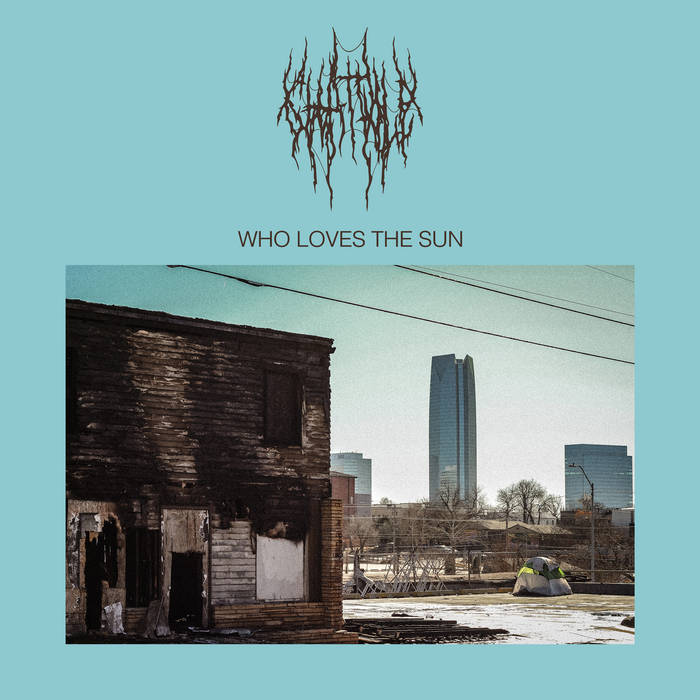
Chat Pile – “Who Loves The Sun”

Key Tracks: “Influence,” “Family Funeral”

Batten down the hatches, the kings are back. The first album from the Oklahoma City noise rock upstarts, God’s Country, is somewhat easily one of the best records of the decade so far. But I personally couldn’t really crack into their follow-up, 2024’s Cool World. I enjoyed it, but I just couldn’t quite click with it. So when I saw initial rave reviews for their third true album, Who Loves The Sun, I was a little apprehensive. No reason to be. This takes everything Chat Pile has done to date, and makes it 10x better.

Whether intentional or not, Chat Pile landed at the exact right moment. Heavy music is on the rise again, and the torchbearers are bands that are not settling themselves into one specific genre. Chat Pile often tour with metal bands, play metal festivals, and sell merch directly to metal fans – but they’re not a metal band. Noise rock is a bit of an “unclassifiable” fallback, and Chat Pile have always managed to just skirt around the metal moniker. Their music is very sludgy, often called straight sludge metal, which I understand but do not agree with.

So Chat Pile find themselves on a precipice of their own making. This album is their most diverse yet, which also makes it both their most ambitious and the outright best. Bands like Turnstile and even 100 Gecs are incorporating various genres of metal and hardcore into other influences, in an effort to make them more palatable to the masses. The end results are intentionally messy albums that can switch from thrash metal to pop on a whim. But Chat Pile aren’t a band like Turnstile, Chat Pile have found a specific lane that is all their own and so far haven’t strayed too far from it. On Sun, they do.

The noise rock is strong across this record, of course. Early single “PEN I S MALL” hearkens back to the sludgy, noisy songs the band did across their first two records. Most of the songs on the album do – they’re laboriously heavy, keep a medium tempo, and feature vocals either talked or screamed from frontman Raygun Busch. But the creeping outside influences cannot be ignored. The hypnotic opening guitar riff from “Shrine” sounds akin to 1997 KoRn. Late-album cut “Influence” sounds similarly nu-metal inspired, with the bass-heavy soggy riffs and almost beat-inspired drumming. You’d be forgiven for hearing some subtle black metal influences here too, in an occasional wall of noise. And the largely acoustic finale “October All The Time”? That’s new entirely.

Chat Pile have always been a pessimistic, misanthropic band, and there are some songs here that are abrasive on the mind. Late album standout “Family Funeral” is the maybe the most emotionally intense song the band have ever done. Chat Pile are extremely political (on the good side), and always have been. This is a deadly serious record. Chat Pile are a serious band, but it was only a few years ago they were also releasing songs with titles like “grimace_smoking_weed.jpg.” Yes, even “PEN I S MALL” is a humorless tune. Gone are those little strings of satire among the misery – it’s just misery now. Come play along!

2026 is a year that demands a lot of visceral emotion. If an artist wants to combat everything morose and find joy – more power to them. But Chat Pile, more than maybe any other band, is expected to produce something loud and angry. They succeeded far beyond anyone’s lofty expectations. It’s an automatic contender for album of the year. It might be my favorite heavy album so far, though the sudden rebirth of The Saddest Landscape is pretty unimpeachable. It isn’t for the faint of heart, or the purists, but for people who are looking to live through someone venting their frustrations in a raw and unique way, Chat Pile have you covered.

Who Loves The Sun is available on streaming and Bandcamp now.

Maidenhead – “Maximum Clonage”

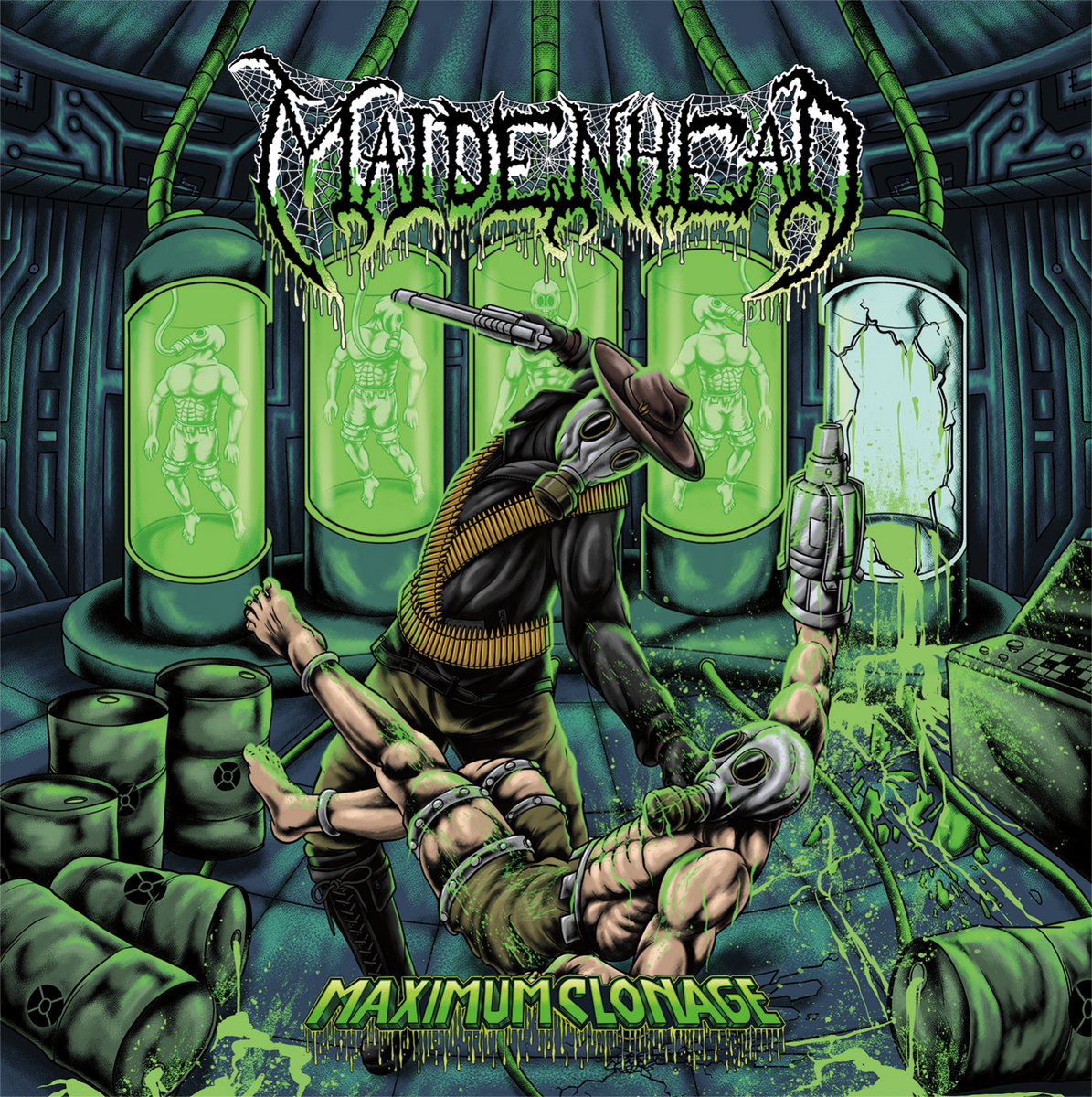
Album cover of Maidenhead's album Maximum Clonage

Key Tracks: “Maximum Clonage,” “Magia Obscura”

Boston has a long and rich history producing metal bands, including the likes of Converge and Hatebreed. But much of the New England scene was a mutation of the robust 80’s hardcore movement. Lately, there hasn’t been much of a metal scene beyond scattershot groups. Maidenhead are here to change that. The Massachusetts & Rhode Island-based group deftly blends metals death and thrash on their second album, Maximum Clonage. Guitarist and backing vocalist Zack Roberts founded Maidenhead back in 2013, but the line-up on Clonage is all relatively new. Drummer Andre Forero joined in 2017, guitarist Vance Simmons and singer Zeping “Bella” Song came aboard in 2024, and bassist Lawrence Lee is newly in the band as of this year. This updated unit is brutal and tight, and fresh energy allows Roberts to keep things energetic and original.

There are a million and one metal bands out there, because there are fans that are always plumbing the depths for the hot new shit. As metal festival lineups grow larger and even more illegible, bands have to find ways to stand out. Maidenhead do so in one of the most obvious ways – crossing the genre streams. Clonage hops effortlessly between thrash and death metal, in a way that probably makes the genre purists hold their noses. The band incorporates death metal snarls into songs like “Kill Or Be Killed” and “Burst Stream of Destruction,” while tunes like “False Masked Hero” deliver whiplash thrash riffs. “Death March” is maybe the most death metal-aligned song here, complete with an abrupt shift in tone halfway in. “Magia Obscura” even sneaks in some straight hardcore punk, with some street energy, hardcore drumming, and an intro that represents the heaviest bars on the record.

There is something lacking in modern music, even in a lot of newer metal: guitar solos. Don’t worry, Maidenhead have you covered. This is not just extreme metal, they’ve got throwback thrash in here too. “Hero” and “March” grace us with excellent solos, something I didn’t even realize I had been missing. Also, we’re consistently gifted with Song’s unbelievable vocals. She launches these songs into a different platform with her classic death metal snarls and screamed vocals. The title track might be her finest work on the record, just a full vocal assault over the crunching guitars. And the band has not come without some pedigree – Clonage has a number of guest spots, including appearances from former Megadeth guitarists Glen Drover and Chris Poland, and Annihilator bassist Rich Gray. In a sea of ever-spawning and mutating metal bands, getting some backup from some of the most famous guys to do it is a hell of a way to stand out.   

Clonage doesn’t overstay it’s welcome. Counting an intro and an outro, it clocks in at only 8 songs and 30 minutes. In an era of album bloat, especially in metal, a quick assault can be a relief sometimes. The record is a refreshing burst of old-school energy and new-school experimentation, and could very set the ground for a regional metal revival. Maximum Clonage is out on streaming, and can be purchased through Bandcamp or the band’s website.

Marilyn Manson – “Heaven Upside Down”

(Photo Credit: Wikipedia) Grade: B+

Key Tracks: “WHERE KNOW WHERE YOU FUCKING LIVE” “Threats of Romance”

One of the most predictable things of the early-2000’s was the downfall of Marilyn Manson. After the group’s surprise hit in 1996’s “The Beautiful People” and the subsequent smash of 1998’s “Mechanical Animals,” the controversial facade of the group had to wear off. And it did, resulting in declining sales and popularity. But one of the lesser expected things would be the comeback. After a few albums of water-treading, goth-y nonsense, the group washed away all of their previous controversial conventions for 2015’s “The Pale Emperor.” The album was a blues-metal masterpiece, filled with songs that the eponymous singer sounded like he had wanted to record for years. The band’s follow-up is a more typical Manson album, but one that renews their energy and their goth and industrial influences, while mostly doing away with the dopey-ness that has plagued their lyrics.

This album starts strong – really strong – with “Revelation #12,” a track that periodically uses a police siren as an instrument. Manson’s voice comes through loud and crisp in a way that often faltered in the band’s down years. Really, the album maintains a high energy, especially on tracks like single “We Know Where You Fucking Live” and closer “Threats of Romance.” The band embrace their goth heritage on these tracks, calling back specifically to legends like Gary Numan and former collaborators Nine Inch Nails. The album’s best line may lie in “We Know Where You Fucking Live,” where Manson sings, “We don’t intend to eat the street, the asphalt is the good meat.”

The album has a ferocity to it that hasn’t been seen on a Manson album in some time. The album’s standout track (and the band knows it) might just be “Saturnalia,” a completely engaging and bold track that stretches just one second shy of eight minutes. It allows the band to stretch out into territories they haven’t before, resulting in a fiery, burning track that not only benefits from the length, but represents a tentative change in style. After “The Pale Emperor,” the band seems completely energized to record music that might be similar to what they recorded in their heyday, but on their own, nondescript terms.

And there is a calmness to a few tracks as well. The album’s third- and second-to-last tracks, “Blood Honey” and “Heaven Upside Down” bring in acoustic guitar and more approachable melodies. Manson himself described the album as a soundtrack, where the title track is the end credits. If the album had ended there, it would’ve been equally effective. That said, it ends with the punishingly repetitive “Threats of Romance.”

Still, as with any Manson album, it isn’t without some corny moments. The one-two punch of “Say10” and “Kill4Me” don’t land too well, even with the latter being a single. Although “Kill4Me”is by no means a bad song, with synths balancing the blasts of guitar, it still suffers after the dopey and similarly-titled “Say10,” a track that sounds like the regular album schlock of 1996. Likewise, the stupidly-titled “Je$u$ Cr$i$” doesn’t do anything for the album, just a stupid song with a stupid title, even with a solid beat.

The corniness of a post-98′ Manson album is kind of a cherish as much as a detriment, and this album balances the more silly lyrics with literal punches at the bookends that cement this as one of the band’s better albums. The sudden resurgence with “The Pale Emperor” continues with this album that somehow manages to be bold in 2017. While “Emperor” excelled on outside influences, “Heaven Upside Down” takes the best elements of Manson’s past and reverberates them into a sound that is equally throwback and current. Casual listeners might not be grabbed by an album of this intensity, but Manson fans will surely be glad that an album from the group in 2017 can still maintain such an anxious, monstrous and deafening level.

-By Andrew McNally

Metallica – “Hardwired…To Self Destruct”

(Photo Credit: Metal Injection)Grade: B-

Key Tracks: “Atlas, Rise!” “Moth Into Flame” “Spit Out the Bone”

Do you ever just stop and marvel at Metallica? I sure as hell do. They not only helped bring metal into the mainstream, they’re the faces of the genre. Metallica are considered one of the “big 4” thrash-metal bands of the 80’s that helped popularize metal as a whole. But, unlike Slayer, Megadeth and Anthrax, they’ve stuck. All four bands are still active, and have been since the early 80’s. But the other three, in their own distinctive styles, have stuck to their bases in order to not lose credibility. Metallica have done anything but that. They’ve always taken risks, knowing full well they could jettison their core fans. Their first four albums thrust thrash metal into the spotlight, but their 1991 self-titled album was a divisive affair of radio-friendly hard rock that proves to still be radio-friendly 25 years later. It was significantly lighter than previous work, putting focus much more on production and and the lumbering elements of the songs; it is beloved by music fans, and hated by many thrash metal fans. (This reviewer personally finds it very boring, but sees its value.) 2003’s disaster “St. Anger” ditched guitar solos for a garage-rock sound (and the crappiest production in the land), and failed on incomprehensible levels. And 2008’s “Death Magnetic” brought the group back around to their thrash roots.

Their highs and lows are higher and lower than most bands can claim, so in the rare days when Metallica actually releases new music now, there’s the see-saw teetering worry if it will actually be any good or not. Well much like their last album, “Death Magnetic,” there isn’t much reason to worry, but not much excitement either. All of the elements are present: hard-hitting riffs, James Hetfield’s sometimes-dopey-sometimes-effective lyrics, Kirk Hammett’s bulging guitar solos, Rob Trujillo’s thundering bass and Lars Ulrich’s no-frills, rapid drumming. The production is, thankfully, excellent – the first time since ’91, an issue that most big bands never face. It’s just that the music itself is lackluster. Despite the band’s claims, it’s easy to think they’re losing steam.

This album was billed as a double-album. There doesn’t seem to be any real reason why, exactly, other than to be different and maybe provide a fabricated moment of relief. It does indeed clock in at 77 minutes – but their previous album clocks in at 74. Splitting the album into two doses of 6 songs does seem to send a message though – a message that fans, and the band, might not want to be pummeled with sound anymore. These dudes are aging, whether they like it or not, and an inconsistent energy throughout shows.

The album’s first half is absolutely stronger than the back half. The album opens with what is actually their second shortest song – “Hardwired,” an absolute bruiser with the energy of anything from “Master of Puppets.” The lyrics are among some of the dopiest that James Hetfield has ever written – but spin the song a few times and you won’t really care anymore. “Atlas, Rise!” follows, with significantly better lyrics (best of the album), and the second of two already punching Kirk Hammett solos. Follow-up “Now That We’re Dead” suffers from Metallica’s biggest problem – the long intro. They made needlessly long intros work in the 80’s, but ever since then they’ve made long intros by just…playing the same thing over and over again. And that’s how this track starts. The track itself is enough of a puncher, but loses faith in taking too long to get to a point. Second single “Moth Into Flame” is probably the best work on the album, a truly ripping song that showcases everything the band does best. Hopefully, it will go down in the Metallica canon as an all-time great. Watch them rip apart Jimmy Fallon’s set to see how great the song is. The first disc closes out with “Dream No More,” a song that would seem fairly bland if not for Hetfield’s excellent vocals, and “Halo On Fire,” the album’s longest song, and a very effective pseudo-ballad that harkens back to their best tracks from the self-titled album.

The second disc falters, though, with nearly every track sounding like one that just made the cut. “Confusion” isn’t a particular winner, with dumb, overused lyrics complementing some less-than-engaging music. “ManUNkind,” bad title and all, is just boring through and through. “Here Comes Revenge” overstays its welcome, but has more of an energy to it that is lacking in the previous two songs. It’s a fun track, one of the album’s many that might sound better live. In a very similar vain is “Am I Savage?,” a bruiser that ultimately isn’t interesting enough to make the first disc, but still plenty enjoyable. Penultimate track “Murder One” is aided by being the only track on Disc 2 that’s under 6 minutes; it feels comparatively brisk, and the beat, although not inherently interesting, feels stronger because of it. Finally, though, comes the closer, “Spit Out the Bone.” Oh man. The song reinterpolates the opening track, “Hardwired,” taking a song that’s already very quick and playing it even faster. Much more than any other song on the album, “Spit Out the Bone” is pure thrash. It ultimately goes on far longer than necessary, but it’s the first time in many, many years that Metallica have proven they can cause whiplash in listeners.

Metallica don’t have anything to prove in 2016. They haven’t had anything to prove in a long, long time. They’re the only one of the “big 4” that’s been inducted into the Rock & Roll Hall of Fame, and it’ll likely stay that way. They’ve outsold the other three, combined. They’re still one of the best live bands, ever, and yeah – they can make every track on this monster sound great. So when you listen to this album, keep in mind everything Metallica has been able to accomplish, everything that has led them to be able to make an album like this so far into their careers. No, it’s not perfect, and it’s not even great. But damn, when these dudes want to, they still go hard, and they’re still great guys. This won’t win over any new fans, and it’s by no means a classic. In fact, they should have cut multiple songs and/or twenty minutes of runtime. No Metallica album needs to be as long as it is. But, by default, it’s the best Metallica album in a long, long time. It’s a mixed album, for sure, but one that will likely improve with the band’s incredible live show. And for now, best to just sit back and strap in.

-By Andrew McNally

Megadeth – “Dystopia”

Grade: C+

Key Tracks: “Dystopia,” “Death From Within”

I don’t think there’s very many people, at least besides Dave Mustaine, who would argue for present-day Megadeth. Their releases have been inconsistent, and none in many years have matched the band’s late 80’s to early 90’s heyday. I was barely a month old when “Rust in Peace” came out, but I was probably rocking out to it already. So Megadeth are past their prime, and they showed it on 2013’s “Super Collider,” which was, frankly, awful. They had lost that lovin’ feelin,’ and by that I mean the music had been drained of energy in an ill-fated attempt at reclaiming a wide audience. Then the band members suffered a bunch of personal and professional turmoils, resulting in the departure of the drummer and the non-Mustaine guitarist. Armed with half of a new line-up, Megadeth kick it back into high gear on their 15th album, “Dystopia.”

Much of the album, and especially the opening tracks, mimic 80’s thrash metal surprisingly well. It’s sweaty, massive, and makes you want to punch someone in the face. This trend follows across nearly every track, with only small instances where they give way to a different form. The only real departure is “The Emperor,” which is less sustained, although it could just be seen as a point to stop and breath. Mustaine’s riffs are gigantic, and the dual-guitar solos come up strong. The title track is the only one that’s very guitar-heavy, this album’s “Hangar 18,” but the electric crunch throughout runs deep. The addition of Lamb of God drummer Chris Adler is a nice pick-up as well, his drumming can switch from chaotic to restrained to pummeling based on whatever calls. There’s also a two-song set in the album’s middle that, although two separate songs, act as an inspired mini-suite. “Poisonous Shadows” takes a decrescendoing break from thrash, and builds back up into the instrumental “Conquer or Die.” From a musical standpoint, this is one of Megadeth’s best albums in a long, long time.

And that’s where it stops. Megadeth’s lyrics have rarely been Pulitzer-ready, but they’ve gotten worse over time. Megadeth has a Dave Mustaine problem. His awful, corny and racist lyrics ruin all the goodwill “Dystopia” otherwise builds up. “The Threat is Real” is about enemies attacking from within, and sure as hell seems to be pretty anti-Islamic in that belief. It’s also got lines about “vultures coming home to nest.” He sings about American triumph, and the emperor’s new clothes. The theme of dystopia is clearly important to the album, but the super-conservative Mustaine vaguely presents a dystopia that’s really an American utopia. America is the strongest country, join or get out. Which, okay buddy, maybe it’s time to let some other guys do the writing.

Thankfully, when the music is as strong as it is on “Dystopia,” Megadeth becomes like a themed roller-coaster. It’s all about the ride, and the theme (in this case, the lyrics), only serves to feed into the brand. It’s a Superman roller coaster because the track is painted blue and red, and that’s easy to ignore. The real thrill comes in the mechanics, and that’s the music. A new and improved Megadeth bring the ferocity back, even with the consistently garbage lyrics.

If you like this, try: Slayer’s passable 2015 album “Repentless,” although if you like this, you’ve already listened to that album. Also try turning off the Xbox and going outside for a bit.

Deafheaven – “New Bermuda”

Grade: A

Key Tracks: “Luna,” “Gifts For the Earth”

Let’s get this out of the way – there’s no such thing as ‘pop-black metal.’ It’s a combination that would go together like salmon and cherry. To call Deafheaven the “poppiest” black metal band is a misnomer, it’s a meaningless statement. The last person to complete a marathon still completed a marathon. Yet listening to Deafheaven is like running a marathon – it’s a test of physical stamina, and not everyone will finish. The black metal band’s third album greatly loosens the grip on shoegaze, but tightens it on the metal, making for an even louder listen.

Chances are, if you’re reading this, you already have an opinion on Deafheaven. Anyone even remotely aware of current metal does. I raved over “Sunbather” way back when, and I think “New Bermuda” is an even more intense record. “Sunbather” was split into sections, where the listener was offered a break after every draining track. “New Bermuda” comes without that option, offering solace only in the songs themselves. At five songs, it’s slimmer than “Sunbather” and shorter, too. And it’s because the ear breaks come at shorter intervals.

The album’s breaks in volume are centered in quieter guitar rhythms, soundclips, and fade-outs. Twice the band fade-outs early, leaving the last few minutes of a track to audio clips and stuff you can quickly tune out to. Thanks, Deafheaven. The band grabs hold of the listener early and doesn’t really let go.

Although the band strays much further away from shoegaze, they still find ways to keep it original. George Clarke’s vocals are simply louder than on previous records. Instead of blending him into the music, the band has decided to put him front and center, his screams searing through the guitars like a katana in the rain. His lyrics are deeply poetic, if not entirely unintelligible. Opening track “Brought to the Water” is less draining than the “Sunbather” songs. And closer “Gifts For the Earth” actually features acoustic elements that border more on alternative than metal, much to the chagrin of late-20 somethings in Megadeth shirts.

But still, Deafheaven are here to bring the pain. “Luna” is possibly the most merciless song they’ve ever done. It starts like any Iron Maiden song – with its muted guitar riff and speedy drumming. But it is relentless. The whole album is, occasionally giving the listener glimpses of what life on the outside of Deafheaven is like, a less painful world that they cannot share in. Deafheaven, in their third album, have distanced themselves from their famous roots – they don’t want to be seen as pop-metal famous, and don’t want to contribute to polarized metal. But polarization is a key part of music, even metal, and Deafheaven have proven that they can not only write a record that’s brutal in sections, but one that’s brutal throughout. “New Bermuda” has a wide potential audience, maybe one wider than they expected. But it’s not for everyone, and sour metalheads that made their mind up two years ago aren’t going to be swayed back. Their loss.

-By Andrew McNally