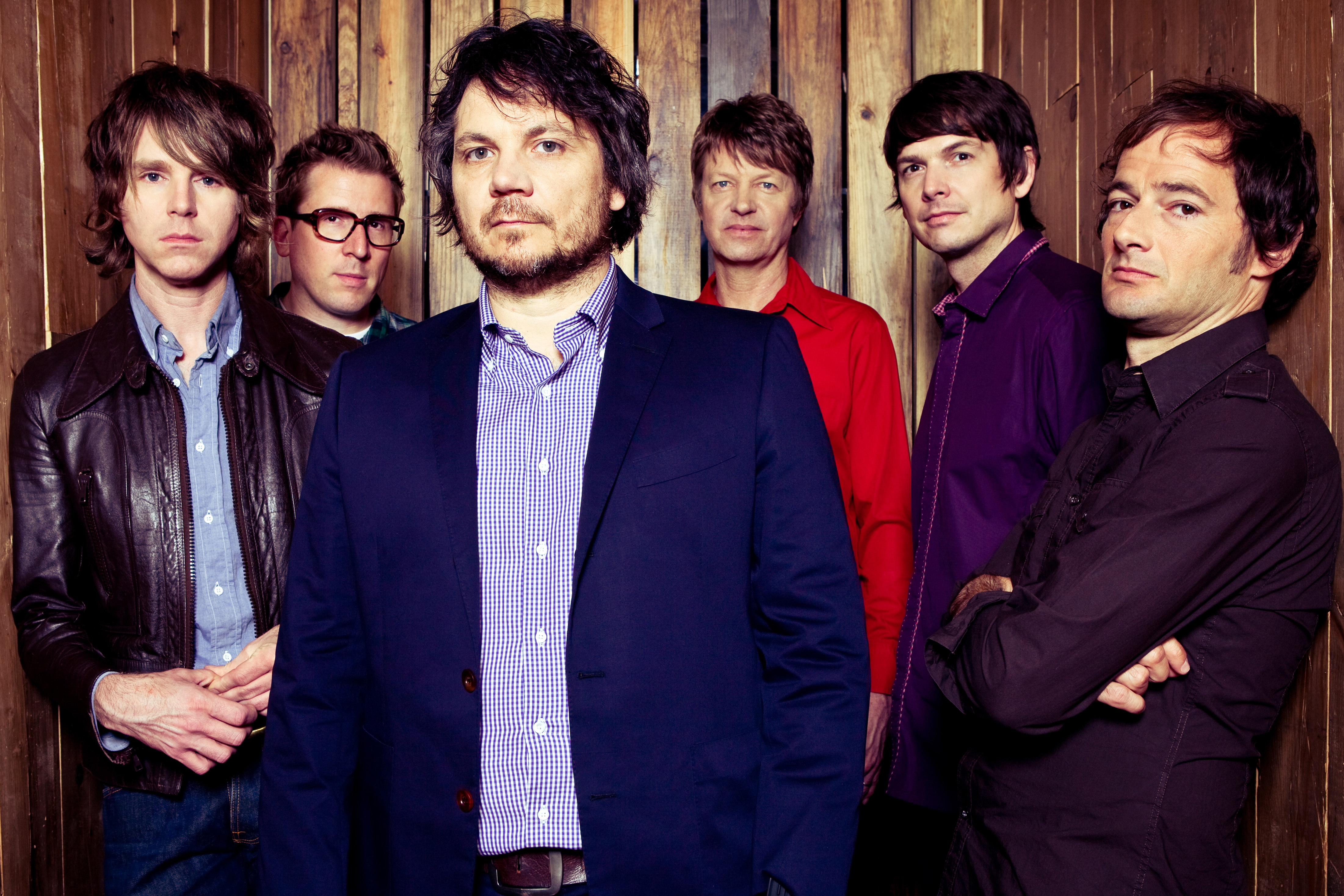
Wilco – “Star Wars”

Grade: A-

Key Tracks: “You Satellite” “Where Do I Belong”

Wilco are at an important point in their career. Like many artists before them – namely David Bowie, who they channel heavily here on their ninth album – they’re at a point where they’re growing restless again. Wilco established their original sound, as an alt-country band. And then, out of nowhere came “Yankee Hotel Foxtrot” and “A Ghost is Born,” their creative reawakening albums (although in most band trajectories, this period comes from creative woes, not accidental painkiller addictions). After Jeff Tweedy recovered, the band’s sound settled into a more mature, introspective look with the still-excellent “Sky Blue Sky.” And the two albums since then have seen the band embrace their catalog as a whole, both poking fun and honoring their creativity of the past.

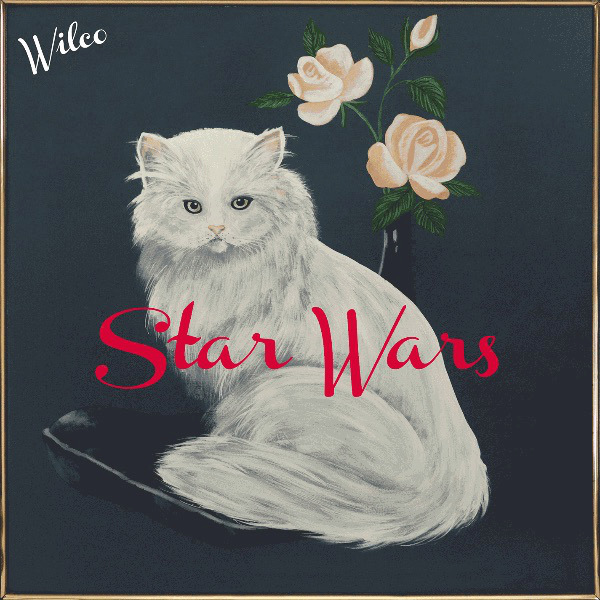
But, like Bowie did on “The Next Day,” they’re again growing restless with maturity. “Star Wars” is unlike any other Wilco album, in many ways. For on thing, it’s called “Star Wars.” Also, the cover has an adorable cat on it. It looks more like the cover for a Dusty Springfield record, not a Wilco one. And the songs are shortened, tightened and energized. There’s certainly other Wilco songs that would feel comfortable on this album – “Shot in the Arm,” “Wilco (the Song)” come to mind. But the band has created songs that don’t give themselves room to breathe. At 2:30, “Pickled Ginger” sounds just like a cut Deep Purple song with it’s fuzzed-out, grinding guitar line. Although “Star Wars” is distinctively Wilco, the songs here have traveled a long way from “Impossible Germany.” And it’s not a criticism – it’s a familiar sound, in an unfamiliar package. At 33:47, it’s the band’s shortest album by nearly ten minutes (ten minutes being two-thirds the length of their longest song). And as a band that’s stayed reliant to the album format, their decision to drop this release suddenly and for free online is growth as well.

Although the band has been playfully looking back at their earlier works in recent years, “Star Wars” marks the first time in years that they’ve actually incorporated any elements with an avant garde feel. They come mainly in the opener, “EKG,” a 1:15 chippy, dissonant intro that doesn’t serve as a standalong song, instead as a declaration of what’s to come.

Also, Jeff Tweedy as a frontman and songwriter seems to be less of a focus on this album. Something noticeable about one the album’s best songs, “You Satellite,” is that the volume of his vocals is closer to the rest of the instruments, instead of being at the forefront. And eventually, he gives way to the music entirely. Tweedy’s lyrics on this album aren’t his best (they’re a lot vaguer than past Wilco albums), but the focus is on the music and the vibe anyways. The longer they’ve been around, and especially since they’ve developed a more steady line-up, Wilco has seemed more like a full band and less like a collective.

Wilco haven’t released a mediocre album since 1999’s “Summerteeth,” but it’s been a long time since they’ve released a great one, too, and that’s just what “Star Wars” is. This is their best album since “Sky Blue Sky” in 2007 and, if you like just fun and lively Wilco, then before that. There are moments of beauty and grace on “Star Wars,” especially in affectionate closer “Magnetized.” But more often than not, those moments are often followed up by a sudden drum line, feedback or guitar melting. Just as you would expect from a band growing restless yet again.

If you like this, try: This one’s probably obvious since I mentioned it, but it’s stylistically and tonally resembling of Bowie’s “The Next Day,” if not actually all that similar.

METZ – “II”

Grade: B-

Key Tracks: “Acetate” “Kicking a Can of Worms”

METZ named this album “II” because they knew it would serve as a sequel. They came out swinging on their self-titled debut album, and fell into the rarity of an instant classic punk release. Even in a crowded genre, the album defied genre. “METZ” was like a butcher, taking a typical post-punk album and rolling it into one long strand, making incisions every few inches. Their music is extremely metrical, in a way that punk and post-punk usually prides itself on going against. “II,” unfortunately, doesn’t quite keep the energy. But it is a proper sequel.

Sequels are difficult – how much do you acknowledge the original? On the spectrum of “Godfather Part II” to “Hangover Part II,” METZ here fall somewhere around “22 Jump Street,” or “Led Zeppelin 2,” in the acknowledgement that yes, it’s more of the same, but you liked it the first time. METZ have a formula to their music that’s distinctly their own, but they’re already deviating from it.

The worst moments of “II” are the ones where METZ sound like they’re retreading themselves. The band, surprisingly, suffers from the “Give ‘Em Enough Rope” struggle of recapturing a debut album’s sheer energy. The songs presented here are sometimes more forceful than others, and sometimes more well-mixed than others. “Acetate” and “Landfill” have energy to them, while “Spit You Out” and “Nervous System” could use a little boost. And while the balance between heavy instrumentation and vocals is usually balanced, on “Wait in Line” it is too heavily in favor of the music. The lyrics throughout edge on intelligible, but “Wait in Line” is the only track where they’re too muted.

Still, the band recognizes that they can’t completely recreate their first album, and they allow themselves some flourishes. There’s something close to a solo on “Spit You Out,” and there’s a tremolo bit on “Eyes Peeled” that could be mistaken for a solo. They break out of their own system a bit, more than they allowed themselves to do on “METZ.” The vocals on “The Swimmer” are more frantic than they were before. There’s signs that the band knows this is a brand that can’t keep going forever. And at the end of it, “II” still rocks pretty hard. They might not be able to keep this formula up for long, but it’s still working in their favor.

If you like this, try: There’s a hundred different ways I can go with this one, but I’ll keep it basic. One of the best of the year – Sleater-Kinney’s “No Cities to Love

-By Andrew McNally

Waxahatchee – “Ivy Tripp”

Grade: B+

Key Tracks: “Breathless” “<”

Bzzzzzzzzzzzzz.

That’s the first sound you hear on “Breathless,” the opening track to Katie Crutchfield’s third full-length as Waxahatchee. It’s a guitar-wall, a block of fuzz of an electric guitar settling into it’s distortion. It’s similar to the guitar in 2013’s “Misery Over Dispute,” but grittier, more forceful. “Ivy Tripp,” and especially “Breathless,” follows Crutchfield’s trend of increasingly confident electric songwriting, although the electric/acoustic balance is too far in favor of the former.

People that discovered Crutchfield through her 2012 debut, “American Weekend” (like myself), probably wouldn’t have guessed that she was in a punk band prior, cult favorites P.S. Eliot (with her sister Allison – frontwoman for the equally great Swearin’). “American Weekend” was entirely acoustic and lo-fi enough that she could’ve easily opened a recording program and recorded the whole thing in a bedroom. “Cerulean Salt,” one of the best albums of 2013 (a year filled with great albums), was able to mix electric and acoustic. Songs like “Misery Over Dispute” aligned with 90’s alt-rock, with a Weezer-like warm distortion to them. And tracks like the tear-inducing closer “You’re Damaged” proved acoustic ballads could fit right in with the plugged-in songs.

“Ivy Tripp” follows more open, progressive songwriting. It’s her most comprehensive album to date, with piano and synth incorporated at times. And for part of the album, the flow is just as jarring as it was on “Salt.” Right as “Breathless” starts to become droning in it’s fuzz, it gives way to the clean, acoustic opening of “Under a Rock.” Unfortunately, the album’s middle succumbs a few times to electric tracks that don’t have enough oomph to them, and may have worked better acoustic. It picks up again for the final third – two beautiful acoustic tracks, a piano ballad, and a circular, grungy bass-heavy song close out the album.

As usual, most of the songs on “Tripp” are sung to an unknown individual. This album is different from “Weekend” and “Salt,” in that it is as focused on the music as the vocals and lyrics, so there’s less lyrical standouts. But “<” has the repeated line “You’re less than me / I am nothing.” The song is also maybe the most interesting from a musical standpoint, as a building track with discordant guitars. Elsewhere, Crutchfield makes numerous references to water and, on “Air,” sings “I left you out like a carton of milk.”

Like the lyrics, her vocals on this album aren’t as much of the focus. But they’re still commanding, naturally.  They’re the strongest on “Air,” but they’re great throughout. The strongest quality in her music has always been the fact that she sounds like she’s making these albums for her, not for an audience – not a trait that’s usually a good thing. But “Ivy Tripp,” like the albums before, sounds like a work of grievances, of things that she needs to get off her chest. And the songwriting is more expansive, more confident, and comes with the biggest sound yet, but these still sound like songs recorded for her. The audience is merely a factor in her music; she’d like us to be included, but if we’re not, it’s okay. The songs are being made anyways.

If you like this, try: Any album from one of my absolute favorite bands, Laura Stevenson & the Cans. I recommend “Sit Resist.”

No Noise – “Strange Times”

Grade: A-

Key Track: “People Downstairs”

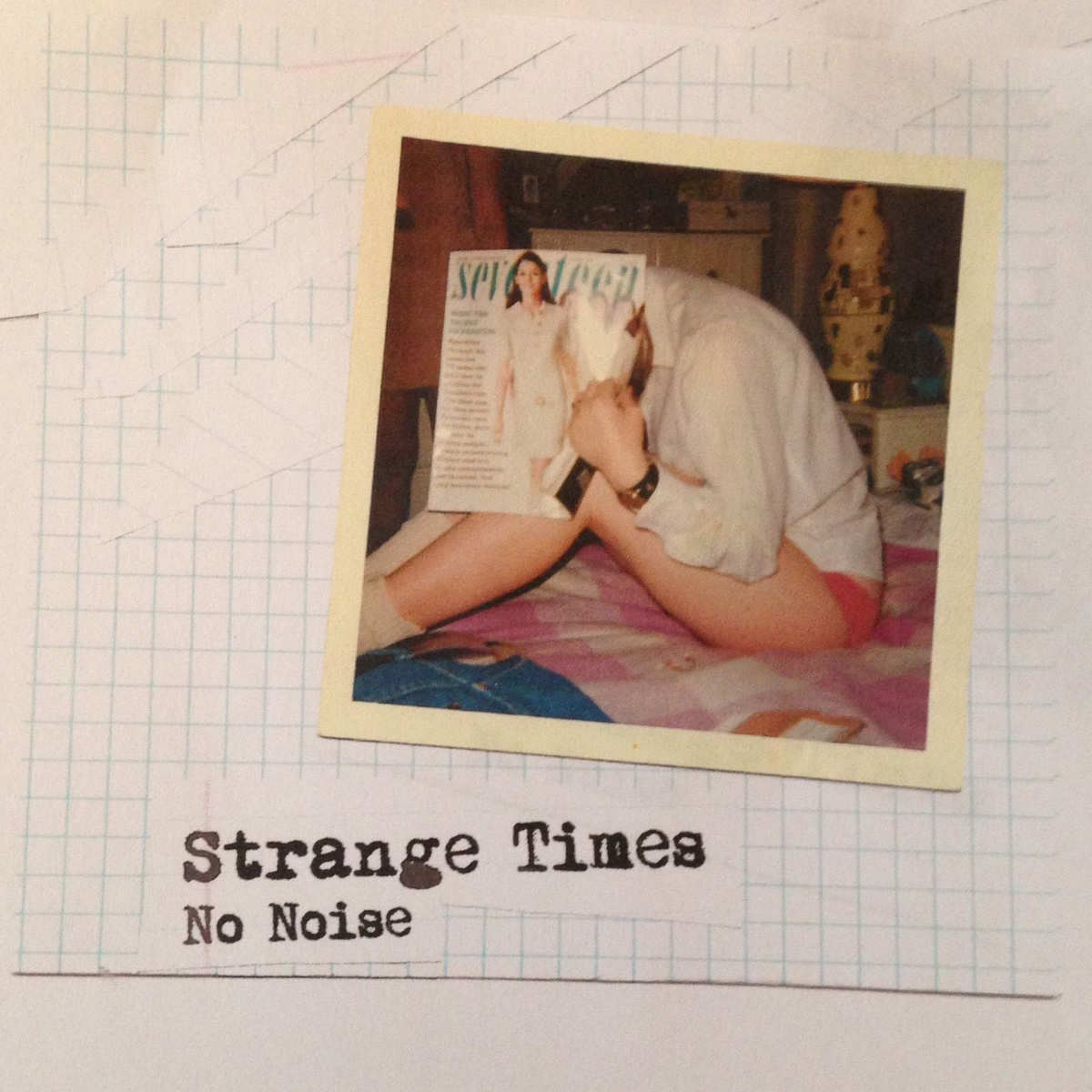
The best attribute of young rock bands is usually their youthful energy; No Noise is no different. Coming from (possibly a garage in) Montclair, New Jersey, the five-piece alt-rock band is marked by their 90’s influenced, energetic alt-fuzz.

“Strange Times” is led through battle by singer Mika, whose vocals dominate the EP. She rarely flourishes, instead letting her strong vocals fit within the music. She owns tracks like “Blisters” and “People Downstairs.” She complements the band behind her, with an energy that lifts them past similar, settled bands.

The five-piece, which also consists of Sam and Alec on guitar, Max on bass and Joe on drums, are younger than this reviewer – significantly younger. This bleeds through onto “Strange Times,” which benefits from a general aversion to metrics and structure. The band does conform to relatively standard rock structures, but they have a loose, almost practiced-sloppiness to them. Intentional or not, they’re reminiscent of early ’90’s acts like Built to Spill or ‘Blue Album’ Weezer in their rehearsed garage feel. Equal parts grunge and surfer, No Noise are able to tone it down, like on the bluesier “Play Dumb,” and are more than capable of kicking it back up, like on “People Downstairs.”

Lyrically, No Noise seem to be pretty straightforward, sticking more to a rock structure than the music might. And that’s alright, because they fit within the context of the songs, and the focus is stronger on the music and vocals anyways. And when it all comes together, it’s largely successful. “Strange Times” is an EP that demands replays, and it gets better with each spin. Their influences may lie in the greats, and they’re picking and mixing the best parts of each. No Noise have an open road ahead of them, and “Strange Times” is just a revving of the engines.

Stream the album on Spotify or on their Bandcamp page.

If you like this, try: Pavement, at their more guitar-heavy times.

-By Andrew McNally

Will Butler – “Policy”

Grade: B+

Key Tracks: “Take My Side” “What I Want”

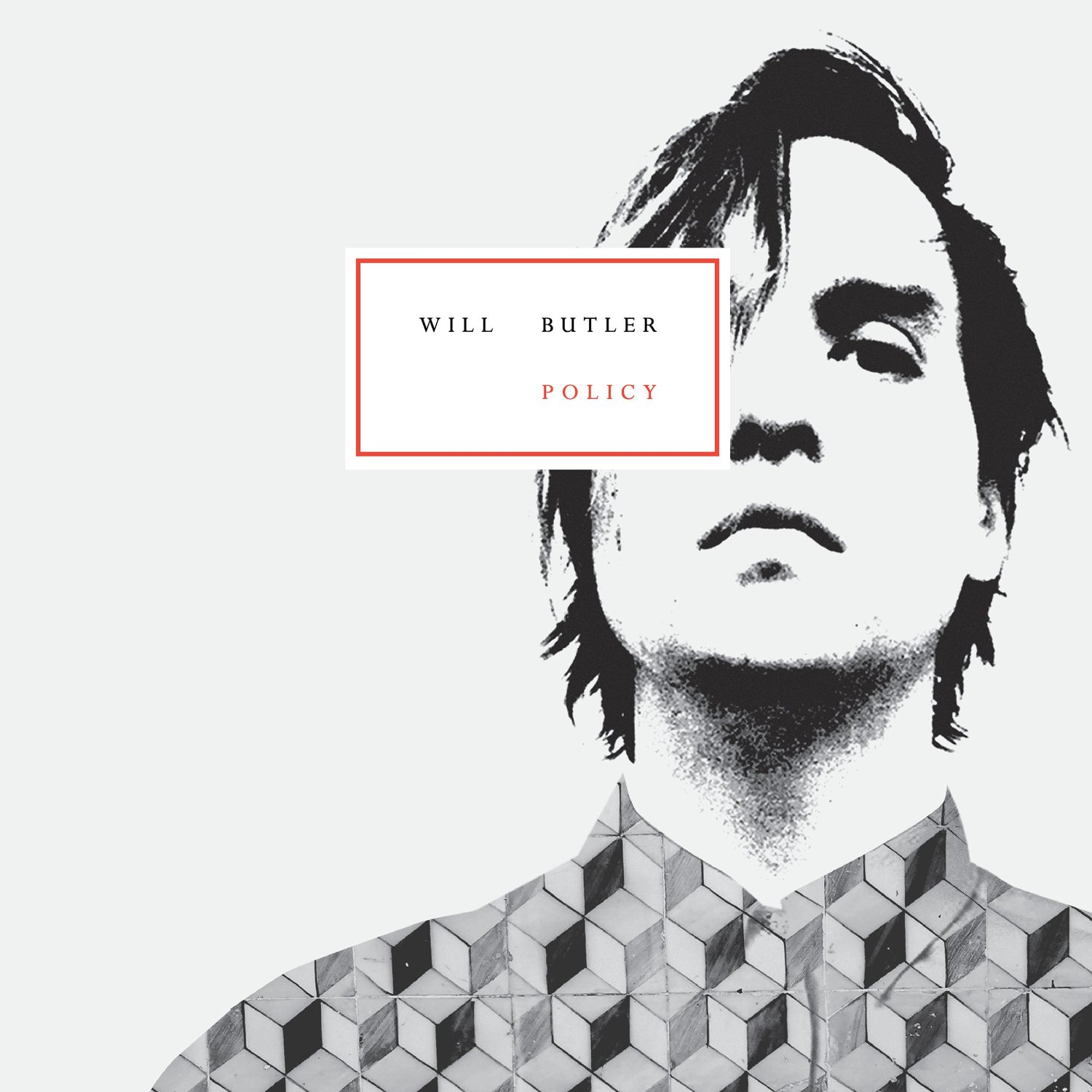
The idea of a “frontman” is one that dominated classic rock – everyone remembers Freddie Mercury, some people know Brian May’s name, not many people know Roger Taylor and John Deacon. But it’s a status that’s become outdated in the indie age, with alternative bands working more as units rather than musicians waiting for their chance to show off. Arcade Fire hasn’t melded with this change in pace. When a casual person thinks of Arcade Fire, they think of the frontcouple – Win Butler and Regine Chassagne. This is probably because Arcade Fire is huge, there’s six members (seven until recently), and everyone plays multiple instruments. So the band has an indie collective feel, like Broken Social Scene or the Polyphronic Spree. But they’re not, they’ve had a pretty core line-up since Funeral. What this has led to, in succession, is the other members besides Win and Regine trying to make their voices heard. Recently departed violinist Sarah Neufeld released a solo album in 2013, followed closely by multi-instrumentalist Richard Reed Parry. Now, Win’s brother is having his say. Will Butler, who is officially credited with playing “synthesizer, bass, backing vocals, guitar, percussion, sitar, panpipes, trombone, omnichord, glockenspiel, concertina, double bass, clarinet, gadulka and the musical saw” throughout his time in Arcade Fire, has released his first solo album.

As one of Fire’s two remaining crazy members (along with Parry), what we get from “Policy” is Butler’s contributions to Arcade Fire – one slice of the puzzle extracted, and propelled forward until it becomes its own being. “Policy” is often poppier, faster and more lively than Arcade Fire’s music. At 27 minutes, it’s a brisk outing, one that highlights the album’s quickened, but not unruly pace. A majority of the eight tracks are simple guitar-based indie, akin to the solo work of Brendan Benson. It’s a type of indie that is usually successful just because it never has to ask for any sort of originality to work. But “Policy” does still have some original things going on around it. On what’s maybe the album’s best track, “What I Want,” Butler sings wild lyrics around a vocal rhythm that keeps crescendo-ing. Remove the sweet indie sound the goofy lyrics, and it’s a noise-rock template.

“Policy” demands no comparison to Arcade Fire, in either its size or its scope, but it’s hard not to make comparisons. Will does, at times, sound like his brother. And occasionally the rhythms either cool down enough to resemble the band, or they build enough complexity to sound denser. But the album’s biggest difference might be in the lyrics. Butler’s lyrics aren’t at all similar to Arcade Fire’s cold, emotional odes. They wouldn’t fit on an album that leans more to enjoyable than painful. Instead Butler sings lines like “If I could fly / I’d beat the shit out of some birds” on opener “Take my Side,” and on “What I Want,” singing “I know a great recipe for pony macaroni.”

The album’s two outliers are the synth-y and sax-y second track, “Anna,” which almost feels like a red herring. It acts like it’s going to set a tone for the rest of the album, but Butler instead treats it like a song he’s doing for himself to get it out of the way. The biggest outlier is “Sing To Me,” a piano ballad. It’s an effective, low-key piece, and it’s got a strong, haunting tone to it, but it doesn’t really fit on “Policy.” The audience is never really set up for a ballad so soon – even as the penultimate track, it still comes after only 21 minutes.

Still, there are no bad moments on “Policy,” and even though it isn’t entirely effective as an original work and Butler doesn’t quite possess the independent power of being a solo musician, it’s a fun listen throughout. It takes a stance alongside but completely separate from Arcade Fire, and helps to signify Butler’s important position in the group.

If you like this, try: Brendan Benson’s 2012 album “What Kind of World.”

-By Andrew McNally

MisterWives – “Our Own House”

Grade: A-

Key Tracks: “Reflections,” “Coffins,” “No Need For Dreaming”

Let’s get this out of the way: there’s nothing inherently special about MisterWives. They’re not one of the more unique indie bands you’re going to hear. But, it’s their sweetness and earnest desire to just make music and bank off each other that makes them great. They’ve only existed for a short while, but on their full-length debut, they sound like a full-fledged band that’s had years of practice. The band’s pretty, vocal-heavy folk-indie is strong at every point.

I was lucky enough to catch MisterWives live at what had to have been one of their earliest shows. They were opening for another great band called Pyyramids in Manhattan, and I remember seeing enough of them to think that they seemed like a down-to-Earth, groovy group that was playing what they wanted to. On “Our Own House,” they’ve expanded their sound, but they haven’t lost much of the fun qualities that they had in that tiny Manhattan bar.

Three of the first five songs on this album have horns. Openers “Our Own House” and “Not Your Way,” and fifth track “Best I Can Do.” It’s worth noting, because the band has an interesting strategy, where they come out with the bang of some extra musicians, before settling into who they are themselves. They bust out with a groove, with a funky grip that hooks you in for a few tracks before you things have calmed and you’re listening to just a few people.

The best tracks on the album are the ones where MisterWives work as a collective – some songs are too heavy on vocals, but some are collective efforts. Two of the album’s better songs, “No Need For Dreaming,” and “Imagination Infatuation,” are collaborative efforts. “Hurricane” is even more guitar-heavy. But even on the tracks on that aren’t as cohesive, Mandy Lee Duffy’s vocals are strong throughout. She’s the anchor of the band; she formed it, she leads it, and her sweet but booming voice propels the band forward. The band’s best song, “Reflections,” is centered almost entirely around her vocals.

“Reflections” is one of five songs on the album that already existed, on last year’s “Reflections” EP. But it’s okay, because they’re worked into the twining of the album organically. They’re just reprints of the older versions, but they fit fine within the album’s frame.

On first listen, MisterWives might seem like another folksy-indie throwaway band, but there’s a lot of substance to their music. It’s grasping, and catchy, and a ton of fun. There isn’t a dull moment on their debut. What MisterWives really is, is five talented musicians sitting in a studio, simply creating whatever they want. And as far as the (pseudo-)indie-folk genre goes, MisterWives are already one of the better bands in the game.

if you like this, try: Company of Thieves. Genevieve Schatz’s voice was sweet but dominant, like Duffy’s, and the band also had a collaborative indie sound. “Oscar Wilde” is one of my permanent favorite songs.

-Andrew McNally

Crying – “Get Olde/Second Wind”

Grade: B

Key Tracks: “Bloom,” “Bodega Run”

To people who have never heard Crying, this double EP is something really new. To fans, it’s very literally not new. The first half is just a reprint of last year’s “Get Olde” EP, combined with a new “Second Wind” EP. So it can’t technically be labeled as an album, and the combination does not answer the listener’s question of why this was done in the first place. Still, “Get Olde” is an excellent EP, and their blend of emo, indie and chiptune is incredibly unique.

What separates Crying from Run For Cover Records labelmates like, say, Pity Sex or Tiger’s Jaw is definitely, unequivocally the use of the digital, video-game-y sounds. It’s a primary focus of their music – the main instrument on every track. Sometimes it’s shrill, sometimes it’s melodic, other times it doesn’t seem to fit and you wonder if you’re going to get a break from it. Luckily, Crying take it upon themselves to differentiate every track, so their unique sound doesn’t become an automatic staple after the first go-around.

It’s easy to describe Crying as a chiptune band, one instrument is literally a Game Boy. But where other bands have experimented with this before, they’ve never roped in such unexpected lyrics. Similar bands often take goofy tones, mimicking the video game world they’re trying to engross. But Crying sing on a real plane – real people in a real, crushing world. “Vacation” namechecks Costco and flip phones, proving they’re living in a globalized society. And frequent references to bodegas cement the band as New York apartment-dwellers, not suburban basement-surviving nerds. It’s a distinction, because Crying’s music has a dense aura to it.

Both EP’s have their up and down moments. They both end on slow tracks (“ES” and “Close,” respectively), and neither really works that well. But both EP’s have honest and devastating lyrics, often delivered in Elaiza’s exasperated vocals. And while “Get Olde” stays right by the Boy’s side, “Second Wind” lets up some room for some drum (“Easy Flight”) and some guitar moments (“Batang Killjoy”). The second side is more varied and denser than “Get Olde,” although the band is more consistent in the release’s first half. I’ve been on to Crying for a while now; their first full-lengthed release is an extremely interesting listen. It isn’t perfect, but it’s still a fun, desperate mess, and it’s a promising release for the future.

-By Andrew McNally

Foxygen – “…And Star Power”

Grade: B

Key Tracks: “How Can You Really” “Cosmic Vibrations” “Can’t Contextualize My Mind”

All day I’ve been trying to come up with outdated words to describe this album. Rad? Killer? Kickin’? Foxygen are a classic rock band for the digital age. They always have been. But their new double album, “…And Star Power,” is so classic rock inspired that it explores it as a concept. The album is split into five parts on four sides, all of which represent some faction of a standard classic rock album. And although at 82+ minutes, it’s way, way too long, it provides for an interesting listen as a 24 track album where each song gets crazier than the last.

Side One of this album is split into two parts – the first half of a classic rock album, with the radio hits, and the second half, where only the band’s real fans keep listening. What this means for Foxygen is a start to a lengthy album with a few midtempo, standard-ish songs. It’s a risky move, trusting your fans to keep listening even though the opener is shaky. But it does provide a few great songs – “How Can You Really” is the most Foxygen-y song ever produced, a song that sounds just like any classic rock standard, except for it’s indescribable sloppiness. It and “Cosmic Vibrations” have provided two singles for Foxygen, on an album that’s otherwise devoid. Part Two of the side is one suite – the four-part Star Power Suite. The four songs, including an opening overture, are all speedy garage-rock bruisers that are a lot of fun. Only one of them stretches over three minutes, so they don’t overstay their welcome.

Side Two is subtitled “The Paranoid Side,” and it’s easily the weakest side of the album. The loose concept of this section is songs that are more psychedelic and free than standard rock settings. “I Don’t Have Anything/The Gate” and “666” are interesting songs, but it’s the longest section from a track number standpoint, and it’s got some of the most forgettable songs. “Flowers” and “Cannibal Holocaust” might sound better on a shorter album, but on one that’s already overly bloated, they just take up time.

Side Three, or Scream: Journey Through Hell takes a sudden detour into songs classic rock bands wish they could’ve pulled off, but couldn’t have at the time. The section is kicked off by the nearly seven minute “Cold Winter/Freedom,” which never has a discernible rhythm but some haunting tempo changes. The section is marked by chaos – screaming, hyper rhythms and drastic volume increases. “Can’t Contextualize My Mind” sounds exactly a Stones song left on the floor because it broke an album’s flow. “Brooklyn Police Station” “Freedom II” and “Talk” are all equally intense, hitting chaotic levels even for Foxygen. The few lyrics the songs have are often unintelligible. It’s jarring and off-putting at first, but they’re tracks that demand a few listens, and the listener is drawn back to them almost immediately.

The final side is just two tracks, sweeter outros which don’t exactly fit, given the predecessors, but they’re decent enough as is. “Everyone Needs Love” is a sweet, lengthy song, and “Hang” is a calmed and fitting finale. Their placement doesn’t really work but there isn’t much to comment on them.

“…And Star Power” sounds like their previous album, “We Are the 21st Century Ambassadors of Peace & Magic” on an immediate level – it’s classic rock inspired lunacy, with brilliant flow, quick switches between melodies and chaos, and a permanent garage feel. But it’s a very different album. (Full disclosure: “21st Century” is one of my two or three favorite albums, so take any analysis with a few grains of salt). “21st Century” is only 36 minutes long, nearly a third the length and fifteen songs fewer. And where “21st Century” prouds itself on dense, bizarre and witty lyrics (“On Blue Mountain/God will save you/Put the pieces back together” shows up in at five of the nine songs), this album centers itself on more conventional lyrics, instead aimed at the flow and the grandiose concept. Much of “…And Star Power”‘s rough transitions, competing ideas, and sheer length come from the band’s inner-fighting, well-documented since their break early last year. This album actually serves to clarify that things aren’t as bad as they seemed to us, but the output still goes to show some issues.

Foxygen have always been a high-concept band. Don’t forget, their first album was a 30 track space opera. So the concept, on the whole, works well on “…And Star Power.” They’re a classic rock band incarnate, evident in Johnathan Rado’s utter devotion to singing like Lou Reed and Mick Jagger. The album’s only fault is that it’s just long – so, so long. Twenty minutes could probably be chopped off and it would have the same effect. On top of multiple songs in each section, there’s interludes that just take up more time. But still, Foxygen are cool as hell. There’s a reason they were able to get members of the Flaming Lips, White Fence and Of Montreal to guest on the album. “…And Star Power” is the album that MGMT wishes they could make – expansive, ambitious not to but past a fault, flowing but inconsistent and downright bonkers. If you have 82 minutes to spare, and you’re into indie-garage bands taking pages from psychedelic classic rock, then “…And Star Power” is by all means worth a listen.

If you like this, try: This one’s easy. Jordaan Mason & Horse Museum’s 2009 album “divorce lawyers i shaved my head,” a concept album about a failed marriage between two people confused about their sexual identities. Each song escalates in it’s disturbing and bizarre qualities, but does so at a slow pace so the listener doesn’t pick up on it at first. It’s a confounding work. Mason does his best Jeff Mangum impression throughout.

-By Andrew McNally

Blonde Redhead – “Barragan”

Grade: C-

Key Tracks: “Dripping” “Defeatist Anthem (Harry and I)”

The first song on “Barragan,” the title track, is a breezy intro. It has a little acoustic guitar, and nature-y sounds of birds and wind; very calming. ‘Surprising’ might be another word to use. Blonde Redhead set up to change their image on “Barragan,” delivering more of a typical indie sound then their usual convoluted noise-rock inspired alternative. The result isn’t great. The album is left feeling largely empty, pointless and phoned in.

The album still has it’s moments. There are two stand out songs – the catchy and electro-brooding of “Dripping” is more akin to their better works, and the multi-chaptered story “Defeatist Anthem (Harry and I)” is a fulfilling listen. The latter is written and performed as a few smaller songs, each complementing a larger work. These two tracks still show a hint at an enthusiasm that isn’t really present on the rest of the album. The album’s production is particularly crisp, which does the best it can to benefit the minimalist, soft sound. Frequent use of calming sound effects – birds, typewriters, wind – adds to the album’s cooling sound, and the production enhances it.

But rambling about the production for the positives paragraph isn’t a good sign. There are some interesting songs on the album, but there are some that just feel lifeless. “Penultimo,” which is – you guessed it – the second to last song, is forgettably dull. The band’s problem isn’t that they aren’t inspired – choosing this point in their career to overhaul their sound is evident of that. Their problem rests in not being able to properly transcribe their desire to rework themselves. A majority of the songs on “Barragan” sound phoned in, like they’re changing their image for no real purpose. A band like Blonde Redhead shouldn’t need to feed into the already overbloated indie scene, but they are. The needlessly long “Mind to Be Had” (at 8:47) feels directly reminiscent of the needlessly long Death Cab song “I Will Possess Your Heart” (at 8:26), in that both feature a 3+ minute intro that’s painfully repetitive and time-killing.

It, like many other songs on “Barragan” just feels it’s missing something. There’s too many underhand pitches with no direction and a thin sound. “Barragan” feels like a map that the mapmaker didn’t bother to put any names on. The album is easy to absorb, with it’s soft sounds, but it’s nothing more, and that’s not the type of band Blonde Redhead has been. So kudos to a band always trying to keep things unique, but it just didn’t work this time. “Barragan” has no oomph, no back to it, and it’s pretty boring because of it.

If you like this, try: For a much better representation of a 90’s noise-rock-inspired group unexpectedly changing their output, try Sonic Youth’s 2006 “Rather Ripped.”

-By Andrew McNally

The Front Bottoms – “Rose”


Grade: A-

Key Tracks: “12 Feet Deep” “Jim Bogart”

Leave it to a band like the Front Bottoms to put a reviewer in a tough spot on whether to call these songs “new” or not. Because these songs are freshly recorded. But they certainly aren’t new. The first five tracks that make up “Rose” – “Flying Model Rockets,” “Lipstick Covered Magnet,” “12 Feet Deep,” “Jim Bogart,” and “Be Nice to Me” – are re-recordings of older songs, with “Awkward Conversations” the only freshly recorded one. The Front Bottoms released three albums before their perfect 2011 ‘debut’ self-titled, “Brothers Can’t Be Friends,” “I Hate My Friends” and “My Grandma vs. Pneumonia,” respectively. But all three are only available in the deepest corners of the internet, so buried that even some of their more adamant friends aren’t even aware of them. They’ve played these songs live, though, and they’ve become staples, so they’re getting a proper release in the first of a set of EP’s named after the duo’s grandmothers.

The song with the most remarkable difference is “12 Feet Deep,” always one of my personal favorite Front Bottoms songs. “Because you are water twelve feet deep / and I am boots made of concrete” proved in c. 2010 to be an emotionally impacting line, reflecting a relationship that isn’t healthy but still committed. But in 2014, a more steady drumline and more inspired vocals transform it into a more optimistic and hopeful relationship, without altering any of the words. All throughout the EP, there’s lyrics about school and parents, which still sound fresh in Brian Sella’s non-aging voice. The poetry of early Front Bottoms is more natural; less forced than some of the corny couplets on last year’s “Talon of the Hawk.”

Musically, the band has it more together now than they did then. That’s another added bonus of re-recording – the only real fault of their early albums is some messy music, when they were still learning what they were doing. It’s more refined on “Rose,” though still a little off the rails, of course. “Jim Bogart” ditches the inside-a-box production, and adds trumpet and and a slick little keyboard rhythm to build up to the drum entrance. In one way, the songs feel stripped down on this EP – more confined and controlled, sometimes fewer instruments, and with a better production. But in another way, they feel even more expanded and in your face than they did before – the benefit of a band that’s since settled into a signature sound.

It was a smart idea for the band to release these older songs, revamped. Relative fame, a constant touring schedule (and a namedrop alongside the National and Daft Punk in this NYT article) have had the unfortunate drawback of their youthful, innocently downtrodden lyrics sounding less believable. A decidedly terrible full-length didn’t help that, either. So although the band is reaching a wider and wider audience, their music is sounding less personable and less impacting. These six songs show how youthful and energetic the Front Bottoms really are, and by re-recording them, they’ve proven that they haven’t really changed at all. It’s sad, it’s fun, it’s poetic and easy to relate to, so it’s all you’ve come to expect from them. The only criticism? It doesn’t include “The Cops.” And that’s really a personal criticism. Maybe on a future EP.

-By Andrew McNally