The Lonely Island – “The Wack Album”

Photo Credit: Pitchfork

Photo Credit: Pitchfork

Grade: B

Key Tracks: “I F****d My Aunt,” “The Compliments”

“The Wack Album” is more of an amalgamate of ideas. The band throws a lot of ideas at the wall,and as soon as one starts to get stale, they move on to the next. Not everything works, but some stick very well. Only two tracks from this album were viral sensations from “SNL,” a show which none of the three members are a part of anymore. This has allowed them to expand into some new territories, with mixed results.

Comedy troupes that spoof hip-hop are certainly not a new thing. It is a very tired route for comedians to take, thanks to the Internet. The Lonely Island were by no means one of the first groups to do it, but they were among the first of the Internet era (remember “Lazy Sunday”? The song aired on “SNL” eight years ago). The Lonely Island have come under the ironic problem of having to sidestep the generic hip-hop parodies that they helped spawn. “The Wack Album,” their third full-length, has its hits and misses. The guest list on the album is as expansive as anyone could possible ask for: Lady Gaga, Justin Timberlake, the return of T-Pain, Kendrick Lamar, Adam Levine, Kristin Wiig and Hugh Jackman, among others. The guest stars, all having fun in the studio, help to add to the album’s theme of spoofing the very foundations of hip-hop.

The best bits on the album are the ones that have the simplest concepts. “The Compliments” is the three band members – Akiva Schaffer, Andy Samberg and Jorma Taccone – simply complimenting each other, making fun of insult songs. The song features the best guest spot, from rapper Too $hort, who has no idea what he is doing there. “Meet the Crew” is a parody of rappers constantly saying their own names in songs by being a band introduction with many, crazy personalities (ending with Rod Stewart, played by Samberg). “I F****d My Aunt” has the band members (and T-Pain) recounting childhood memories and following them up with “and [x] years later I f****d my aunt.” It’s an incredibly simple concept with no context, and works well because of it. The album’s best tracks all share this.

The more inventive and inspired bits actually do not work as well here. “YOLO” and “3-Way” are well thought-out, but regular “SNL” viewers are already familiar with those two tracks. “I Run NY” features Samberg rapping from the perspective of NYC mayor Michael Bloomberg. The song’s inspiration was, inventively so, to spoof all NYC rappers that claim to own the city. But the song falls flat as it quickly becomes a bit about Bloomberg saying profane things he would never say normally. “I Don’t Give a Honk” and “Hugs” cancel each out, as both songs are about replacing the F-word with a safer term, neither of which are very funny. Finally, “Diaper Money” is rapping from the perspective of a married man, but a very profane one, and it all doesn’t really make sense. The Lonely Island have never been ones to stray away from crude and bodily humor (“Dick In a Box” won them an Emmy), which is why the more inspired ideas end up missing. The characters themselves tend not to make sense. “The Wack Album” is at it’s best when the trio, guests or not, are stripped down and working solely with funny concepts.

If You like this, try: “The Sounds of Science,” the Beastie Boys box set that contains some of their lesser-known funny songs. Another white trio from NY that revolutionized comedy-rap.

-By Andrew McNally

Black Sabbath – “13”

Photo Credit: Rolling Stone

Photo Credit: Rolling Stone

Grade: B+

Key Tracks: “God is Dead?” “Methademic” (Bonus Track)

“13” is refreshing, because it proves that bands long past their prime can still make quality records. I was losing faith in this after Megadeth’s awful Collider came out just last week.

“13″ is the first Black Sabbath album to feature bassist Geezer Butler in nineteen years, and singer Ozzy Osbourne in thirty-five. Drummer Bill Ward, originally part of the recent reunion, is not on the album because of a contract dispute, and has been replaced with Brad Wilk (Rage Against the Machine). Even with positive early reviews and three-quarters of a reunion, fans are most likely skeptical about a new album. Butler, Osbourne and guitarist Tony Iommi are 63, 64 and 65, respectively. But Sabbath brought in legendary producer Rick Rubin, who has done wonders for everyone from System of a Down to Johnny Cash. What resulted from their sessions is an album much more similar to classic, early Sabbath and not the tepid albums that came later.

Black Sabbath have often been misunderstood as a band that sang/sings exclusively about doom and gloom, life and death, heaven and hell (which is the name of one of their more famous songs). But closer listens to their early albums show that they expanded far out beyond those themes, lyrically. Yes, they were embraced and continue to be (like 13′s “God Is Dead?” and “Pariah”). But the band has always sung about more than that, evident in songs like the poorly-titled “Methademic,” that deals with years of drug problems. “13″ has some of the best lyrics in Sabbath’s history.

The biggest surprise of the album might be the quality of Ozzy’s voice. If you’re reading this, then you can probably imagine what Ozzy’s talking voice sounded like on MTV in 2004, and maybe even what it has sounded like on his more recent albums. But those albums were Rubin-less, and Rick Rubin did his best to bring the band back to it’s seventies roots. Iommi’s riffs are there, Butler’s bass is booming, Ozzy’s voice fits nicely, and there is a constant impending sense of doom. It has all the key elements of early works like “Paranoid” and their self-titled debut. Something is lacking, however. It seems like it is a mix of energy and volume. It is certainly loud, but it feels like it should be more so, and with a little more urgency. Still, the album comes as a nice surprise and just goes to show that when the line-up is back, they haven’t lost a thing.

If you like this, try: If you’re exploring this album as a classic rock fan, then Bob Dylan’s “Tempest,” another great album coming out late in the game. If you’re exploring this as a metal fan, then System of a Down’s “Toxicity,” to see both religious lyrics brought in alongside silly ones, and the magic of Rick Rubin.

-By Andrew McNally

Surfer Blood – “Pythons”

Photo Credit: Rolling Stone

Photo Credit: Rolling Stone

Grade: B-

Key Tracks: “I Was Wrong,” “Slow Six”

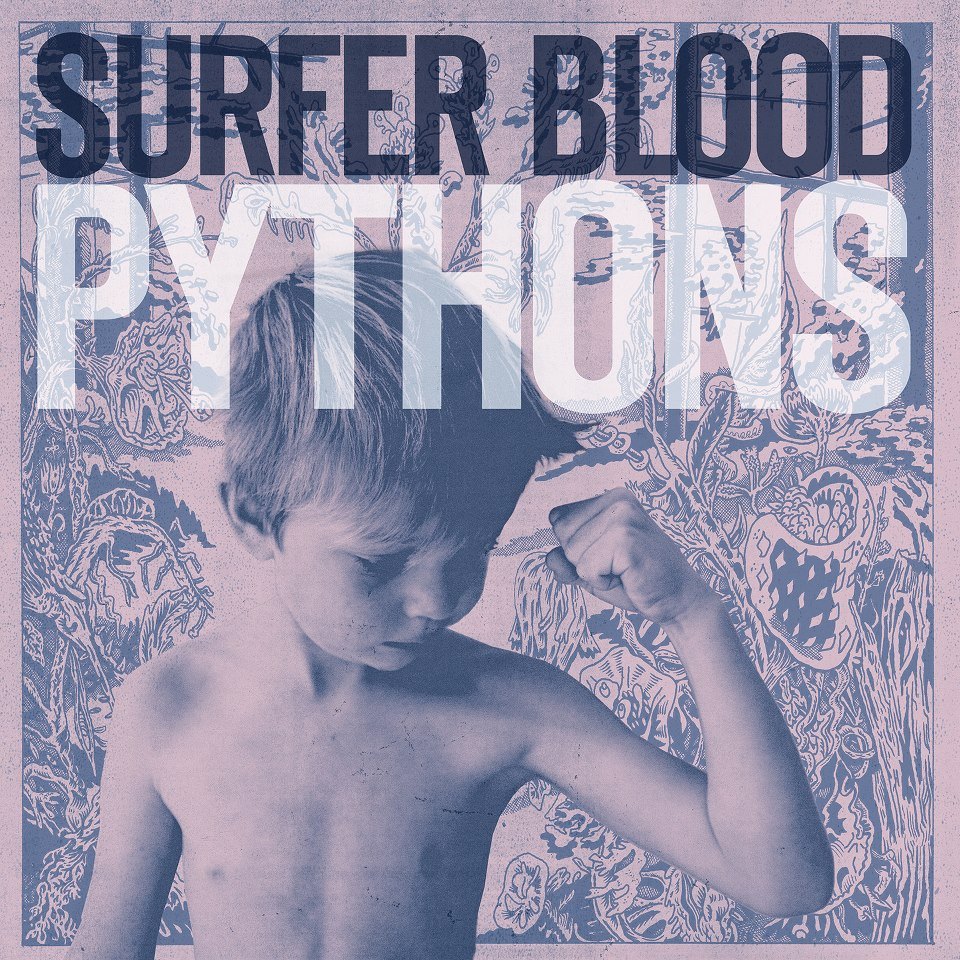
Surfer Blood’s John Paul Pitts sure is sorry. The band’s second full-length, “Pythons” acts as one long apology. The line ‘apology, meet apology’ shows up on a track that is not “I Was Wrong.” The whole album is pretty much apologies or Pitts singing about putting himself in uncomfortable situations because he feels like he deserves it. Why? Domestic abuse charges from August 2012. So Pitts has every right to be apologizing in his music.

The music of the album presents a challenge, because Surfer Blood’s sound has not really ever been one to match up with the uncomfortable lyrics presented on “Pythons.” Many tracks just follow basic, poppy melodies with sometime group choruses. Occasionally, Pitts will fall into screams in the chorus, possibly trying to emphasize the internal pain he’s feeling. But they usually do not fit within the context of the song. The only song that really grabs is “Slow Six,” the penultimate track, one heavier than anything presented before it. The other songs all feel too easy, and although they are catchy, they do not work alongside the apologetic lyrics.

Taken for what it is without any knowledge of the album’s inspiration, “Pythons” is an enjoyable and catchy record. It isn’t great but it’s worth a listen for fans of general pop-punk and surf rock. The B- is a response to this listening. The album takes on a new reflection when the listener knows why Pitts is so apologetic. Pitts might really be feeling the internal pain he sings and screams about, but with poppy and largely uninspired music, there’s no way to believe it. Which, ultimately, gives us no reason to care. I try my hardest to separate albums from the personalities that make them, but when an album like “Pythons” is so reflective of it’s maker, and an unconvincing one, I can’t help but to discredit it.

If you like this, try: “Crazy For You,” Best Coast’s debut. Not a fan of the band, personally, but they’re a similar sound.

-By Andrew McNally

Disclosure – “Settle”

Photo Credit: Wikipedia

Photo Credit: Wikipedia

Grade: B+

Key Tracks: “When A Fire Starts to Burn,” “F For You”

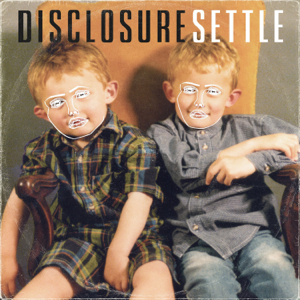
A debut from a European dance band coming only weeks after Daft Punk’s “Random Access Memories” burned up the charts might not seem like a good decision. It worked. Perhaps it was unintentional, but Disclosure might be on to something. The British duo – two brothers of ages 21 and 18 – have perfected an album harking back to dance music of the 90’s, not unlike the aforementioned French duo. Americanized house and dance music (the abrasively loud forms of EDM and dubstep I embraced in college) is still very popular, but has a definite expiration date, and that date might be coming soon. As “Get Lucky” climbs the charts, Boards of Canada release a comeback and Disclosure release a well-anticipated debut on the same day, all signaling a potential return to more controlled forms of dance music.

There is really nothing new on this record. It greatly succeeds, however, as an exploration and combination of many different forms of dance and house music. The combined opening tracks of “Intro” and “When A Fire Starts to Burn” present an almost Prodigy-type of heavy, hip-hop influenced type of electronica. This doesn’t stick around, as the album shifts through various volumes and tempos, and with a whole and welcomed line-up of up-and-coming British singers.

“Settle” is, at its core, exactly what it wants to be, and that is an effective dance record. It even flows well as an album, something nearly every dance band seems to struggle with. It might be very long, but if it’s put on at a party, that will no longer be a complaint. The beats are cooled and controlled, with little invention going on. In a world now filled with Skrillexs and Diplos, that might be just what we need.

-By Andrew McNally

The Ducky Boys – “Dead End Streets”

Photo Credit: Ducky Boys bandcamp page

Photo Credit: Ducky Boys bandcamp page

Grade: B

Key Tracks: “Up, Down & Wrong,” “I Was Intoxicated”

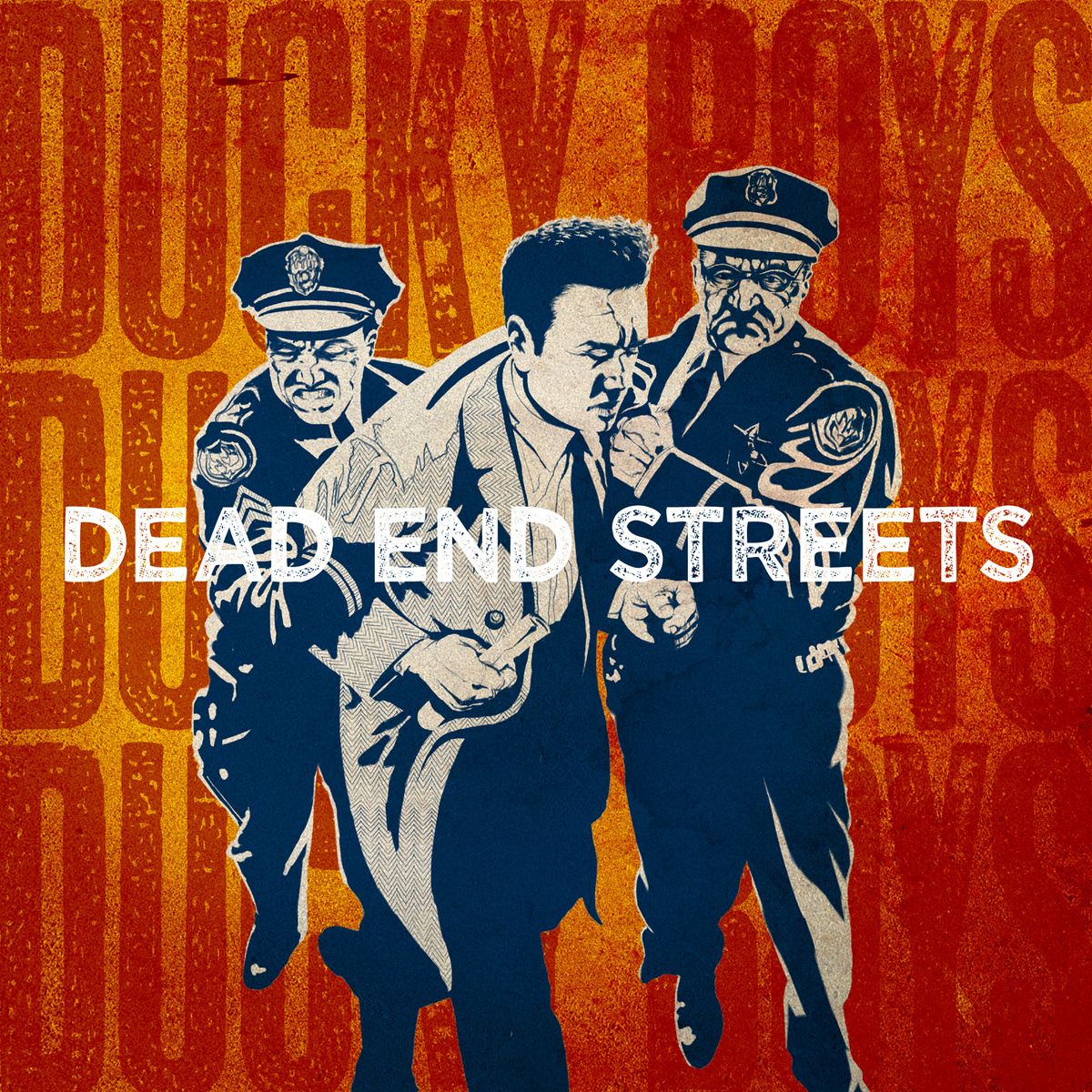
Boston street-punk legends the Ducky Boys returned from a second hiatus and even more line-up changes in 2011, and their second album since is a solid effort. It isn’t a goldmine, but it holds up remarkably well amongst the albums of their other aging contemporaries. The Ducky Boys have stuck to the same successful status quo, and it produces another good album. Lyrically, the album is kind of all over the place, in a good way. There is some emotional damage coming through in some lyrics, as the Ducky Boys have always defied some punk stereotypes and been ones to open up and explore themselves. There is, of course, typical street-punk songs too. Songs like the title track and the opener “You Don’t Wanna Know Me” exemplify the 90’s Boston street-punk scene that brought them thus far.

Musically, most tracks follow the simple punk formula, which is completely expected. In fact, it is welcoming to embrace, as most punk bands that survive the same length of time that the Ducky Boys have often open to slower and catchier music without any reason. The Ducky Boys have reason when they do, as they occasionally embrace acoustic, bluesy or reggae-inspired rhythms throughout the album, which provide some nice breaks in between stacks of punk songs. When the Boys switch up their influences, they work, because they have their reasoning to back it.

“Dead End Streets,” like many other punk albums, does begin to become tedious by the end, as the band’s better ideas are exhausted earlier in the album. Punk albums tend to have a way of making 34 minutes feel longer. “Dead End Streets” is still a strong record though. It is not completely original, and it does not stand up against classic punk. It does not try to be anything more than what it is, though, and it excels as an enjoyable and listenable street-punk record from some legends.

If you like this, try: “State of Grace” by Street Dogs, 2008.

-By Andrew McNally

Portugal. The Man: “Evil Friends”

Photo Credit: Under the Gun Review

Photo Credit: Under the Gun Review

Grade: B+

Key Tracks: “Modern Jesus,” “Holy Roller”

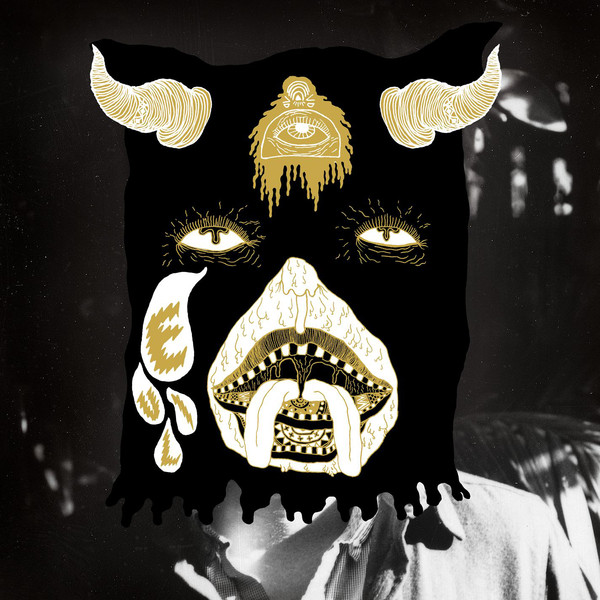
Portugal. The Man have somehow found their way to prevalence in the indie world. They’re not the most interesting band, but they are constantly on tour and they try (and usually succeed) to record an album every year. Their consistency might be what has helped to make them a name over the past few years. Whatever it may be, they picked the right time to make a record like “Evil Friends.” Famous producer Danger Mouse was brought in to diversify the band’s sound, and although his mark might be left a little too hard, the band was left with their best album yet.

Portugal. The Man have always been an enjoyable band, but it took many albums for them to start to hit outside their comfort zone. True, their comfort zone has switched from garage rock to more of a sweeter, indie-pop sound. The transition has been slow, though, and this album expands their sound while maintaining their musical innocence. Every track is a fun and bouncy dose of indie-pop, all radio-ready but different from the previous song. Danger Mouse helped the band expand their sound to every limitation of alt-pop, with the best possible results.

Interestingly, the lyrics consistently haunt at things deeper. They don’t always get there, but with song titles like “Creep in a T-Shirt,” “Evil Friends,” and “Modern Jesus,” some darker themes are clearly being presented. Religion and nasty break-ups are emotionally worked through, sometimes cleanly, sometimes not. The lyrics do not necessarily fit the music, but the quality of the package as a whole makes it possible to overlook this. Overall, it is not the most unforgettable album, or the most original. If some great indie-pop from a respected band is what you’re looking for, though, “Evil Friends” is the right direction to turn in.

If you like this, try: “Dear Miss Lonelyhearts” by Cold War Kids, 2013.

-By Andrew McNally

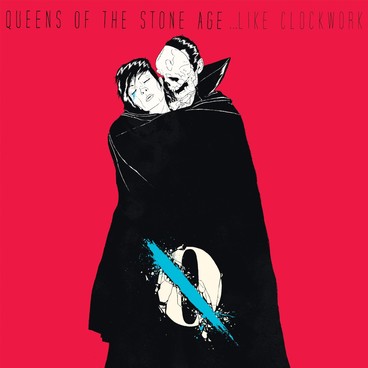
Queens of the Stone Age – “…Like Clockwork”

Photo Credit: Rolling Stone

Photo Credit: Rolling Stone

Grade: B

Key Tracks: “I Sat By the Ocean,” “Fairweather Friends”

“…Like Clockwork,” the long-teased and longer awaited new album from hard rock heroes Queens of the Stone Age, should be listened to with “Songs For the Dead” in mind, their behemoth, Grammy-winning album from 2002. “…Like Clockwork” is similar to “Songs” in three ways. The first is the re-introduction of former contributors Dave Grohl and Mark Lanegan, as well as ousted bassist and founding member Nick Oliveri (who only shows up in background vocals on two songs, but it is still a re-introduction). The other two similarities are thematic. “Songs” was a concept album, imagining a radio playing on a drive in southwestern America, and featured many Christian references. “Clockwork,” too, seems to feature a number of Christian references, if nothing more than metaphors. (Compare 2002′s “God Is in the Radio” to 2013′s “My God is the Sun”) Casual listeners might equate Josh Homme’s lyrics to those of the religiously-tortured soul of Dave Gahan, but Homme frankly chooses to sing about whatever he wants to.

The third similarity is the idea of conventional radio rock. “Songs” had a running theme of QOTSA’s songs playing on every station, in an attempt to solidify themselves as the kings of conventional rock radio. It worked, oddly enough, and they reflect that on “Clockwork.” Every one of the ten tracks feels significantly more conventional and regular than anything they’ve done before, with musical build-ups in slow songs and catchy guitar rhythms in the faster ones. Homme’s vocal melodies are incredibly catchy, even radio-friendly (particularly on the track “If I Had a Tail”). The album is still heavy, of course, but this is a side of QOTSA that has always stayed subtle. It is the band’s shortest album, and has only three songs over five minutes, a departure from the five on “Songs.” Homme likes to throw the audience loops and keep things fresh, which is tough to do for a rock band. “Clockwork” is almost a bit of a joke, in a way, that the original thing about it is its unoriginality. One almost has to wonder if the almost-optimistic sound is a response to Homme’s brush with death, or whether it is more of QOTSA’s relentlessly great tongue-in-cheek humor.

This does lead to some problems, however. “Keep Your Eyes Peeled,” the opener, never hits the intensity it thinks it does, and although the hauntingly-rhythmic “I Sat By the Ocean” follows it up, the tepid and unnecessary “The Vampyre of Time and Money” sits right after. And having this feeling of ‘Is this a joke or not?’ is a little iffy given that people have been waiting six years for a new album. The album grows stronger as it proceeds though, bolstered by barely audible but still appealing guest spots from Trent Reznor, Alex Turner and Sir Elton John (which was a surprise to come across). Homme is still heroically egotistical at times, which is when QOTSA is at their best. The album lacks at some points, falling too far into the unoriginality, but it is yet another great entry from the band overall.

-By Andrew McNally

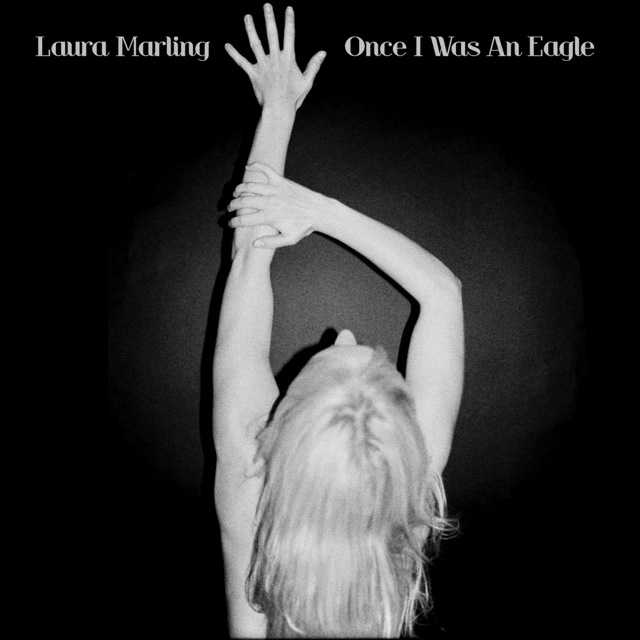
Laura Marling – “Once I Was An Eagle”

(Photo credit: Rolling Stone)

(Photo credit: Rolling Stone)

Grade: B+

Key Tracks: “Breathe,” “Saved These Words”

British singer-songwriter Laura Marling has been receiving constant praise for her work, including immediate approval of her fourth album, “Once I Was An Eagle.” The album does it’s job – it is an honest and effective folk album. But it does not start off that way. The first three tracks, “Take the Night Off,” “I Was An Eagle,” and “You Know,” are fairly tepid folk songs, with uninspiring lyrics and Marling’s vocals sounding phoned in. It is not until the fourth song, “Breathe,” that the album’s diverse originality starts to seep in. The song is a beautiful and building work of emotion. After “Breathe,” the album opens up into a mix of tracks with very diverse origins. Some have fast-paced with booming percussion, some are softer and more traditional of a singer-songwriter. Most songs feature just Marling and a slight instrument or two in the background. The album, as a whole, flows well in its transitions between different styles.

Once the album expands, there is a sense that Marling puts all the elements of herself into the record, exampled in the different styles. The songs have consistently great rhythms, no matter the volume or tempo. Marling deals with some tough thematic material in her lyrics, typical of a successful folk record. The album is long, stretching just over an hour, and it starts to feel tedious during the decrescendo towards the end. But the album’s final song, “Saved These Words,” is very reminiscent of “Breathe” in that it is a building song, a tough and perfect finale to the album.

Musically, the transitions between different styles keep it interesting, tough to accomplish for a folk singer. Marling’s guitar rhythms are often catchy and interesting, some less stale than others. Although the album starts slow, it turns into another near-perfect album for the acclaimed singer.

-Andrew McNally

Alice In Chains – “The Devil Put Dinosaurs Here”

(Photo credit: www.imwan.com

(Photo credit: http://www.imwan.com)

Grade: B-

Key Tracks: “Voices,” “Pretty Done”

A cut-and-paste rock album with a different singer might not be what all the 90′s revivalists are looking for, but Alice In Chains prove they still have some energy and spunk left. It’s been eleven years since the death of the original Alice In Chains singer, Layne Staley. He was a reclusive and tormented man, which brought life to the dark lyrics of Alice In Chains’ early music. The band’s reunion in 2005 with a new singer, William DuVall, was seen as misguided by many. But the band trekked on and released “Black Gives Way to Blue” in 2009 to surprising critical acclaim. Original guitarist and composer Jerry Cantrell picked up lyrical duties as well, becoming the band’s chief songwriter.

Their new album, “The Devil Put Dinosaurs Here” is more of the same for the band. The lyrics are typically gloomy and cover a wide spectrum of dark topics, including songs with titles like “Scalpel,” “Choke” and “Hung on a Hook.” The lyrics, penned by Cantrell, are effective, although the title track’s tackling of the blending of politics and religion just flat out does not work. The music is still loud and shrieking, with the monstrous and sludgy guitar tone from their previous album returning. Even in their advanced years, Alice In Chains are still being praised for bringing originality into heaviness.

“Devil” flows surprisingly well. The transition between the album’s first two tracks, “Hollow” and “Pretty Done,” is nothing more than a moment of silence before a similar rhythm comes in. Likewise, the fourth track, “Voices,” one of the slower songs, ends by building up volume before transitioning into the more haunting sound of the title track.

There is a problem with volume, however. The band focuses on the volume of it’s doom-and-gloom guitars, but it is consistently overpowering the vocals. DuVall and Cantrell share vocal duties, both with strong voices. On many tracks, though, the lyrics are only audible enough to hear, not audible enough to discern.

Alice In Chains’ original run had a number of emotionally powerful albums bolstered by Staley’s lyrics coming from real pain. Cantrell, chief lyricist, successfully follows in Staley’s footsteps in the manner of dark and haunting poetry. Post-Staley Alice In Chains, however, sounds like a band having fun in the studio, a band that probably is not feeling the lyrics they are singing. There is not necessarily anything wrong with this, it just further separates them from the 1989-1996 Alice In Chains that was popular on rock radio. “The Devil Put Dinosaurs Here” is an inventive rock album that plays around with traditional rock music while maintaining the sound. It does not resemble the original Alice In Chains, but it is still an enjoyable listen overall.

-Andrew McNally

Daft Punk – “Random Access Memories”

Daft Punk

Grade: B+

I’m one of those rare people that’s never really been onboard with Daft Punk. I’ve rarely found their music as entrancing and intriguing as most. The robot suits, to me, have seemed like an act more than an output of the music, which I’d already seen (better) in Kraftwerk. And I never cared for the repetitive rhythms and lyrics of their hits, and of club music in general. “One More Time” will grab me every now and then, but I see nothing in it beyond catchiness. “Around the World” has for years been a throwaway song to me, totally pointless and obnoxiously repetitive.

But “Random Access Memories,” admittedly, sucked me in. The first two tracks – “Give Life Back to Music” and “The Game of Love” did little for me, and were perhaps not the most momentous songs to open an album with. But the album’s third and longest track, “Giorgio by Moroder” roped me in more than any other dance song ever has. The song is winding and experimental, incorporating many instruments in a building rhythm. After the epic ends, the album twists into a peak of very danceable songs that never stretch into unnecessary lengths, and feature some great collaborations with Julian Casablancas (The Strokes), Pharrell Williams and legendary songwriter Paul Williams, all of whom contribute to some genuinely funky rhythms.

The album continues to flow in segments, as the last few tracks feature just the duo more prominently, largely devoid of collaborators and focusing more on a stripped-down, electronica sound. “Beyond” is the most traditionally Daft Punk track on the record, with the typical repetitive, faint robot vocals, and is one of the album’s weak points. But the largely instrumental tracks “Motherboard” and “Contact,” the closer, bring the album to a momentous end, and allow the group to experiment with their music and break out of their repetitive habits.

The duo stray further away from EDM and electronica on this record, their fourth. The danceable tracks actually feature funky guitar rhythms over electronica, at points. At moments on this record, Daft Punk sound like more than a duo, incorporating many instruments into their swooping songs. Chances are, if you’re reading this, you’ve already heard the album and have formed an opinion of it. When the band streamed it on Pitchfork, the world went crazy. People are down with whatever Daft Punk has to offer and, on this album, it’s a whole helping of everything. I do believe that I am a converted fan, at least for now.

Key Tracks: “Giorgio by Moroder,” “Contact”

-Andrew McNally