Fade In: Death Grips

Noise-rap group Death Grips doesn’t always have the same line-up. That’s probably an important thing to note. They usually consist of rapper MC Ride and drummer Zach Hill. Sometimes, keyboardist Andy Morin is considered a member. Sometimes, it’s a combination, or no one at all. The experimental duo/trio has made waves since their debut mixtape, “Ex-Military,” came out in 2011. Their albums have dabbled in noise, samples, politics, controversy, and all with unlimited energy. In honor of their new supposedly final double album, “the powers that b,” I’m offering the second Fade In Playlist. So for those of you who have heard the name Death Grips but have felt like it’s too late to jump into the game – don’t worry, I’m here to help. Below is a 10 song playlist with the duo’s well-known songs, most riotous acts, and a few deep cuts.

1) “You Might Think He Loves You For Your Money But I Know What He Really Loves You For It’s Your Brand New Leopard Skin Pillbox Hat” Quite possibly the band’s loudest song, although you could make an argument for almost any other one too, the “Government Plates” opener with a Bob Dylan title serves as a proper introduction to the band. With the unsettling synth opener, to MC Ride’s inconsistent vocals, it’s a wild, drippy ride. Fourth album “Plates” suffered from MC Ride getting lost in the mix, and this song is no different, but the beat here is so head-numbing that it doesn’t even matter.

2) “I’ve Seen Footage” Arguably the band’s most famous song, “I’ve Seen Footage” is also one of their most straight-forward tracks. With a guitar line more typical of a punk song, Ride and Hill jump in for a song that’s more rock than anything. But that doesn’t mean it isn’t still volume-pushing. Their sophomore album, “The Money Store,” was the closest they’ve gotten to conventional music. And it wasn’t very close.

3) “Come Up and Get Me” For the band’s third album, “No Love Deep Web,” they returned to a darker sound, albeit a more minimalist one. The album is marked in history as the one with Zach Hill’s erect penis on the cover. You know, that one. Death Grips signed to a major label just to screw them over, accepting a bunch of money for this album and then releasing it early for free. Opener “Come Up and Get Me” is similar to the opener on “Plates,” with a synth beat that almost makes you lose control of your senses.

4) “Black Quarterback” The first half of their supposed final album, “the powers that b,” that officially came out last month, actually came out last June. Titled “n****s on the moon,” it suffered from over-production and music that was too choppy and dense. Bjork samples were on every song, to little effect. But one standout from this album is the only one that heavily features MC Ride. His lone vocals start the song, before getting quickly swept up in a wild mix.

5) “Guillotine” Death Grips first release was the 2011 mixtape “Ex-Military.” It still serves as the most well-rounded example of their music, and possibly their best work. Second track “Guillotine” was the song that put them on the map. It’s a rare Death Grips song that holds back; instead of an aural assault, it comes in metrical bursts. MC Ride’s vocals come in crescendo-ing screams. It’s one of their most playable songs, even if it’s still surprising after 100 listens.

6) “Birds” The closest thing the band has done to a ballad, in the sense that Los Angeles and New York are close relative to the size of the Earth. This “Plates” track starts with a jarring synth rhythm, but gives way to a quieter guitar. This album has been their most experimental to date – it isn’t always in your face, and “Birds” is the best example. It’s a more reserved sound, if not with streaking bits of avant-garde. There’s little rhythm, but it’s a break from the overbearing nature of everything that surrounds it.

7) “Get Got” The third of their more known songs, “Get Got” opened “The Money Store.” It’s a rapid-fire song that’s more melodic than most Grips works. In the years since it’s release, the song has grown tamer, but when the album came out, it was something revolutionary. It’s still a great song, and one of their easiest to throw on at any time.

8) “I Break Mirrors With My Face in the United States” Maybe the most apropos title for a Death Grips song yet, this song opens “jenny death,” disc two of their recent “the powers that b.” This disc is far superior to “ni**as on the moon,” and it shows early. The group works as a collective on the disc, and this track is pure riot. It’s speedy to a fault, with Ride leading the group through a storm with the repeated title phrase. Refreshing to see that they can still put out a track like this.

9) “No Love” “No Love Deep Web” was marked by a more minimalist sound, and on one of the two title tracks, it couldn’t be more apparent – a few times, the music totally gives way to MC Ride’s a capella vocals. And even when there’s music, it’s more subdued than other Death Grips albums. The group plays around with holding back, letting the music hit at certain times instead of full-on. While not my favorite of their albums, it might be the most important in their repertoire.

10) “Blood Creepin'” My personal favorite Death Grips song, this one is also in the running for loudest track. The closer to “Ex-Military” doesn’t hold back with volume. Hill and Morin are in full force themselves, until MC Ride comes in, scream-rapping with vocals that were recorded louder than the usual balance, and name-checking Sonic Youth. This band is almost always in assault mode, but never more than this track. I think it might be the most quintessential Death Grips song – loud, arsonistic, earache-inspiring, and inexplicably melodic.

There’s been bands like Death Grips before. But for what we have right now, they’re the most experimental and controversial performance art group out there. Run the Jewels might be putting out even better albums, but for better or worse, they’re not pulling off the stunts and pure volume that Death Grips are. Thanks for listening, or not, they wouldn’t care and I’ll pretend not to. Death Grips broke up last summer, and never reformed it, so take their current tour and continual album releases as you please. I’m sure “jenny death” isn’t the last we’ll see from them. But we’ve already got more than enough to get angry and punished.

-By Andrew McNally
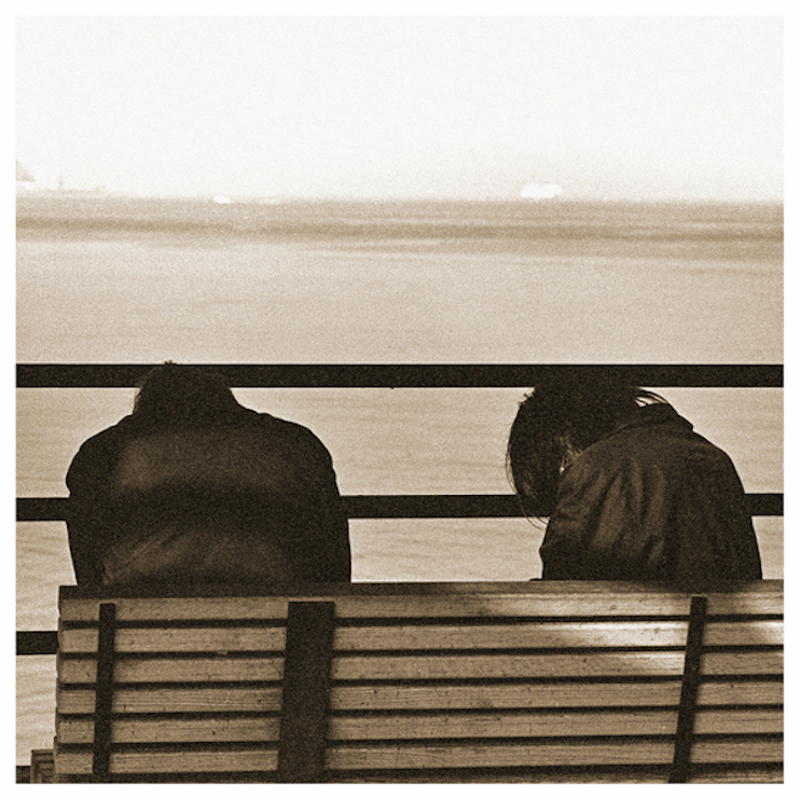
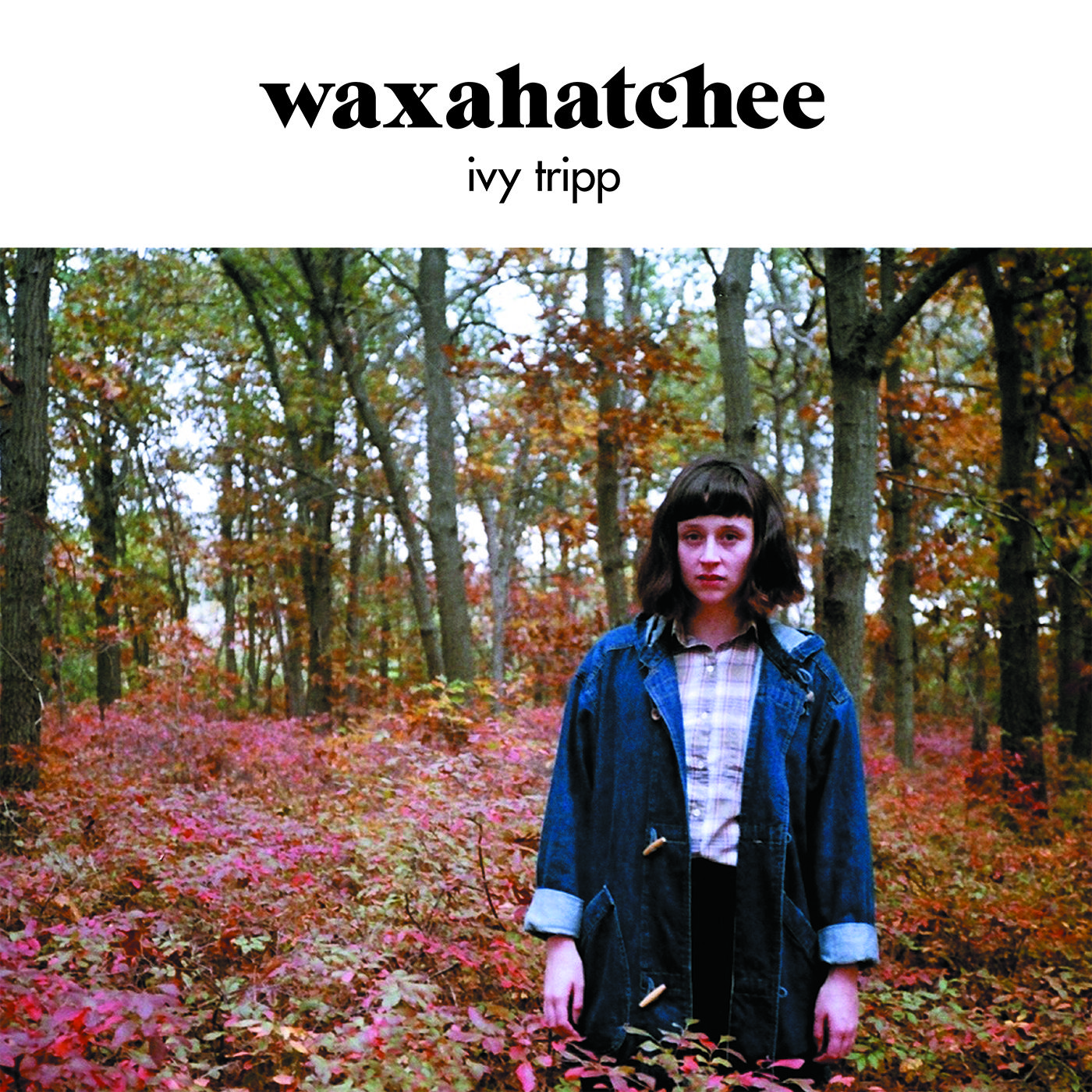
Waxahatchee – “Ivy Tripp”

Grade: B+

Key Tracks: “Breathless” “<”

Bzzzzzzzzzzzzz.

That’s the first sound you hear on “Breathless,” the opening track to Katie Crutchfield’s third full-length as Waxahatchee. It’s a guitar-wall, a block of fuzz of an electric guitar settling into it’s distortion. It’s similar to the guitar in 2013’s “Misery Over Dispute,” but grittier, more forceful. “Ivy Tripp,” and especially “Breathless,” follows Crutchfield’s trend of increasingly confident electric songwriting, although the electric/acoustic balance is too far in favor of the former.

People that discovered Crutchfield through her 2012 debut, “American Weekend” (like myself), probably wouldn’t have guessed that she was in a punk band prior, cult favorites P.S. Eliot (with her sister Allison – frontwoman for the equally great Swearin’). “American Weekend” was entirely acoustic and lo-fi enough that she could’ve easily opened a recording program and recorded the whole thing in a bedroom. “Cerulean Salt,” one of the best albums of 2013 (a year filled with great albums), was able to mix electric and acoustic. Songs like “Misery Over Dispute” aligned with 90’s alt-rock, with a Weezer-like warm distortion to them. And tracks like the tear-inducing closer “You’re Damaged” proved acoustic ballads could fit right in with the plugged-in songs.

“Ivy Tripp” follows more open, progressive songwriting. It’s her most comprehensive album to date, with piano and synth incorporated at times. And for part of the album, the flow is just as jarring as it was on “Salt.” Right as “Breathless” starts to become droning in it’s fuzz, it gives way to the clean, acoustic opening of “Under a Rock.” Unfortunately, the album’s middle succumbs a few times to electric tracks that don’t have enough oomph to them, and may have worked better acoustic. It picks up again for the final third – two beautiful acoustic tracks, a piano ballad, and a circular, grungy bass-heavy song close out the album.

As usual, most of the songs on “Tripp” are sung to an unknown individual. This album is different from “Weekend” and “Salt,” in that it is as focused on the music as the vocals and lyrics, so there’s less lyrical standouts. But “<” has the repeated line “You’re less than me / I am nothing.” The song is also maybe the most interesting from a musical standpoint, as a building track with discordant guitars. Elsewhere, Crutchfield makes numerous references to water and, on “Air,” sings “I left you out like a carton of milk.”

Like the lyrics, her vocals on this album aren’t as much of the focus. But they’re still commanding, naturally.  They’re the strongest on “Air,” but they’re great throughout. The strongest quality in her music has always been the fact that she sounds like she’s making these albums for her, not for an audience – not a trait that’s usually a good thing. But “Ivy Tripp,” like the albums before, sounds like a work of grievances, of things that she needs to get off her chest. And the songwriting is more expansive, more confident, and comes with the biggest sound yet, but these still sound like songs recorded for her. The audience is merely a factor in her music; she’d like us to be included, but if we’re not, it’s okay. The songs are being made anyways.

If you like this, try: Any album from one of my absolute favorite bands, Laura Stevenson & the Cans. I recommend “Sit Resist.”

Death Grips – “The Powers That B” (n****s on the moon/jenny death)

Grade: C, B+

Key Tracks: “Black Quarterback” / “I Break Mirrors With My Face in the United States” “Why a Bitch Gotta Lie”

Let’s get this out of the way – this double album is two different albums. There’s no narrative or connecting piece. Disc 1, “n****s in the moon,” was released last year, while “jenny death” has just come out. So for this review, they’re being judged separately. And boy, are they different.

Disc 1 of this double album suffers from every problem that you can imagine noise-rap group Death Grips having – over-production, vocals too far lost in the mix, too choppy, and too sampled. Alt-avant-garde legend Bjork was excited to announce that her vocals were lent to every track on this album. But, they serve little purpose than to add to the noise. Often, like on the album’s best track, “Black Quarterback,” MC Ride’s scream-rapping is lost in the mix, almost hidden under Bjork’s unnecessary samples.

I do have to hand it to Death Grips for trying to incorporate Bjork on every track. Death Grips are essentially a novelty act with a political motive – the loudest, most boisterous and disruptive rap group in music. In this case, Bjork makes sense. And Death Grips have always suffered from the potentiality of repeating themselves, so to include the Norwegian legend on every track is something tonally new. But what results is an album similar to 2014’s “Government Plates” – musically interesting, but severely lacking in MC Ride’s frontman presence.

“jenny death” is a wholly separate album from “n****s on the moon.” The first disc, as problematic as it was, flowed from every song into the next. “jenny death” focuses on the songwriting on an individual level. There’s no constant flow between songs, as the band lets each develop on it’s own. On this disc, we get excellent amounts of MC Ride, permeating every track with his whisper-to-a-scream rapping. “jenny death” proves that for Death Grips, the parts are greater than the sum. Ride is on full force, leading the group fearlessly through every track. It’s significantly better, because of his presence. It’s heavy without being overbearing, and everyone involved is simply in sync with each other.

Death Grips’ legacy is one marked by experimentation. They’ve been a band of two, three, one, occasionally none. Last year, they broke up, during a string of dates opening for Nine Inch Nails and Soundgarden. Then they released “Fashion Weak,” and announced a string of tour dates. In Chicago, they didn’t show for Lollapalooza, and didn’t show for the headlining after-show, instead putting up a fan’s suicide note as a backdrop. They weren’t even in Illinois. On a major label, they signed, got a bunch of money, and then released their album for free (“No Love Deep Web”) without the label’s knowledge. The band’s public stunts and antics range from comical, to political, to deeply questionable. Their discography is similar – it starts great, only to quickly move into waves. “the powers that b” is both waves – the band at it’s worst, and the band at it’s best. This is supposedly their last album, and if it is, it’s a questionably memorable and definitely fitting way to go out. But there’s nothing that makes me think they’re done. They’re touring and releasing instrumentals, “breaking up” was just another stunt. I, like many fans, have learned to take these things in stride. They’re a great band; they’re not as great as they think they are. Still, the second disc of this album proves the band still has the energy, anger, and experimentation as they did in their beginnings a few years back.

-By Andrew McNally

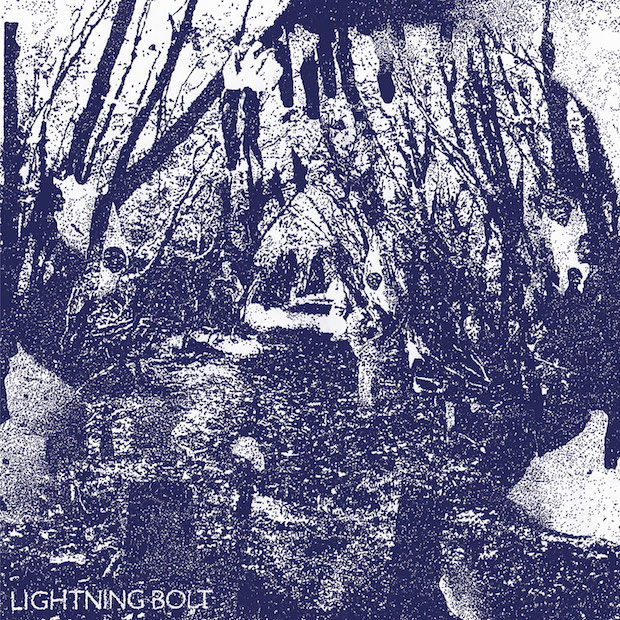
Lightning Bolt – “Fantasy Empire”

Post also featured on seroword.com

Grade: B

Key Tracks: “The Metal East” “Mythmaster”

Lightning Bolt is 21. Lightning Bolt is living on its own, balancing school and work. Lightning Bolt can drink, vote and smoke with no consequence. On their seventh album, they embrace being 21 as an actual 21 year old might – by accepting the rigidity of adulthood, accepting the routine of routine, but not embracing it.

The band, still comprised of just Brian Chippendale on drums and indecipherable vocals, and Brian Gibson on bass guitar, give the impression they’re cleaning things up. The songs on “Fantasy Empire” feel more rehearsed. They’re more rhythmic, more practiced, more worn-in. The band even recorded in a proper studio for the first time in years. This is a trajectory most bands tend to follow – they’re crazy while they’re young, but once they get a taste of success they straighten themselves up. But, Lightning Bolt has been unpredictably successful for many years, so to hear a more straight-forward, repetitive version of the duo is surprising, to say the least.

Or at least, that’s what they want us to think. Lightning Bolt’s rigidity on “Fantasy Empire” is only surprising because we’re used to their wild inconsistencies. Their songs weren’t improvised, but they sure damn sounded like it. 2005’s “Hypermagic Mountain,” one of the albums that got me into noise music, is an hour of Chippendale beating the drums into submission and Gibson shredding wildly. On “Fantasy,” there’s central rhythms and tempo changes. The vocals are rhythmic and coordinated (if not still wholly indiscriminate). But they’re still the same band. On opener “The Metal East,” the band rages on like an ambulance driver in a snowstorm – an experienced one.

The Brians were really just growing tired of the recording process and wanted a change. “Fantasy Empire” is their first album since 2009, and some of these songs have been in their concert rotation since 2010. Musical maturity is a different route for the band. Sometimes, it works, like the sudden tempo change and crescendo on “Mythmaster.” Other times, like on “Horsepower,” the lack of insanity leaves them focus-less. More often than not, things come together. The band nods to metal, like on “Runaway Train,” and to pop, like on the surprisingly rhythmic vocals of “Over the River and Through the Woods.” They’re more leveled, letting you know when you’re going to be assaulted and by which instrument. Things come together more, there’s a semi-structured cohesiveness. And the level to which the listener finds it either off-putting or a breath of fresh air, is really up to the listener. It does leave a hole, as they begin to sound like the bands they’ve inspired. But it’s a small hole, because even in it’s maturity, Lightning Bolt is still a 21 year old band – not yet rid of a few pranks, a few tricks up it’s sleeve, and a whole lot of energy.

If you like this, try: The best recent comparison to “Fantasy Empire” is Melt-Banana’s 2003 “Cell-Scape,” where they held back and wrote catchier, more accessible songs – and in doing so, their stance as the most ferocious band on Earth was only heightened, through the power of planned blasts instead of a full-on attack.

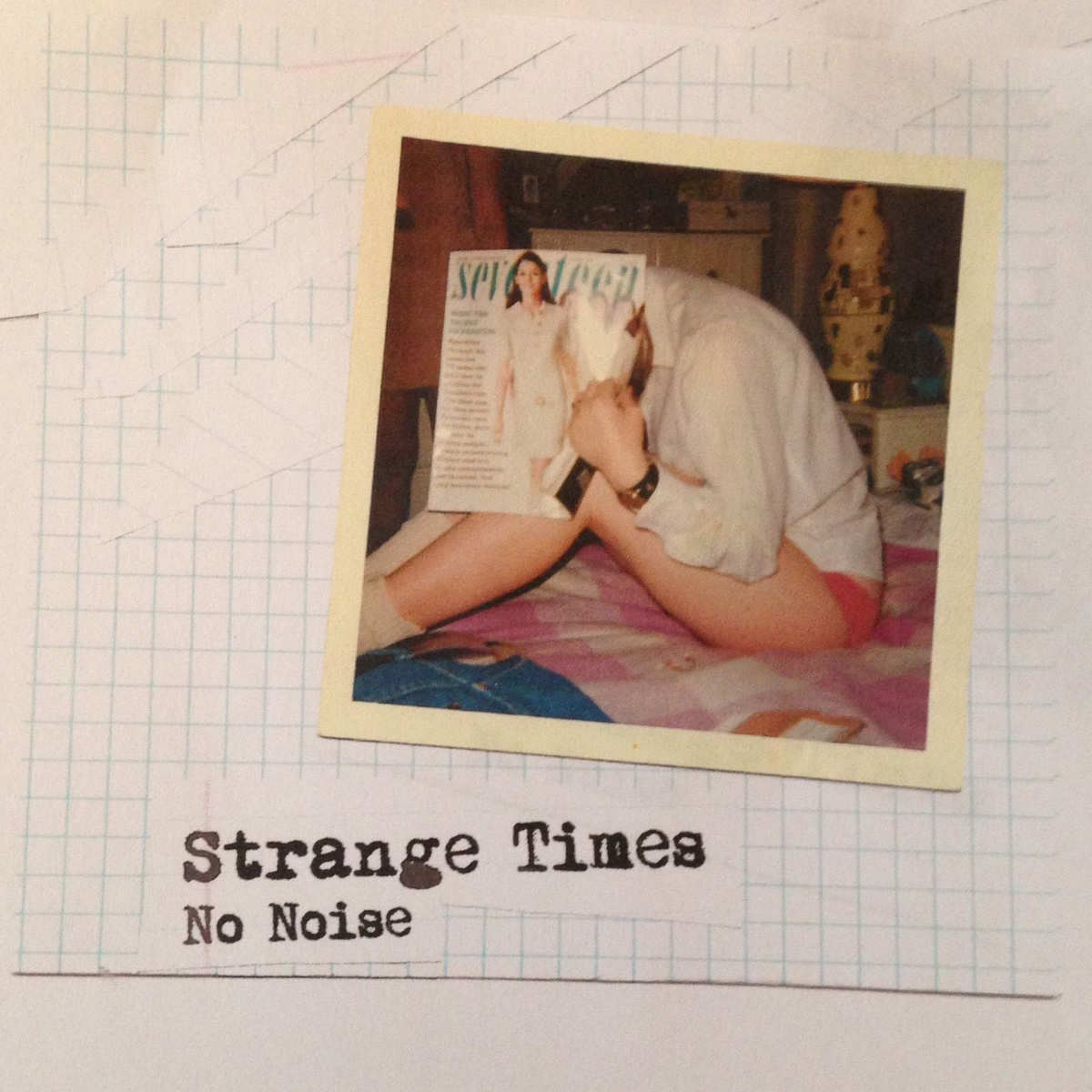
No Noise – “Strange Times”

Grade: A-

Key Track: “People Downstairs”

The best attribute of young rock bands is usually their youthful energy; No Noise is no different. Coming from (possibly a garage in) Montclair, New Jersey, the five-piece alt-rock band is marked by their 90’s influenced, energetic alt-fuzz.

“Strange Times” is led through battle by singer Mika, whose vocals dominate the EP. She rarely flourishes, instead letting her strong vocals fit within the music. She owns tracks like “Blisters” and “People Downstairs.” She complements the band behind her, with an energy that lifts them past similar, settled bands.

The five-piece, which also consists of Sam and Alec on guitar, Max on bass and Joe on drums, are younger than this reviewer – significantly younger. This bleeds through onto “Strange Times,” which benefits from a general aversion to metrics and structure. The band does conform to relatively standard rock structures, but they have a loose, almost practiced-sloppiness to them. Intentional or not, they’re reminiscent of early ’90’s acts like Built to Spill or ‘Blue Album’ Weezer in their rehearsed garage feel. Equal parts grunge and surfer, No Noise are able to tone it down, like on the bluesier “Play Dumb,” and are more than capable of kicking it back up, like on “People Downstairs.”

Lyrically, No Noise seem to be pretty straightforward, sticking more to a rock structure than the music might. And that’s alright, because they fit within the context of the songs, and the focus is stronger on the music and vocals anyways. And when it all comes together, it’s largely successful. “Strange Times” is an EP that demands replays, and it gets better with each spin. Their influences may lie in the greats, and they’re picking and mixing the best parts of each. No Noise have an open road ahead of them, and “Strange Times” is just a revving of the engines.

Stream the album on Spotify or on their Bandcamp page.

If you like this, try: Pavement, at their more guitar-heavy times.

-By Andrew McNally

Kendrick Lamar – “To Pimp a Butterfly”

Grade: A

Best Tracks: the whole damned thing

He is a winner, and he’s probably gonna win again.

Oh, Jesus. One of 2015’s most hotly anticipated albums didn’t even have a confirmed release date, title, or tracklist a month ago. And now, it’s out a week early. It’s not known if Lamar dropping it early was to avoid a leak, or to pull a Bey, or just sheer confidence. But whatever way you look at it, “To Pimp a Butterfly” is not only one of the best rap albums of the year, it’s one of the best of the decade.

Lamar nails down a wide range of emotions and influences on “TPAB.” While rappers often try to make diverse albums, not all of them can pull it off. But Lamar shows all sides of himself simultaneously, not individually. “To Pimp a Butterfly” is as self-referential as an episode of Arrested Development. It is the work of a man who is confident to an arrogant point, but still deeply, deeply pained. Throughout the album, there’s a repeated spoken word bit about depression leading to screaming in a hotel room. He’s vulnerable when he raps “loving you is painful” on “u.” Lamar’s ability to shift tone is natural, and he’s possibly the best at playing off his emotions with the sound of his voice alone.

But at the same time, he’s confident, almost to a fault. Loving an unknown subject might be tough, but loving himself isn’t, as proven on the leadoff single “i,” even though the album version of the song is radically different. More still, he’s said the album’s title is a play on “To Kill a Mockingbird,” in one way because seeing “Pimp” next to “Butterfly” is an alarming juxtaposition, but also because he believes the album is Harper Lee-level importance. That’s bold; hell, that’s stupid. But, he’s right. It’s that good. He even ends with a 12 minute track, “Mortal Man,” which starts as a song, then transitions into a poem, and ends with another poem. In between the two – a spliced up interview with 2Pac from 1993. Pac. In the hip-hop world, that’s the equivalent of putting the Frost/Nixon tapes in the middle of a campaign speech.

The music on the album is dense. It goes from abrasive – “The Blacker the Berry,” “King Kunta” – to chill – “Momma,” “How Much a Dollar Cost” – to surprisingly funky – “Wesley’s Theory,” “i.” He pulls them all off, and they all flow and bleed together, sometimes in the middle of a track. There’s repeated musical sections, repeated phrases, and self-references. There’s also well-picked guest inclusions. The production credits read like a novel, but the album itself has few guests. Pharrell, Rapsody and Snoop Dogg round out expected roles. George Clinton and Ron Isley are less expected. Least expected is a sample of a Sufjan Stevens song.

Lamar knows what he wants and what he likes. “TPAB” is significantly different, tonally, than the song that made him famous – Big Sean’s “Control.” In his guest verse, he calls out nearly every rapper imaginable, even the beatified Andre 3000. On this album, Lamar raps about racial politics, and calls for black rappers to come together, overcome differences and fight against racism (most notably on “Mortal Man”). He praises Snoop, and calls out critics on “Hood Politics”: “Critics say they miss when hip-hop was rapping / Motherfucker if you did then Killer Mike would be platinum.” “Hood Politics” might be the album’s most important track, ironic given that it’s one of the more forgettable ones, musically. The song establishes Lamar’s political beliefs more than any other track.

Over the past few years, hip-hop albums have had a tendency to get bloated. But at 78 minutes and 16 tracks, there isn’t a moment that doesn’t belong on “To Pimp a Butterfly.” It doesn’t even feel like 78 minutes, anyways. Lamar is celebratory, depressed, angry; he is human. And he’s a phenomenal rapper, writer, and performer. If everyone was shocked by Lamar getting the Grammy snub last year, then they shouldn’t be shocked at the next ceremony.

-By Andrew McNally

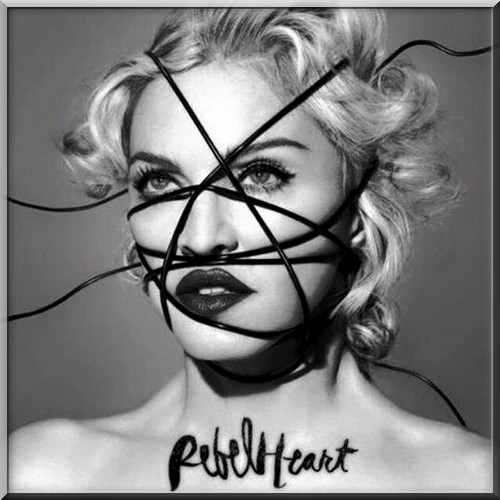
Madonna – “Rebel Heart”

Grade: B+

Key Tracks: “Living For Love” “HeartBreakCity”

Madonna’s new album has a song called “Bitch I’m Madonna,” so, what more do you need?

As we’ve settled deeply into this digital age, there’s been a feeling of resentment about the blending of music and technology, spurred on largely by Thom Yorke, Bjork, and others that don’t see the value of platforms like Spotify, and by the likes of U2, who have no idea how to harness technology to any sort of advantage. The elders seem to think that they’re outdated, and that their further output won’t be able to hold up amongst the music of younger acts. But there’s plenty of musicians fighting against the aging – like Madonna. On “Rebel Heart,” her 13th studio album, Madonna shows no signs of aging, instead standing with and against modern acts like Nicki Minaj, Diplo and Kanye, including them in the album and shoving them under her career in the process.

Madonna’s previous album, “MDNA” was lackluster. It couldn’t find the formula to match Madonna with EDM. On “Rebel Heart,” she’s learned to just be herself and let everything fall into place around here. Indeed, the album’s strongest songs are the ones where Madonna just powers through the dance music around her. On “Living For Love,” “Ghosttown” and “HeartBreakCity,” her voice dominates over all, and although they’re not always the most immediately enjoyable songs, they’re the ones with the longest staying power.

Generally, the bigger the ideas are on this album, the worse they’re pulled off. “Iconic” is the most high-concept song, a track that features Chance the Rapper and, uh, Mike Tyson. Tyson is a voiceover in the beginning, Chance is wasted in a forgettable guest spot, and Madonna herself is lost in the EDM-y overproduction. It’s a big track, one that’s immediate fun, but leaves a bit of a sour taste. “Bitch I’m Madonna” is like that too – it’s a great track overall, but it’s aided by Diplo and Nicki, and Madonna gets lost in the beats. This isn’t something that happens consistently, just on a few tracks, but it highlights the tight line Madonna walks as a 56 year old pop singer.

But, more often than not, “Rebel Heart” just works. With track titles like “Illuminati,” “Holy Water,” “Joan of Arc,” and the aforementioned “Bitch I’m Madonna,” we’re seeing a side that’s showing no reservations. She hasn’t calmed or grown weary in her years; this is the same performer we had in the Sex days. Her voice and her persona haven’t lost an edge, even going so far as to call out everyone in pop culture today on “Illuminati,” from Steve Jobs to Bieber to ISIS. Madonna is back out for blood, and it feels more natural than it has in a long time. “Rebel Heart” may not be a masterpiece, but it’s one of the better pop albums of the year so far.

-Andrew McNally

Little Tyrant – “Stop Crying/Dying (A Collection of Platonic Love Songs)”

Grade: B+

Key Track: “Everyone who Wants to Kiss me is on the Internet”

Little Tyrant, pseudonym of singer Matt Diamond, starts off their short album with the proclamation: “I had lived through a majority of my life thinking I was sad because I was alone, but then I realized that it was the opposite, I was lonely because I was sad.” Diamond, the force behind folk act Little Tyrant, makes a mission statement in the opening number “Hi (Corny Intro).” They’re setting the rest of the album up as a set of tunes for the trans community, that’s a little more ambient and a little less harsh than other singers out there.

To call this album short is to sell itself a little – at eight tracks, it sits at 10:19. But the very brief runtime lets Diamond sit on some of the music’s more important elements. After the Paul Baribeau-like blast of “Wastin’ Away,” the feedback and slowed rhythms of “Light” seem to extend longer than they actually do, in a way that plays with the listener. The album’s longest song is 2:08, the closer “Everyone who Wants to Kiss me is on the Internet,” and it serves as what is a lengthy closer, relative to the seven songs prior.

Diamond’s music is more ambient than most folksy-singer-songwriters. “Sooner” and “Light” experiment a little more in an ambient setting, both musically and vocally. Their placement towards the end of the album help ease the listener into the ambiance, slowly moving from folk blasts into it.

Diamond has stayed away from lyrics that are too harsh. Their lyrics instead reflect the basics of growing up transgender. On “Mediocre Bedding,” they sing “I sat at the bar and smoked some cigars because that’s what growing up is.” The lyrics throughout reflect Diamond seemingly calling on others to try to make the most of their positions. “Wastin’ Away” features no other lyrics other than “You’re wastin’ away,” and they’re delivered in a frontal but apologetic, ‘it’s time we addressed this’ type of way.

After a couple of listens, its apparent that “Stop Crying” packs a number of punches in only 11 minutes. It sets up an environment in a folk world, and moves into ambient, all while delivering introspective but leading lyrics roped together for a specific community. It’s one of the more interesting releases to come out of the dwelling transgender folk scene, an album created as much for others as it is for Diamond.

The album is available for download/streaming here.

If you like this, try: Porch Cat’s split with JFKFC.

Will Butler – “Policy”

Grade: B+

Key Tracks: “Take My Side” “What I Want”

The idea of a “frontman” is one that dominated classic rock – everyone remembers Freddie Mercury, some people know Brian May’s name, not many people know Roger Taylor and John Deacon. But it’s a status that’s become outdated in the indie age, with alternative bands working more as units rather than musicians waiting for their chance to show off. Arcade Fire hasn’t melded with this change in pace. When a casual person thinks of Arcade Fire, they think of the frontcouple – Win Butler and Regine Chassagne. This is probably because Arcade Fire is huge, there’s six members (seven until recently), and everyone plays multiple instruments. So the band has an indie collective feel, like Broken Social Scene or the Polyphronic Spree. But they’re not, they’ve had a pretty core line-up since Funeral. What this has led to, in succession, is the other members besides Win and Regine trying to make their voices heard. Recently departed violinist Sarah Neufeld released a solo album in 2013, followed closely by multi-instrumentalist Richard Reed Parry. Now, Win’s brother is having his say. Will Butler, who is officially credited with playing “synthesizer, bass, backing vocals, guitar, percussion, sitar, panpipes, trombone, omnichord, glockenspiel, concertina, double bass, clarinet, gadulka and the musical saw” throughout his time in Arcade Fire, has released his first solo album.

As one of Fire’s two remaining crazy members (along with Parry), what we get from “Policy” is Butler’s contributions to Arcade Fire – one slice of the puzzle extracted, and propelled forward until it becomes its own being. “Policy” is often poppier, faster and more lively than Arcade Fire’s music. At 27 minutes, it’s a brisk outing, one that highlights the album’s quickened, but not unruly pace. A majority of the eight tracks are simple guitar-based indie, akin to the solo work of Brendan Benson. It’s a type of indie that is usually successful just because it never has to ask for any sort of originality to work. But “Policy” does still have some original things going on around it. On what’s maybe the album’s best track, “What I Want,” Butler sings wild lyrics around a vocal rhythm that keeps crescendo-ing. Remove the sweet indie sound the goofy lyrics, and it’s a noise-rock template.

“Policy” demands no comparison to Arcade Fire, in either its size or its scope, but it’s hard not to make comparisons. Will does, at times, sound like his brother. And occasionally the rhythms either cool down enough to resemble the band, or they build enough complexity to sound denser. But the album’s biggest difference might be in the lyrics. Butler’s lyrics aren’t at all similar to Arcade Fire’s cold, emotional odes. They wouldn’t fit on an album that leans more to enjoyable than painful. Instead Butler sings lines like “If I could fly / I’d beat the shit out of some birds” on opener “Take my Side,” and on “What I Want,” singing “I know a great recipe for pony macaroni.”

The album’s two outliers are the synth-y and sax-y second track, “Anna,” which almost feels like a red herring. It acts like it’s going to set a tone for the rest of the album, but Butler instead treats it like a song he’s doing for himself to get it out of the way. The biggest outlier is “Sing To Me,” a piano ballad. It’s an effective, low-key piece, and it’s got a strong, haunting tone to it, but it doesn’t really fit on “Policy.” The audience is never really set up for a ballad so soon – even as the penultimate track, it still comes after only 21 minutes.

Still, there are no bad moments on “Policy,” and even though it isn’t entirely effective as an original work and Butler doesn’t quite possess the independent power of being a solo musician, it’s a fun listen throughout. It takes a stance alongside but completely separate from Arcade Fire, and helps to signify Butler’s important position in the group.

If you like this, try: Brendan Benson’s 2012 album “What Kind of World.”

-By Andrew McNally

Heems – “Eat Pray Thug”

Grade: A-

Key Tracks: “Sometimes” “So NY”

Review also printed on Seroword.com

BRUH. Do you want to get shaken up? Wanna get rattled? Heems’ debut is the album to mess you up.

Queens rapper Heems finally has his debut album out, on his own Greedhead Records (search the name on my blog). He has described the album as “post-9/11 dystopian brown man rap.” Indeed, Himanshu Suri is a phenomenally unique force in hip-hop – a man living in New York who’s proud of his heritage, but also feels ostracized because of his race. And that politically charged motive is all over “Eat Pray Thug.” The songs excel on contradiction – New York is home; I’m driven from home.

The lead-off single, opening track and best song “Sometimes” establishes the discord perfectly, by setting Heems up as a rapper who isn’t taking on a persona. “Sometimes I’m pacifist / Sometimes it’s pass the fist / Sometimes I stay sober/ Sometimes it’s pass the fifth,” he raps about his human qualities. This disconnect is what demands the album work as a whole – on “So NY,” he raps about being so New York-based that, “I still don’t bump Tupac.” But, on most of the songs, especially closer “Patriot Act,” he’s more honest about the racism that he, his family, and others have been through as a Middle Eastern man living in New York City. On “Patriot Act,” he bemoans how life became difficult for many people he knew after 9/11, in a spoken word piece that references stop & frisks and donating to local politicians to stay safe. On “Flag Shopping,” he rhymes ‘flags’ with ‘rags,’ and later raps “They wanna Toby us / Like we Cunta Kinte.” Heems cuts deep with his personal experiences, accurate accusations and brutal truth.

But Heems doesn’t spend the whole album expanding on that. He tries pop songs and ballads, too. On “Pop Songs (Games),” he goes for a genuine, bona fide pop song and, while it’s results aren’t quite spectacular, he’s putting in the effort to diversify his music. And on “Home,” Heems and Dev Hynes (Blood Orange) expertly pull off a ballad (courtesy of the line “Be my remix to Ignition”). Heems hits all boundaries on a relatively short album, expanding a brief time to include everything he can.

“Former Das Racist frontman” “Das Racist head” “Creator of internet rap sensations Das Racist” Uuuuuuuuuugh. Still referring to Heems as being the frontman for Das Racist is like still referring to Conan as being a “Tonight Show” host. It happened, it was great and it was underappreciated, but it’s over. Das Racist hasn’t been a band for something like two and a half years, and it’s time to start recognizing Heems for what he is – an incredibly complex, diverse and talented rapper and entrepreneur. On “Eat Pray Thug,” Heems gives it his all, and nearly everything he throws at the wall sticks. “Eat Pray Thug” is an open, honest and powerful work, one that examines New York City as both a lifestyle and a germ pool. And it proves Heems to be the affronting rapper he’d set himself up to be; ready to grab the throne whenever it’s left unattended. There’s a lot going on, and Heems has a lot to say. We should all be listening.

If you like this, try: Any of the people Heems has signed to Greedhead; namely Le1f, or Lakutis.