Muse – “Drones”

Grade: D+

Key Track: “Reapers”

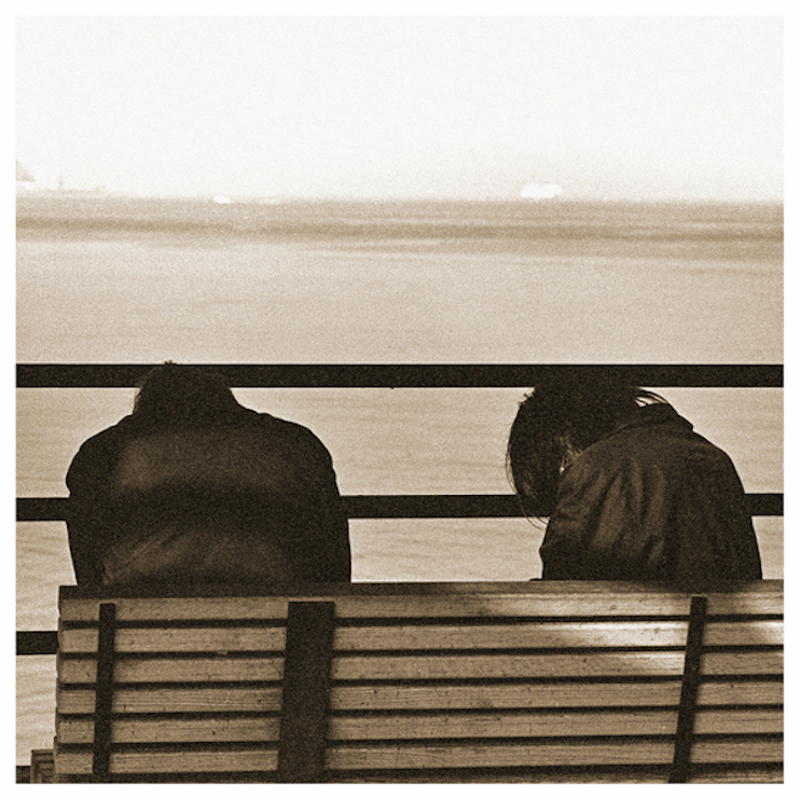
When you’re a band that’s been making the same album over and over again for 15 years, you should know better than to call it “Drones.” I won’t even touch the easy joke, nor will I say anything about the art-rocity on the cover. Let’s just not even spend time there.

Muse makes music for teenagers. I don’t know if it’s intentional or not, but they do. I was 14 when “Absolution” came out, and it rocked my world for a while. “Drones” takes a predictable anti-war stance, and man, if this had come out a decade ago, I would’ve fallen in love with it like it was any girl I talked to. Certain songs from “Drones” have Hot Topic-primed lyrics, down to a concept that’s confusing and inconsistent.

“Drones” supposedly follows someone as they join a military and become a human drone, or something Muse-y like that. It’s not always coherent, and it leads to very Muse-y songs like “Defector,” that has a chorus of “I’m free from society / You can’t control me,” or “Revolt,” which is pretty self-explanatory. The album’s second track is an interlude, of a drill sergeant prepping a soldier to be a “killing machine,” which is pretty much the equivalent to Kevin James starring in “Apocalypse Now.”

Musically, Muse looked to get back to basics on “Drones.” It doesn’t always work, but they have stripped themselves down a bit compared to the past few albums. Given that “The 2nd Law” had a literal dubstep song, hearing just the guitar-bass-piano-drums combo of the “Origin of Symmetry” days is a relief. It’s not enough – the strength of Muse’s early albums lies in their restlessness, as they clearly had ambitions that they couldn’t yet meet. But it is still an improvement. “Reapers” is the closest to classic Muse (note: to me classic Muse is “Newborn”). 10+ minute penultimate track “The Globalist” also hits old Muse for a while, before falling into terrible ballad territory (and giving way to the closer, “Drones,” which is Matt Bellamy a capella layered over himself – yikes).

Compared to the slough they’ve been slinging at us for a few years, “Drones” isn’t so bad. But there’s a second interlude on the album that’s part of a speech from JFK and it’s just like, come on guys. You’re British. This album is about drones. None of it makes any sense. Muse revel in their corniness, and it affects their songwriting. There’s some generally good Muse songs on this album, but they’re too few and far between to make you think they’re a band worth paying attention to again. 15 year-olds are probably going to pick this album up, and it might inspire them – that’s good. “Absolution” inspired me. It made me more political, and more musical. But it also advanced me past self-serving bands like Muse. Ten years from now, when Muse hits 31 years as a band, the kids that picked up “Drones” are going to smirk at themselves, at how far they’ve come since those teenage days.

-By Andrew McNally
The Sonics – “This is the Sonics”

Grade: A-

Key Tracks: “I Don’t Need No Doctor” “Save the Planet”

Does history repeat itself, or do things never change?

Fans of My Bloody Valentine, Guns N’ Roses and the Stooges are breathing a sigh of relief. “At least I’m not a Sonics fan.” “This is the Sonics” now takes the cake as the longest time in between albums. It’s the first album from the band’s original line-up in 49 years, and they play like nothing’s changed. Although the members are now in their 70’s, they’re still playing incendiary pre-punk garage rock.

This album plays like a movie in a series that ignores the films that came before it. The Fast and Furious series ignores Toyko Drift, like the film never happened. Except that in the world of the Sonics, what hasn’t happened is punk, disco, new wave, hip-hop, metal, boy bands, and everything else since “Sgt. Pepper”. The Sonics play like they’re still the forefront of music, something that would be vain if it mattered. In reality, it’s an incredibly refreshing listen. The band blow through 12 garage instant-classics in 32 minutes, each as good as the last.

All of the instruments work off each other on the album – there’s no competition for value. This is partly garage-rock mentality, and partially due to the record being recorded in mono. The producer, the legendary Jim Diamond, does little more than hit the start and stop buttons, just recording the band live. To add any flourishes, or to clean the sound up, would do the band injustice. Instead, the band is recorded as they should be – geared up, roaring with a possibly vampiric energy that some bands can’t match when they’re young.

There’s only really two nods to the fact that the Sonics aren’t still in 1966. The first is the inclusion of horns, something that wasn’t in the band until entirely different iterations of the Sonics played into the 70’s. The other is the late-album “Save the Planet,” which addresses global warming in the most Sonics way possible, by letting us know Earth is the only planet with booze. “Reality’s for people who don’t know how to drink,” Jerry Roslie sings, daring us to ignore his age.

The Sonics still have a cynical edge to their lyrics, a cynicism that separated them from the more party-hardy garage acts of the 60’s. There’s a relatively harmless causal sexism to the lyrics, much like the 60’s, as well as songs like “I Got Your Number,” with “I’ve Got Your Number, and it’s 666” sung in an offhand way. By convincing themselves that 60’s garage rock still wants to be heard, they’ve convinced us that lyrics like this are still surprising. “This is the Sonics” boasts a very 60’s throwaway album title (like “The Who Sings My Generation”), but it’s also very literal – this is them, all these years later. And to anyone that wasn’t around then, this is what they were. And it’s what they still are. 2015 hasn’t stopped throwing surprises at us, and a wholly rocking new Sonics album is something none of us expected.

If you like this, try: early garage rock like this has a big influence on the Burger Records type surf-punk bands, try Japanther at their more direct (“Surfin’ Coffin”).

-By Andrew McNally

METZ – “II”

Grade: B-

Key Tracks: “Acetate” “Kicking a Can of Worms”

METZ named this album “II” because they knew it would serve as a sequel. They came out swinging on their self-titled debut album, and fell into the rarity of an instant classic punk release. Even in a crowded genre, the album defied genre. “METZ” was like a butcher, taking a typical post-punk album and rolling it into one long strand, making incisions every few inches. Their music is extremely metrical, in a way that punk and post-punk usually prides itself on going against. “II,” unfortunately, doesn’t quite keep the energy. But it is a proper sequel.

Sequels are difficult – how much do you acknowledge the original? On the spectrum of “Godfather Part II” to “Hangover Part II,” METZ here fall somewhere around “22 Jump Street,” or “Led Zeppelin 2,” in the acknowledgement that yes, it’s more of the same, but you liked it the first time. METZ have a formula to their music that’s distinctly their own, but they’re already deviating from it.

The worst moments of “II” are the ones where METZ sound like they’re retreading themselves. The band, surprisingly, suffers from the “Give ‘Em Enough Rope” struggle of recapturing a debut album’s sheer energy. The songs presented here are sometimes more forceful than others, and sometimes more well-mixed than others. “Acetate” and “Landfill” have energy to them, while “Spit You Out” and “Nervous System” could use a little boost. And while the balance between heavy instrumentation and vocals is usually balanced, on “Wait in Line” it is too heavily in favor of the music. The lyrics throughout edge on intelligible, but “Wait in Line” is the only track where they’re too muted.

Still, the band recognizes that they can’t completely recreate their first album, and they allow themselves some flourishes. There’s something close to a solo on “Spit You Out,” and there’s a tremolo bit on “Eyes Peeled” that could be mistaken for a solo. They break out of their own system a bit, more than they allowed themselves to do on “METZ.” The vocals on “The Swimmer” are more frantic than they were before. There’s signs that the band knows this is a brand that can’t keep going forever. And at the end of it, “II” still rocks pretty hard. They might not be able to keep this formula up for long, but it’s still working in their favor.

If you like this, try: There’s a hundred different ways I can go with this one, but I’ll keep it basic. One of the best of the year – Sleater-Kinney’s “No Cities to Love

-By Andrew McNally

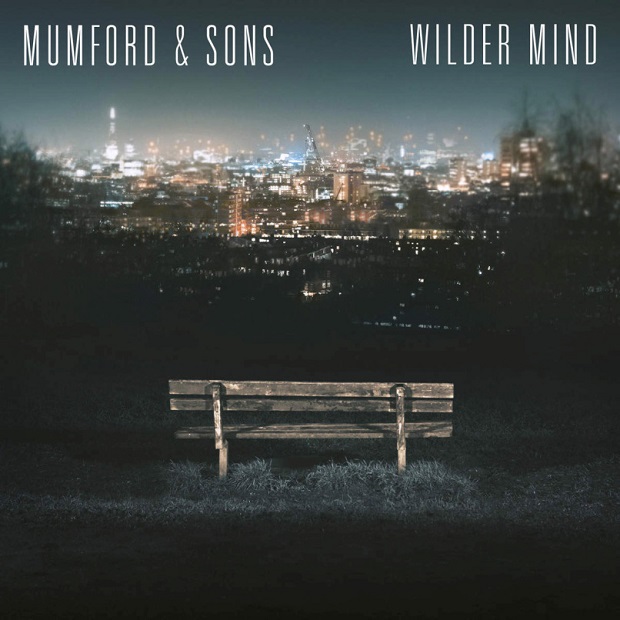
Mumford & Sons – “Wilder Mind”

Grade: D

Default Key Track: “Tompkins Square Park”

There was a time when vagueness was a part of rock music. It was big in classic rock – Springsteen and AC/DC alike told stories of everymen that resonated, even though they’re details were ripped out of entry level creative writing classes. Think about Tom Petty’s “Free Fallin’” – it describes a very specific girl, but an everygirl. Mumford & Sons harken back to the days of classic rock storytellers on their first electric album, “Wilder Mind.” But then isn’t now. Mumford & Sons going electric doesn’t resonate like when Dylan did it – hell, they’re probably quieter here. And in an incredibly overpopulated music scene, with artists like FKA twigs, Grimes, Viet Cong and TWIABPAIANLATD melting and reforming hybrid genres, and artists crafting increasingly more specific lyrics – see “Groin Twerk,” “Sometimes,” “King Kunta” – vagueness isn’t going to get you anywhere.

“Monster.” That was my choice for the first ballad of the album, when I first looked at the tracklist. Not because of the title, far from it – just because it was the sixth track. I was right. The album was predictable from the get-go; what you expect is presented almost exactly. The band sounds like any myriad of guitar-driven indie bands that’s existed from ’91 – present. There’s almost nothing memorable here. “Wilder Mind” stands equal with any of the non-“Hot Fuss” Killers albums, and any Coldplay album, as that album that most dads hold on to as a last grasp at trying to bond with their kids over music.

The album’s worst quality is that it isn’t worse than it is. If this album were actually worse, it could be fun-bad, like an ironic listen that you listen to for a laugh. But it’s just bland. It’s tepid, totally drained of life. There’s almost nothing enjoyable, and it’s forgotten before it’s even over. There are highlights, at least – the band sounds engaged on the opener “Tompkins Square Park,” a song that could stand as a Death Cab ripoff. And they do bring an energy to the table late on the album, on “Ditmas.” But the two Brooklyn-named songs notwithstanding, nothing else works here.

Mumford & Sons came out of the gates swinging a few years ago, armed with banjos, a new sound that rivaled acoustic dubstep, and a ridiculous personae that couldn’t be ignored. It got old fast, as they played themselves out, but they rode the world for a few years. Why they’d follow up a Grammy-pummeling album with this light-hearted, dull mess is beyond comprehension. Credit to a band trying to reinvent themselves, but “Wilder Mind” is just an old grenade, hissing with it’s pin pulled, and a crowd standing, slowly moving their fingers from their ears.

There aren’t even any songs about Gene Wilder. Should’ve been called “Whiter Mind.”

If you like this, try: catching up with the times

Alabama Shakes – “Sound and Color”

Grade: A-

Key Tracks: “Don’t Wanna Fight” “Gimme All Your Love” “The Greatest”

Alabama Shakes’ “Sound and Color” is their sophomore album, but you wouldn’t know it. They sound like veterans, who have earned the right to indulge themselves in whatever they want. They spend most of the album resembling bands that have come before them – anywhere from TV on the Radio, to Citizen Cope, to the MC5. But all the while, aside from a few digressions, they’re a Southern blues-rock band, in total control of their sound. If they want to have fun, they’re damn well going to have some.

The opening song is the title track, a minimalist song based around layered vocals and beats. Intentional or not, it harkens strongly back to TV on the Radio’s opener “I Was a Lover” (from “Return to Cookie Mountain”), as a hushed song that gives the impression that the band could, but isn’t necessarily going to, erupt. The album follows exactly as it’s presented – usually calm and ethereal, but with occasional, noisy flourishes. The second track, “Don’t Wanna Fight,” establishes a smooth guitar line that’s instantly more melodic than the whole previous song. Brittany Howard’s vocals come in as a prolonged squeak, because, why not? Smooth blues vocals are expected to complement the music, and she gets to that point. But fighting the grain is the album’s mission statement.

“Sound and Color” is an album that sounds like it was designed around individual songs, not around an album format. What I mean – take a classic like “Dark Side of the Moon” or “Abbey Road.” Excellent albums, but not every song sounds great when it comes up on shuffle. They’re centered around an album format. Blues (and blues rock) is usually centered around songs, and nearly every track sounds like the band worked out the components that would make it unique. “Dunes” has a quick section where the band gives way to a dissonant pair of acoustic guitars. “Future People” has a synth-y drone in the background that would’ve sent John Lee Hooker to the hospital. Best track “Gimme All Your Love” sounds like an improved version of any song by any boring alt-jam band, occasionally bordering on near-silence. And then it picks up, suddenly, and unexpectedly. And “The Greatest” is a straight, worn punk track, one that sounds like it’s going to have a deceiving, disappointing red herring intro but doesn’t, keeping the energy up for nearly four minutes.

Every member of Alabama Shakes is clearly exceptional. Howard’s voice goes from low and subdued to high and shrieking at any turn. Zac Cockrell’s bass bumps the band through the whole album, more audible than on most rock releases. Heath Fogg’s and Howard’s guitars drive funky, usually melodic but occasionally dissonant rhythms. And Steve Johnson’s drums keep the rhythms afloat, expanding the band’s whole sound. The band occasionally works in group vocals, and sometimes not. Sometimes, they sound like a collective, sometimes they’re supporting one member. But always, they’re laid back and just enjoying what they’re doing. Without the band’s pure enjoyment of the music they’re making, half of the songs on “Sound and Color” would sound unoriginal, played out. But the band seems to understand that they’re playing some pretty hybrid genres, and they roll with it. “Sound and Color” probably isn’t going to be an album we’re looking back on in twenty years, but for an immediate time, it’s a hell of a ride.

If you like this, try: TV on the Radio, but as great as “Cookie Mountain” is, their follow-up “Dear Science” was even better.

-By Andrew McNally

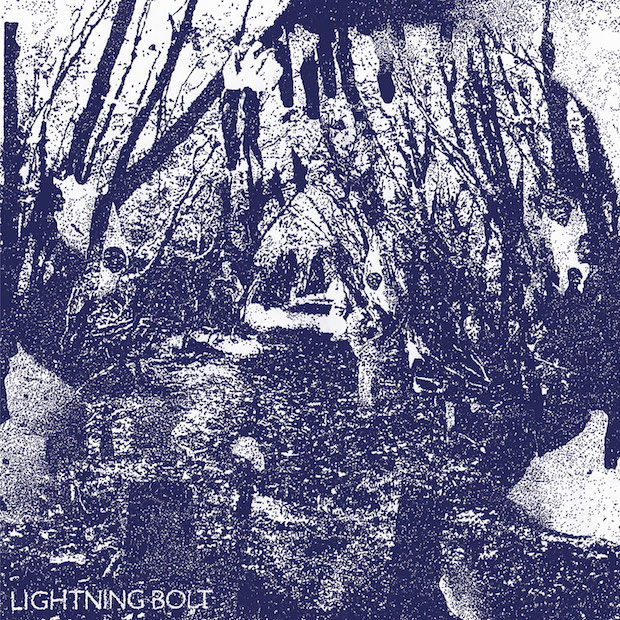
Lightning Bolt – “Fantasy Empire”

Post also featured on seroword.com

Grade: B

Key Tracks: “The Metal East” “Mythmaster”

Lightning Bolt is 21. Lightning Bolt is living on its own, balancing school and work. Lightning Bolt can drink, vote and smoke with no consequence. On their seventh album, they embrace being 21 as an actual 21 year old might – by accepting the rigidity of adulthood, accepting the routine of routine, but not embracing it.

The band, still comprised of just Brian Chippendale on drums and indecipherable vocals, and Brian Gibson on bass guitar, give the impression they’re cleaning things up. The songs on “Fantasy Empire” feel more rehearsed. They’re more rhythmic, more practiced, more worn-in. The band even recorded in a proper studio for the first time in years. This is a trajectory most bands tend to follow – they’re crazy while they’re young, but once they get a taste of success they straighten themselves up. But, Lightning Bolt has been unpredictably successful for many years, so to hear a more straight-forward, repetitive version of the duo is surprising, to say the least.

Or at least, that’s what they want us to think. Lightning Bolt’s rigidity on “Fantasy Empire” is only surprising because we’re used to their wild inconsistencies. Their songs weren’t improvised, but they sure damn sounded like it. 2005’s “Hypermagic Mountain,” one of the albums that got me into noise music, is an hour of Chippendale beating the drums into submission and Gibson shredding wildly. On “Fantasy,” there’s central rhythms and tempo changes. The vocals are rhythmic and coordinated (if not still wholly indiscriminate). But they’re still the same band. On opener “The Metal East,” the band rages on like an ambulance driver in a snowstorm – an experienced one.

The Brians were really just growing tired of the recording process and wanted a change. “Fantasy Empire” is their first album since 2009, and some of these songs have been in their concert rotation since 2010. Musical maturity is a different route for the band. Sometimes, it works, like the sudden tempo change and crescendo on “Mythmaster.” Other times, like on “Horsepower,” the lack of insanity leaves them focus-less. More often than not, things come together. The band nods to metal, like on “Runaway Train,” and to pop, like on the surprisingly rhythmic vocals of “Over the River and Through the Woods.” They’re more leveled, letting you know when you’re going to be assaulted and by which instrument. Things come together more, there’s a semi-structured cohesiveness. And the level to which the listener finds it either off-putting or a breath of fresh air, is really up to the listener. It does leave a hole, as they begin to sound like the bands they’ve inspired. But it’s a small hole, because even in it’s maturity, Lightning Bolt is still a 21 year old band – not yet rid of a few pranks, a few tricks up it’s sleeve, and a whole lot of energy.

If you like this, try: The best recent comparison to “Fantasy Empire” is Melt-Banana’s 2003 “Cell-Scape,” where they held back and wrote catchier, more accessible songs – and in doing so, their stance as the most ferocious band on Earth was only heightened, through the power of planned blasts instead of a full-on attack.

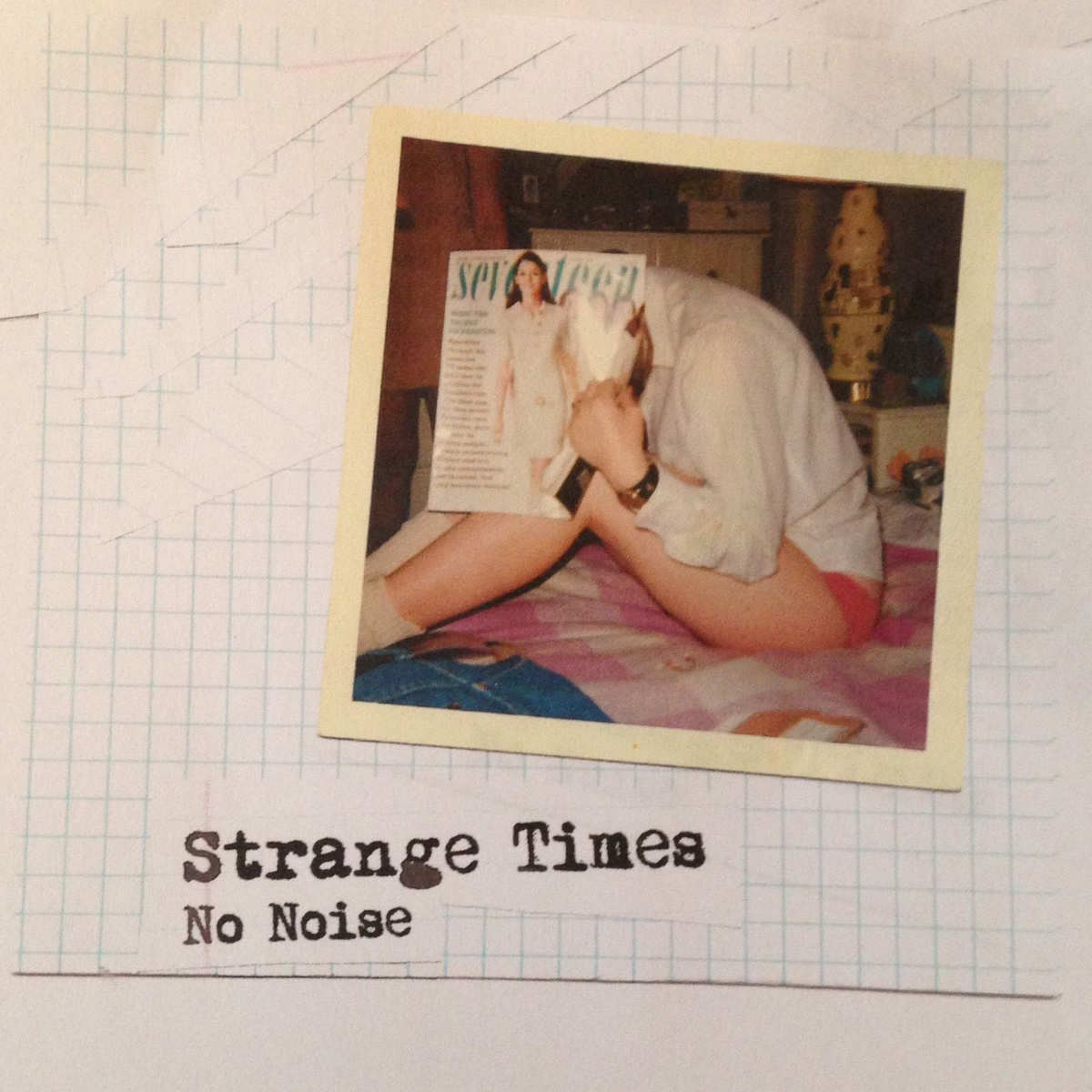
No Noise – “Strange Times”

Grade: A-

Key Track: “People Downstairs”

The best attribute of young rock bands is usually their youthful energy; No Noise is no different. Coming from (possibly a garage in) Montclair, New Jersey, the five-piece alt-rock band is marked by their 90’s influenced, energetic alt-fuzz.

“Strange Times” is led through battle by singer Mika, whose vocals dominate the EP. She rarely flourishes, instead letting her strong vocals fit within the music. She owns tracks like “Blisters” and “People Downstairs.” She complements the band behind her, with an energy that lifts them past similar, settled bands.

The five-piece, which also consists of Sam and Alec on guitar, Max on bass and Joe on drums, are younger than this reviewer – significantly younger. This bleeds through onto “Strange Times,” which benefits from a general aversion to metrics and structure. The band does conform to relatively standard rock structures, but they have a loose, almost practiced-sloppiness to them. Intentional or not, they’re reminiscent of early ’90’s acts like Built to Spill or ‘Blue Album’ Weezer in their rehearsed garage feel. Equal parts grunge and surfer, No Noise are able to tone it down, like on the bluesier “Play Dumb,” and are more than capable of kicking it back up, like on “People Downstairs.”

Lyrically, No Noise seem to be pretty straightforward, sticking more to a rock structure than the music might. And that’s alright, because they fit within the context of the songs, and the focus is stronger on the music and vocals anyways. And when it all comes together, it’s largely successful. “Strange Times” is an EP that demands replays, and it gets better with each spin. Their influences may lie in the greats, and they’re picking and mixing the best parts of each. No Noise have an open road ahead of them, and “Strange Times” is just a revving of the engines.

Stream the album on Spotify or on their Bandcamp page.

If you like this, try: Pavement, at their more guitar-heavy times.

-By Andrew McNally

Will Butler – “Policy”

Grade: B+

Key Tracks: “Take My Side” “What I Want”

The idea of a “frontman” is one that dominated classic rock – everyone remembers Freddie Mercury, some people know Brian May’s name, not many people know Roger Taylor and John Deacon. But it’s a status that’s become outdated in the indie age, with alternative bands working more as units rather than musicians waiting for their chance to show off. Arcade Fire hasn’t melded with this change in pace. When a casual person thinks of Arcade Fire, they think of the frontcouple – Win Butler and Regine Chassagne. This is probably because Arcade Fire is huge, there’s six members (seven until recently), and everyone plays multiple instruments. So the band has an indie collective feel, like Broken Social Scene or the Polyphronic Spree. But they’re not, they’ve had a pretty core line-up since Funeral. What this has led to, in succession, is the other members besides Win and Regine trying to make their voices heard. Recently departed violinist Sarah Neufeld released a solo album in 2013, followed closely by multi-instrumentalist Richard Reed Parry. Now, Win’s brother is having his say. Will Butler, who is officially credited with playing “synthesizer, bass, backing vocals, guitar, percussion, sitar, panpipes, trombone, omnichord, glockenspiel, concertina, double bass, clarinet, gadulka and the musical saw” throughout his time in Arcade Fire, has released his first solo album.

As one of Fire’s two remaining crazy members (along with Parry), what we get from “Policy” is Butler’s contributions to Arcade Fire – one slice of the puzzle extracted, and propelled forward until it becomes its own being. “Policy” is often poppier, faster and more lively than Arcade Fire’s music. At 27 minutes, it’s a brisk outing, one that highlights the album’s quickened, but not unruly pace. A majority of the eight tracks are simple guitar-based indie, akin to the solo work of Brendan Benson. It’s a type of indie that is usually successful just because it never has to ask for any sort of originality to work. But “Policy” does still have some original things going on around it. On what’s maybe the album’s best track, “What I Want,” Butler sings wild lyrics around a vocal rhythm that keeps crescendo-ing. Remove the sweet indie sound the goofy lyrics, and it’s a noise-rock template.

“Policy” demands no comparison to Arcade Fire, in either its size or its scope, but it’s hard not to make comparisons. Will does, at times, sound like his brother. And occasionally the rhythms either cool down enough to resemble the band, or they build enough complexity to sound denser. But the album’s biggest difference might be in the lyrics. Butler’s lyrics aren’t at all similar to Arcade Fire’s cold, emotional odes. They wouldn’t fit on an album that leans more to enjoyable than painful. Instead Butler sings lines like “If I could fly / I’d beat the shit out of some birds” on opener “Take my Side,” and on “What I Want,” singing “I know a great recipe for pony macaroni.”

The album’s two outliers are the synth-y and sax-y second track, “Anna,” which almost feels like a red herring. It acts like it’s going to set a tone for the rest of the album, but Butler instead treats it like a song he’s doing for himself to get it out of the way. The biggest outlier is “Sing To Me,” a piano ballad. It’s an effective, low-key piece, and it’s got a strong, haunting tone to it, but it doesn’t really fit on “Policy.” The audience is never really set up for a ballad so soon – even as the penultimate track, it still comes after only 21 minutes.

Still, there are no bad moments on “Policy,” and even though it isn’t entirely effective as an original work and Butler doesn’t quite possess the independent power of being a solo musician, it’s a fun listen throughout. It takes a stance alongside but completely separate from Arcade Fire, and helps to signify Butler’s important position in the group.

If you like this, try: Brendan Benson’s 2012 album “What Kind of World.”

-By Andrew McNally

Imagine Dragons – “Smoke + Mirrors”

Grade: D

Key Songs: “Gold” “Trouble”

Imagine Dragons are what I like to call a “placeholder” band. They’re a band that comes out, plays a few selections of music that’s popular right now for a while, and disappears. They’re like a lounge singer who’s actually got some talent and creates original music. Problem is, there’s no point to the music. The gold medal placeholder band has been Muse, for years, but it’s been a few years since that last album, and that last album was bad even by the most forgiving of objective standards, so America turned to someone else. Along came Imagine Dragons – loud, bland, talented, unoriginal, (white,) and willing to play whatever will get them on the radio. Their sophomore album, “Smoke + Mirrors,” is just that. I mean, exactly what you expect.

Imagine Dragons have built themselves a weird, contradictory niche. They exist in a world where they’re both daring – for going outside of any one genre – and not daring whatsoever. They try a whole number of things on this album, but they’re all things that have been done before. And no, bands don’t always have to be original to be successful; if that were the case, AC/DC would’ve been out of business in 1976. But Imagine Dragons are too exciting to be repetitive; too repetitive to be exciting. It’s a weird discord, and I honestly don’t know if I’ve seen any band fall into this rhythm before.

The result, from someone who isn’t a fan, is that it sounds like Imagine Dragons are pulling songs straight from the oven and feeding them directly to the radio. That’s not entirely true, of course, they weren’t planning on 13 singles. But every song on this album – regardless of genre – is dead-set on radio. There’s nothing challenging, nothing that isn’t self-serving, not a single thing you don’t expect from Imagine Dragons.

“Smoke + Mirrors” has to be reviewed on a track-by-track basis, because there are some surprisingly good tracks. Second track and second single “Gold” really isn’t a bad song; it follows a hip-hop beat, possibly inspired by their great Grammy’s performance with Kendrick Lamar last year. And once the band flows through all the loud stuff they want to do and settle into toned-down tracks, we get two more good songs – “Trouble,” a somewhat fun and rhythmic song with no declarations, and “Summer,” a decent ballad. There’s also “Friction,” at the halfway point. “Friction” is centered around an Eastern stringed instrument and has an urgent feeling to it that no other song on the album does. It’s Imagine Dragons at their heaviest and most inclusive, but that’s still not overly impressive.

And when this album is bad, it’s bad. The lyrics throughout the whole album sound like words picked out of a radio rock lyric generator. The album’s opening line is “I’m sorry for everything I’ve done,” and it’s done in a way that makes it sound like an ‘edgy’ way to start an album. But it’s not (may I direct you to these opening lines?), and they almost never work. They never turn the volume up enough to be interesting, they never fully commit to hip-hop beats, and they don’t fully adhere to their ballads. They’re trying many things, and if they spent time expanding one sound, it could be strong. They’re clearly talented musicians, but it almost always sounds like they’re restraining themselves for fans.

There’s also the issue of ripoffs. I found three, without actively looking. The most subtle (and likely accidental) is in “Trouble,” which shares too many similarities to Linkin Park’s (yep) “Nobody’s Listening.” The less accidental are vocal and lyrical nods to the Steve Miller Band’s “The Joker” in “Polaroid,” and to Pat Benatar’s “Heartbreaker” in “Smoke and Mirrors.” They’re surely done in appreciation, but they don’t sound like it.

“Smoke + Mirrors” is sure to delight fans of placeholder bands, and probably won’t win anyone over. Imagine Dragons grabbed fans early, whomever would jump on, and don’t want to let go of them. So they’re exploring the boundaries of popular music from the inside, never straying out of sight of the listener. Don’t like the way this one’s done? Don’t worry, it’s over in four minutes. It’s a dull album, lacking in almost every component, with only a few redeeming songs.

So, More like UNImagined Dragons, amirite?!?!

If you like this, try: Don’t worry, teenage years are tough on everyone, it’s not just you.

A few words on Marilyn Manson’s “The Pale Emperor”

Grade: B-

Key Tracks: “Third Day of a Seven Day Binge” “The Mephistopheles of Los Angeles”

I have a distinct memory, in 2007, of downloading the lead single from Marilyn Manson’s ’07 album “Eat Me Drink Me,” called “Heart-Shaped Glasses.” I downloaded it, and realized that I was a seventeen year old grabbing a song from someone who relevancy had left behind years ago. I don’t know what I did next, but the realization of adulthood crept in so I probably bought a checkbook or scheduled a doctor’s appointment by myself or something. It’s now eight years later, and Manson’s name has been written into the history books as a somewhat flash-in-the-pan shock-rocker from the 90’s. But it’s time to make that edit.

I wasn’t planning on reviewing this album. I didn’t even know if I’d listen to it. I keep a running tab on new albums throughout the year and listen to whatever I can – Dylan’s covers album isn’t on Spotify, and Mark Ronson wasn’t tickling my fancy today, so I just threw on “The Pale Emperor,” remembering it had been getting more press than his previous few albums. I don’t know the last time I listened to a Manson album in full; I’m not positive I ever have. But I’m glad I did, because I’m finally getting the Marilyn Manson I’ve always wanted to hear – the real Marilyn Manson, the real Brian Warner.

My problem with Manson was that it never seemed real – he wore weird make-up, but so did Alice Cooper. He sang about hating people and culture, but so did everyone else. He sang about sadistic things, but so did Black Sabbath, and Iron Maiden. And when school shooters started admitting their love for Manson, he was forced to break facade and tell people not to do that. His music was meant to shock, but it was way, way too melodic. Whistle “The Beautiful People” to yourself right now. I bet you can. The Dead Kennedys were more violent and sloppier, and you can’t say that Manson would strike any nerves musically that Nine Inch Nails or, hell, Merzbow hadn’t already.

Manson fell into irrelevancy, once we all accepted his existence and decided to turn him into the butt of jokes instead of the envelope-pushing musician he was trying to be. And although the band has been releasing albums this whole time, “The Pale Emperor” is the first time we’ve seen Manson as a musician. The album doesn’t always turn the volume up; it’s poetic, melodic and, at points, bluesy. It’s even occasionally a little fun, even in it’s darkness. These feel like the songs that Warner – not Manson – has been sitting on for some time, waiting for a time to record. Maybe he waited too long, but they’re a welcome change for someone who had outplayed himself and his band.

Manson sounds like he’s actually having a good time on this record, and it’s a fun we can all engage in. It’s not all great, and it’s not overly memorable, but it’s a side of the band we’ve never seen before. Song titles like “Slave Only Dreams to Be King,” “Birds of Hell Awaiting” and “The Mephistopheles of Los Angeles” sound like typical Manson, but they’re not – because he’s not aiming for radio anymore. Manson – and the band – have finally hit the point where they don’t have to fight for hits any longer. People are either in it for the long haul, or they’re not.

I was never onboard the Manson train, I was a little too young, but this album excited me. I’ve always seen the band’s problems being the forefront of their music and their actual music on the backburner, and that’s finally switching. I titled this review “A few words on Marilyn Manson’s “The Pale Emperor”” because I wanted to talk more about his legacy than the album itself (and because I didn’t expect to go on this long); I’m not that familiar with his discography and how different this album really is. But it is a breath of fresh air from a musician who is finally able to be comfortable with himself. No forcing, no goals, and only the theatrics he wants – “The Pale Emperor” is still a dark, heavy album, but it’s finally one by Manson’s standards, not one by society’s.

-By Andrew McNally