Well, kids, it’s that time of the year. This year has been brutal on all of us, but at least we got great music out of it, in every genre. 2016 was honestly so great that I had trouble cutting things out of my top 75 – and it’s not like I listened to that many albums this year. So, without further adieu, is my top albums of the year. I don’t think I’m able to form a proper order, even for the top handful. Therefore, I have formed two tiers, for 75-31, and 30-1. If your favorite didn’t make the cut, I possibly didn’t like it, but probably didn’t get to it. But here, 75 great releases for you to bask in:
Tier II: (75-31)
Anderson .Paak – “Malibu”
A man who had a breakthrough year, Anderson .Paak effortlessly and energetically fuses many different genres on an extremely fun release. “Malibu” is one of the only albums to give pure joy in 2016.
ANOHNI – “HOPELESSNESS”
Easily the most political album to grace the mainstream this year, ANOHNI touches on subjects not universally recognized in other political works. “4 Degrees” addresses climate change, where “Drone Bomb Me” and “Obama” criticize our beloved but faulty president.
BABYMETAL – “Metal Resistance”
The concept is a tough sell – three teenage Japanese girls singing heavy metal. But it works. The girls clearly have the energy, focus and ambition, and their backing band is surely talented enough to hold against more “traditional” metal bands. Rob Zombie-approved.
Bleached – “Welcome to the Worms”
Bleached took the opposite approach of many punk bands – they ditched their only male member and strengthened their sound. Their previous, sun-drenched 60’s sound was eschewed for a sturdier 70’s punk throwback, with a shoegaze style production. One of the highlights in a year of great feminist punk records.
Blood Orange – “Freetown Sound”
One of the best R&B albums of the year hits many different targets. It’s often as political as it is lovely. And with a wide array of guests from Debbie Harry to Ta-Nehisi Coates to Carly Rae Jepsen (see below), it’s a full force. While this type of music usually isn’t my forte, I was still engrossed for every second of it.
Seth Bogart – “Seth Bogart”
The first proper solo album from the Hunx & His Punx singer strays far from the band – an indie-pop art/music odyssey centered around the fake lifestyles celebrities must adapt, complemented by a cheap keyboard and auto-tune. Think a better Ariel Pink.
clipping. – “Splendor & Misery”
Hamilton, this ain’t. The main project of Daveed Diggs, now-Broadway star, released their second album, a hip-hop odyssey about a slave traveling through outer space. It’s inconsistent to say the least, but when Diggs lets go, and when the band rallies with music that borders on pure harsh noise, it sounds like nothing else that came out this year.
Crying – “Beyond the Fleeting Gales”
Crying bypassed their chiptune upbringing and instead released an album of 80’s glorification – the emotion of 80’s alternative, mixed with the energy and confidence of hair metal. Pretty interesting for a band whose previous album featured a Game Boy as a main instrument.
Death Grips – “Bottomless Pit”
One of my favorite groups of the past few years, Death Grips always shock and surprise with their new albums. Although this one doesn’t hold up to many of their previous releases, the sheer volume pushes and constant flow still make for one of the more interesting rap albums of the year.
Deftones – “Gore”
Sixteen years after their excellent album “White Pony,” Deftones have finally delivered another great release. In typical Deftones fashion, it came from in-fighting that nearly dissolved the band. But singer Chino Moreno’s push for more experimental music against guitarist Stephen Carpenter’s push for heavier music resulted in the disconnect that permeates this, their eighth album.
Dillinger Escape Plan – “Dissociation”
The mathcore legends went out on a high note, with a brutally loud final album that cements their legacy. The album is jampacked with tonal left turns, ruined hushed moments, incomprehensible guitar riffs and dense layers of musicianship. It’s everything you want from a Dillinger Escape Plan album.
DJ Khaled – “Holy Key”
Put DJ Khaled down for having the album with the best guest spots of the year; Drake, Kendrick Lamar, Big Sean, Future, Jay-Z, and Nas are just a handful that show up to work with the influential producer. Songs aren’t so much framed around Khaled’s beats as they are the strengths of the guests, which leads to many diverse, enthralling songs.
Future of the Left – “The Peace & Truce of Future of the Left” and “To Failed States and Forest Clearings”
One of my favorite bands dropped a good album and a great E.P. The album, “Peace & Truce,” saw the band taking a more math-rock, trust-testing approach, with guitar riffs that edge closer to incomprehension than convention. The E.P., meanwhile, was a more familiar approach to the band’s viciously loud post-punk songs.
Gojira – “Magma”
One of the best bands in all of metal had been striking closer to rock radio. Once the mother of two of the band’s four members fell ill and passed away, they took an even more subtler approach. The album is typically well-written (there’s only a handful of dull songs in the band’s discography), but is atypically conventional, to the point where it picked up Grammy noms in rock categories.
Gucci Mane – “Everybody Looking”
Gucci wasted *no* time after getting out of prison – he recorded and released a song within 24 hours of its release. His follow-up album was his first great release in years, after many tread-water mixtapes from prison. Happier, sober and free, Gucci introduces a new version of himself – but in a typical southern style.
Hinds – “Leave Me Alone”
One of the first notable releases of 2016, and unfortunately washed under everything else since, was the debut from the Spanish indie-pop group. It’s a slight album, one that focuses on individual notes in a way similar to The xx. It’s nothing revolutionary, but it’s a fun debut, and it’s clear the band put effort into every song.
Carly Rae Jepsen – “Emotion (Side B)”
Carly Rae Jepsen’s 2015 album “E*MO*TION” proved such a hit that she released an EP of songs that didn’t make the cut. Even these songs – especially “Cry” – would be a standout for other singers. Truly a great pop icon of our time (buy her album!!).
Kvelertak – “Nattesferd”
One of the year’s best metal albums comes, unsurprisingly, from Norway. Kvelertak forego recent trends in metal and instead put out fiercely driving garage rock, updated for an age where Deep Purple aren’t revolutionary, just great. If the Vikings existed today, they’d eat up this album.
Kendrick Lamar – “untitled unmastered.”
Much like Carly Rae Jepsen, K-Dot’s 2016 release was a continuation of his wild 2015 album, “To Pimp a Butterfly.” Only he took ideas cut from the album and turned them into a small-serving E.P. that flows. It’s minor, but often incendiary, and proof that Kendrick can take even fragments of songs and make something extraordinary out of them.
Metallica – “Hardwired…to Self Destruct”
Though far overlong, repetitive, and burdened with a terrible title, Metallica’s first album in nearly a decade is also their best album in nearly three decades. At its best, the band matches their 80’s highs of frantic energy, huge guitar solos and destructive lyrics. It’s the first time that Metallica sound like they’re enjoying themselves in…too long.
Mitski – “Puberty 2”
Mitski’s breakthrough is a diverse and brutally honest indie album, one that balances restraint with heavy lyrical topics. Even more contradictory, Mitski forces herself into complete control, through the use of subtlety and occasionally awkward themes.
Marissa Nadler – “Strangers”
A beautifully dark, ambient and absent indie/folk record from someone who has proven herself at those kinds of things. It makes sense that Nadler is signed to a label that prioritizes heavy, brooding rock – her’s just takes away the volume.
Oathbreaker – “Rheia”
A brutally heavy metal album brings fury in unpredictable doses. Various tracks feature regular vocals and even acoustic guitar, but the doses of volume get longer and longer as the album goes on, so a black metal hangover emerges by the end. Oathbreaker grab the torch in a recent, necessary trend of black metal bands breaking formulas and providing emotional and shocking records.
Frank Ocean – “Blonde”
Admittedly, I just don’t have the same attraction to Ocean’s music that most people do; echoing my note on Blood Orange, it’s just not really my thing. But after a long absence, Ocean’s album still delivers in a very diverse, dark and minimalist set that immediately makes you forget how long you waited for it.
Angel Olsen – “My Woman”
Angel Olsen continued her trend of creating folksy indie rock songs that border on The Flaming Lips as much as they do Florence & the Machine; as in, they jump from being humorous to emotional, short to lengthy. She also continued her trend of getting better with each album.
Panic! at the Disco – “Death of a Bachelor”
My head grew and shrunk three sizes when I realized I was enjoying a Panic! at the Disco album, something I’ve never done before. But this album is a circus affair; grandiose and attractive, like a Vaudevillian set without seeming too forceful about it. It is flamboyant, in a non-flamboyant way.
Pinegrove – “Cardinal”
One of the only noteworthy breakthrough rock albums of the year barely qualifies as such; the band’s lowkey mix of lo-fi and emo makes for an honest and subdued record, that’s still filled with excellent musicianship. It takes a bit to get into, but it’s more than worth it.
Rae Sremmurd – “Sremmlife 2”
Although it loses steam towards the end, the first half of the Brown brothers’ second album is filled with some of the year’s best party tunes, with enough diversity to make each one different. Some of the only musical joy of 2016 came from “Sremmlufe 2”
Red Hot Chili Peppers – “The Getaway”
The weakness of every RHCP album prior to this one (10 of them) was an inability to make the less funky songs interesting. This, more than almost any other RHCP release, feels like a cohesive album with actual effort put into every song, not just the potential radio hits. It’s a very chill album, too, with little action in a high volume.
ROMP – “Departure From Venus”
Around a year ago, I caught this band at a small gig in Boston and they blew me away. They followed suit with an excellent little pop-punk record that strays closer to the latter than the former. Keep this name in your heads, and find it on Bandcamp.
Paul Simon – “Stranger to Stranger”
Using world music has always been a crutch for Simon – and not always with a good result. But this album is littered with South African rhythms and South American drums, and even uses a clock as an instrument in one song. With quick songs, hushed music and upbeat rhythms, it’s one of Simon’s better albums.
Sum 41 – “13 Voices”
It’s been a long time since Sum 41 released a decent record, but the band has gone through some changes – frontman Deryck Whibley was hospitalized with liver and kidney failure (as a result of excessive drinking), and founding member Dave Baksh re-joined. The result is an album far heavier than any in the band’s heyday, a punk-metal trip that’s corny, but effective.
Tacocat – “Lost Time”
Another great feminist punk album this year came from Tacocat, whose rhythmic and deceivingly-joyful album included excellent track titles like “Men Explain Things to Me” and “Dana Katherine Scully.”
Tove Lo – “Ladywood”
While I wasn’t too into Tove Lo’s debut album, her sophomore release was a more well-crafted pop record, with an inexplicable appeal to it like a smell in an old cartoon that makes someone float into the kitchen. It isn’t the most memorable album, but as a whole, it really draws you in as the world around you disintegrates.
Vektor – “Terminal Redux”
A thrash metal concept album about an astronaut finding, and then canceling immortality is not exactly everyone’s cup of tea. But if it’s yours, this is one head-bashing record. It’s a mammoth of pained vocals and guitar shredding, all in a palpable sci-fi setting.
Weezer – “Weezer”
Weezer’s fourth self-titled record (this one, white), isn’t as memorable as their first two albums – but it’s the best one since then. Weezer’s best songs are usually feelgood fuzz-pop for a summery day, and this album is full of them.
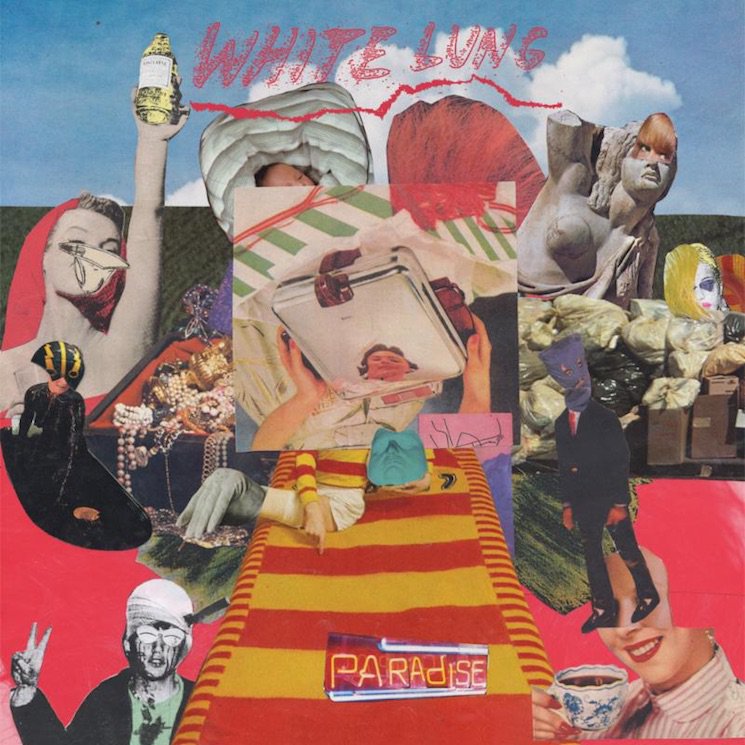
White Lung – “Paradise”
White Lung’s 2014 album “Deep Fantasy” is one of my most-spun and favorite records; it uses sheer volume and ferocity to impress. This album, though, only strategically deploys those ferocious moments, against slower songs (even a few ballads!) The lyrics, meanwhile, approach even darker (and memorable) territories, even with the recent marriage of Mish Barber-Way, using that event to craft murderous timelines.
Young Thug – “JEFFERY”
Thugger’s third mixtape of the year didn’t reinvent the wheel, just turned it very, very well. It is packed full of great lines, youthful energy and well-placed guest spots. Every track is named after one of Thug’s idols (and, uh, Harambe). And the mixtape’s cover is easily my winner for Album Cover of the Year.
Tier I: (30-1)
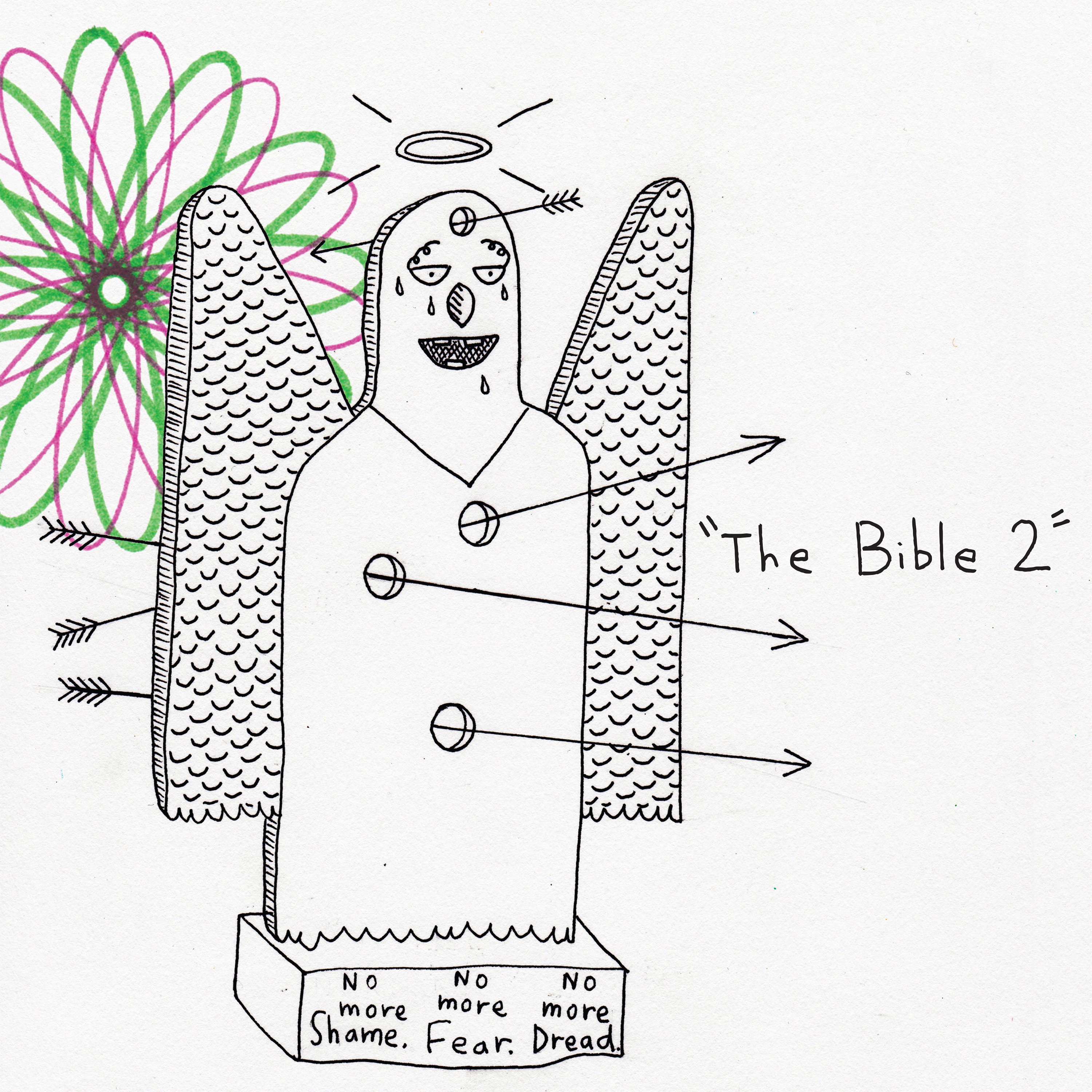
AJJ – “The Bible 2”
AJJ made a long-overdue rebranding by shortening their name and flattening out their sound. Their albums had seen the band move more progressively towards actual songwriting, instead of just furious and ceaseless acoustic guitar strumming, and the transition feels complete here. There are throwbacks to earlier albums; “Terrifyer” could have been 2006-2011, and “Cody’s Theme” and “Goodbye, Oh Goodbye” could’ve been 2011-2015. But there’s more drawn out songs, with slow pieces and delayed themes. It’s a good mix of old and new for a band that – love them as I do – took a little too long to grow up.
Beyoncé – “Lemonade”
What is there to say about the best album of the year? Bey’s concept album sees a narrator, presumed as herself, going through stages of grief after being cheated on. There’s sadness, anger, regret and acceptance. The eventual acceptance zooms way out, with Beyoncé putting her own issues aside to call black women to arms against more widespread injustice. Conceptual, convulsive and controversial, “Lemonade” showcases Beyoncé at her prime. It even zips through different genres, racking up bizarre guest spots and songwriting credits – Jack White and James Blake pop up, and everyone from Led Zeppelin to Ezra Koenig to Burt Bacharach get credited. Fans nitpicked lyrics trying to figure out specific details about Bey and Jay-Z’s relationship – because Beyoncé sells her material so well that everyone just assumed it was autobiographical. It could all be true, it could all be fiction, it could be inspired by something that happened. All we have to go on is Becky with the good hair.
The Body – “No One Deserves Happiness”
Easily the most unsettling album I listened to this year was this behemoth. The metal duo’s full-length nightmare is often punishingly heavy, but can stop and start on a dime. With pitch-black lyrics (look at the album’s title again), hammering drums and guitar overload, it can be a lot to take in. And that’s before I mention the vocalists – Chrissy Wolpert, longtime collaborator, shows up on multiple songs, adding cold beauty to the noise around her. This complements vocals by Chip King, who shrieks like a rooster at full volume in a way that does not ever get comfortable. I only discovered this band this year and haven’t yet heard their previous albums, so let me just say – I’ve never heard anything like this before.
David Bowie – “Blackstar”
Oh, boy. About a year later and it still hurts to listen to this album. But what an album it is – Bowie’s last album (intentional or not – designed as a goodbye, but Bowie allegedly worked on some demos about a week before his death) is his best since “Let’s Dance” and his most artistic since “Low.” With references to biblical figures and 17th century literature, it’s really just Bowie letting himself go. The album skirts on being conventional, but often opts instead for jazz infusions and experimentation, which demands many listens. This isn’t only one of the best albums of the year, it’s one of Bowie’s best albums, and an album we’re going to remember for decades.
Danny Brown – “Atrocity Exhibition”
When you’re a deeply respected rapper with some ties to the mainstream, you’re really sending a message when you name an album after a Joy Division song. But “Atrocity Exhibition,” like the work of Joy Division, is an astonishing and uncomfortable roller coaster that jumps wildly between ecstasy (both emotion and drug), terror, apprehension, and a mix of all. Brown usually details his nightmares, but on “Exhibition,” he lets us live them, in an up-and-down, jarring ride. It’s not always comfortable, but it’s always great. Brown is one of the best rappers in the world right now – and certainly one of the most unpredictable.
Car Seat Headrest – “Teens of Denial”
One of the year’s two best indie albums, and the only one from a relative newcomer, is a 70 minute guitar epic that jumps between tightly-wound fuzz jaunts and extremely longwinded, Dylanesque tracks. The result is not really knowing what to expect next. The album’s longest track is just over 10 minutes longer than the shortest. And there isn’t a moment to lose – the longer songs (in general my favorites) are often slowburning and tantric, spending minutes building to a big chorus or musical peak. Will Toledo, frontman and former-sole-member, is a master lyricist. The album is filled with hyper-specific lyrics that would border on being worrisome, if they weren’t so often tongue-in-cheek.
Chance the Rapper – “Coloring Book”
One of the only joys of 2016 was watching Chance’s meteoric rise to stardom. He used a spot on Kanye’s album to mention his forthcoming mixtape, and built it up so much that it had to deliver to keep his career going. Thankfully, it does, and more so. Although the album does see Chance slip into brief moments of contemplation or reflection on the evils of the world around him (especially in Chicago), it is largely a time for rejoicing and celebrating. Fun beats and funky rhythms bolster lyrics that hit a wide range of lyrics and emotions, but ones that are usually delivered in Chance’s infectiously gleeful attitude. Life can be a party sometimes, and Chance is here to remind us of that. So pure. We don’t deserve him.
Leonard Cohen – “You Want It Darker”
Cohen didn’t necessarily predict this album to be his last. Although in an interview he said he was ready for death, he later clarified that he meant he had lived a full life, and wasn’t ready – only to die a few weeks later. Whatever his intentions may have been, the album sees Cohen removing himself from social situations and prepping himself for death. The title track and “Treaty,” which comes up later as a reprise, seem like a demand to be taken by God. “Leaving the Table,” meanwhile, is the ode of someone reluctantly leaving. I’m still not quite sure what to make of this record. You do you, Cohen.
Crystal Castles – “Amnesty (I)”
A little bit before this album was released, I made a comment to someone about how I thought it was wrong for Ethan Kath to continue the band without Alice Glass. I was wrong – the replacement he found in Edith Frances is not only great, but provides a foil for what Glass’s strengths were. Frances is more than content to let her voice slip into the music, complementing Kath’s manic beats instead of fighting for attention. Not to say Glass holding her own was bad – it was just as good. But Kath & Frances did well to introduce a new singer by flipping the switch on the formula. The album’s most manic synth tracks are among my most-played of the year, and this album sits comfortably at my third most-played new album of the year. If you liked the old Crystal Castles, the new image is nothing to scoff at.
Dinosaur, Jr. – “Give a Glimpse of What Yer Not”
Dinosaur, Jr. are at their very best when they’re doing just punchy rock songs. Their 90’s albums set aside time for J. Mascis to experiment with other ideas, and it was never bad. But when the band is locked and loaded, they’re at their prime. “Give a Glimpse” is just that – eleven great rock songs. The band’s biggest problem in the past was overlong songs, even in some singles. But there isn’t a wasted moment on this album, which cuts downtime. It’s just great guitar riff after great guitar solo. As usual, Lou Barlow sings two songs, very well-placed on the album. And the lyrics, with some patience, are among the band’s better outputs, too. Mascis sings about loneliness as a constant theme, with Barlow’s two contributions fitting in. It’s one of the band’s best records yet, and a strong contender for my personal favorite of the year.
DJ Shadow – “The Mountain Will Fall”
Through 12 songs, DJ Shadow puts on just about 12 different masks. This album’s strength is diversity, and every song on this album is distinctly different from the next. The opener, titled the same as the album, is a somewhat soothing, slowly moving and wavy electronic song. The follow-up track features Run the Jewels. The album continues like this, with a serious unpredictability. Some have well-sought-out features, and some are just DJ Shadow. But the whole album is ear candy for anyone who respect Shadow’s deep record collection and love of music. The multitude of influences and ideas is on full display here.
Head Wound City – “A New Wave of Violence”
In 2005, two members of the Locust, two members of the Blood Brothers and a member of the Yeah Yeah Yeahs formed a noisegrind supergroup. In one week, they wrote and recorded an EP, and disbanded. In 2016, they reformed and put out a proper album. But with a decade of inactivity under their belt, the members had grown weary of noisegrind, and set their sights on traditional hardcore. Despite the name, and the lyrical content of some songs, it isn’t necessarily a dark record. There are love songs here. But there’s also volume, and violence. It is a deafening record, just one that has songs that take their time to get to that point. More than anything, the strength of this album is Jordan Blilie’s double-recorded vocals and their ability to pierce any setting. (My second most played album of the year)
Jenny Hval – “Blood Bitch”
Jenny Hval is a musician who escapes genre – even in writing about her, I struggle to call her avant-garde, noise, art-pop or ambient. She fits uncomfortably within all. It’s a space she has occupied for a while, but her new album further accentuates her standing as a conceptual artist. “Blood Bitch” is a concept album, one that equates vampirism (and cult exploitation and cinematic depictions) with menstrual blood. Every track on the album is about blood, and it never lets you get comfortable. But it’s important – especially for a male reviewer, like me – to face truths about what we do or don’t experience. This album does so in every way.
Iggy Pop – “Post Pop Depression”
If David Bowie’s final album took a tone of uncertainty towards his own legacy, his protege’s sure doesn’t. Pop’s probable final album straight up bemoans an Iggy Pop-less world in its title. Throughout the album, Pop hits every note from creepy love song, to introspective moodiness to poo jokes – his entire wheelhouse. It’s nothing more than a collection of songs, but each one is great. He’s joined by Josh Homme and Dean Fertita from Queens of the Stone Age and Matt Helders from the Arctic Monkeys, and the album is recorded in such a way that it sounds like each man is vying for attention. In reality, it’s four musicians clocked in and creating a raucous good time.
Alicia Keys – “Here”
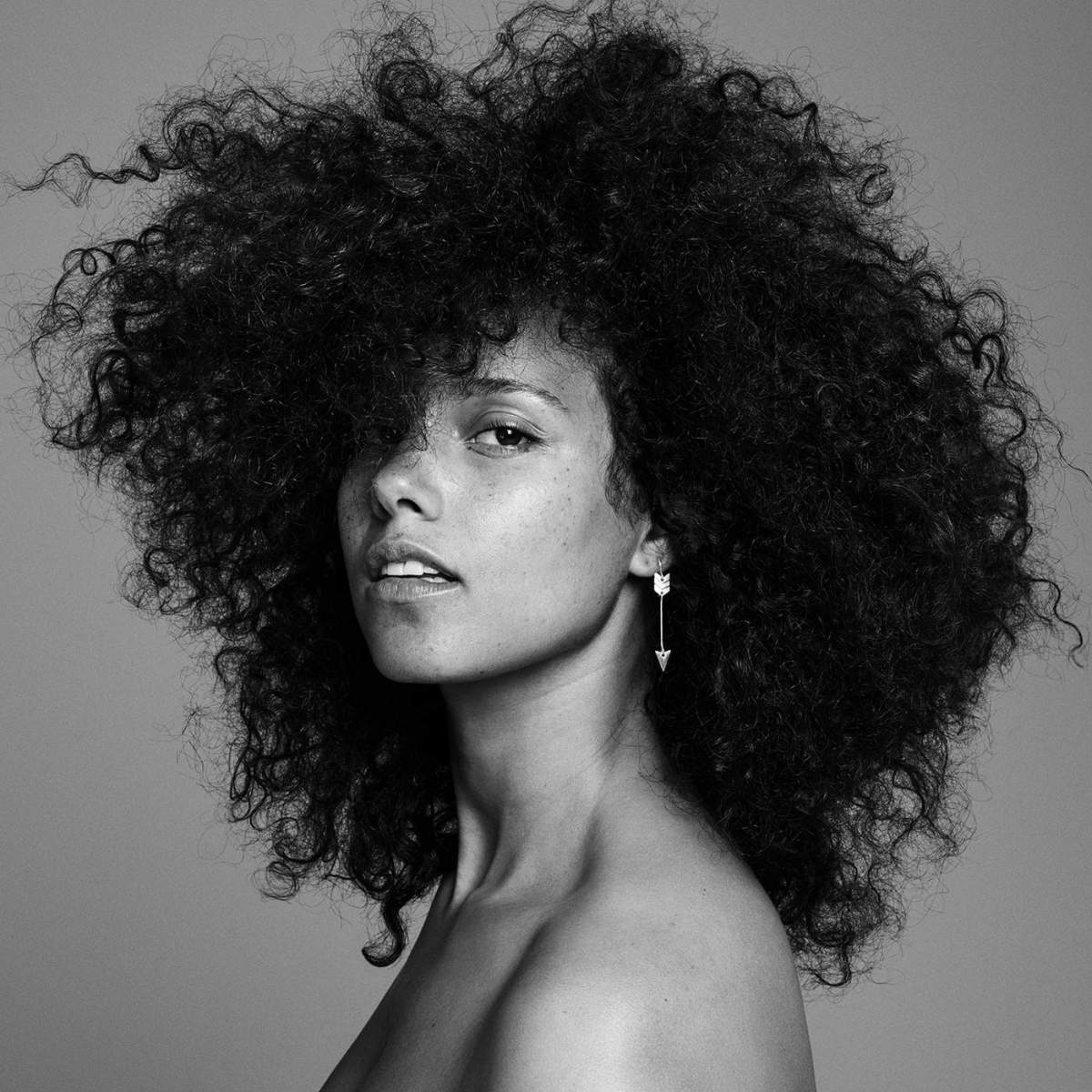
Alicia Keys put her hair up and let her guard down on a totally rebranded album suitable for 2016. Keys has made many statements about women in her music, but never as direct as she does on “Here.” The songs are more diverse in tone, influence and even length than on a usual Keys album. Like other albums this year, especially Solange’s “A Seat at the Table,” the album is framed around a narrative that emphasizes themes through spoken word skits and interludes. But more than anything, there’s a bunch of great jams here.
Lady Gaga – “Joanne”
When Gaga first arose, there was a need for a real change in pop music. Pop music demanded someone new and different. So Gaga donned a meatsuit and made music headlines. But now that time has passed, she can just be a performer now. A fool might forget that Gaga got to where she is based on the fact that she can sing; she has a voice of gold. “Joanne” showcases that – it’s not so much a Top 40 album as it is an album for both parents and teenagers to enjoy. There’s ballads and energetic tracks, in a more throwback lounge singer style. But it’s all Gaga, so it’s all worth it.
Nails – “You Will Never Be One Of Us”
Ten songs, twenty-one minutes. That sounds like a daunting record, especially before you take something else into consideration: the last track is over eight minutes long. The songs that come before it prove Nails to be one of the best crossover metal bands around right now. Their songs mix the rapidity of grindcore with the ferocity of powerviolence, into a mix of metal and punk that’s been done a million times – but never quite with the touch that Nails gives it. My vote for the loudest band in the world right now.
Nick Cave & The Bad Seeds – “Skeleton Tree”
“Skeleton Tree” is an album permeated with bad situations and unfortunate circumstances. Although Nick Cave had a personal tragedy after much of the album had been recorded, his grief still comes across like he walked into the studio moments after it happened. The prince of darkness spreads the idea of grief and forgiveness across a minimalist, difficult set of songs. It might just be the saddest album of 2016.
Phantogram – “Three”
Phantogram’s third album is a much more eclectic work than their previous album, a pleasing mix of the duo’s strengths – interesting guitar riffs, trip-hop and memorable lyrics – as well as some detours into newer territory. It doesn’t always work, but they take a more experimental approach, and hearing them leave their comfort zone is a pleasure. Each track is unique and most are some of the best they’ve done.
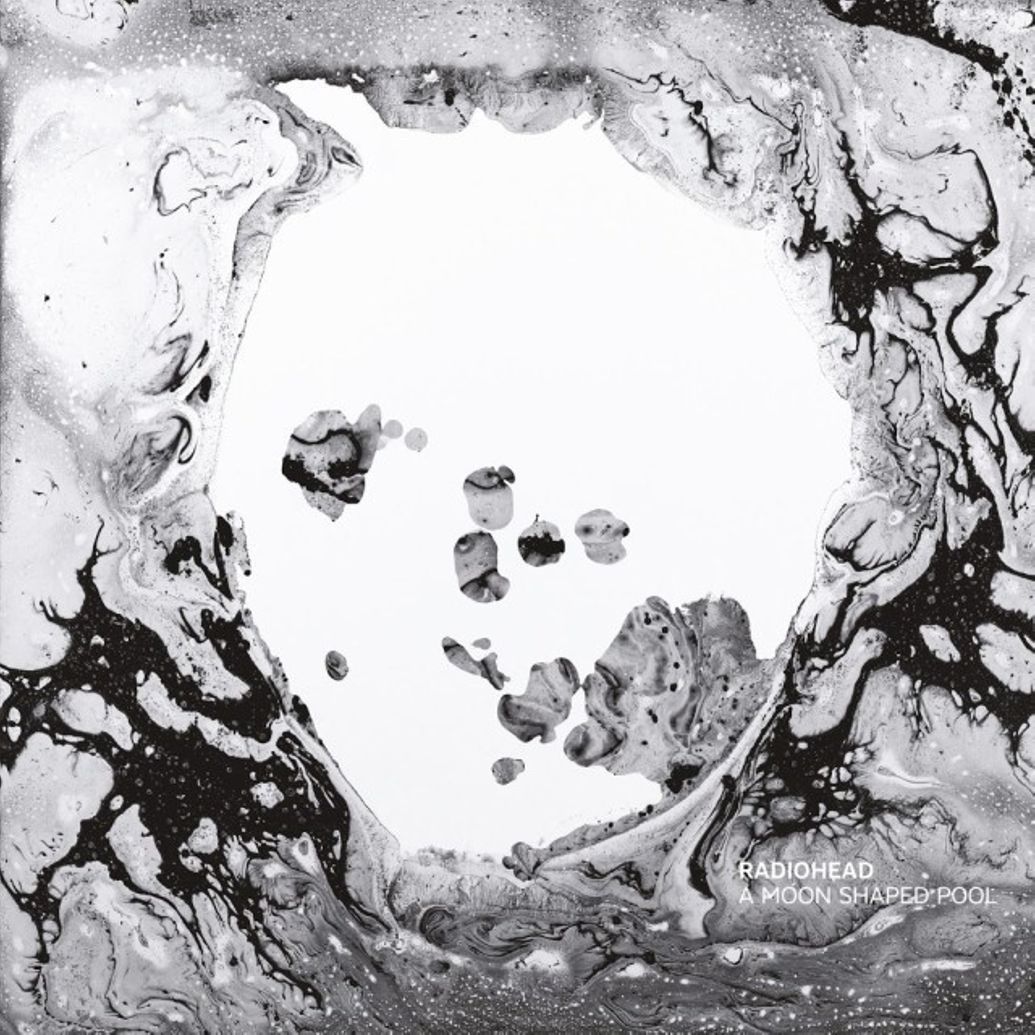
Radiohead – “A Moon Shaped Pool”
Based on recent output and general malaise from the band, it seemed like Radiohead might not have another classic album in them (or another album at all). But this album – which features multiple songs the band has played live for years, some decades – is the best the band has done since “OK Computer,” which is one of the best alternative albums ever made. Thom Yorke unfortunately split from his longtime partner, Dr. Rachel Owen (R.I.P., as she passed away very recently), and it inspired this incredibly somber, painful and dissonant work. Yorke shares his feelings with us, a departure from a band that usually works behind closed doors. Despite a disappointing title, it’s another Radiohead masterpiece.
Jeff Rosenstock – “WORRY.”
Easily the year’s best punk record belongs to Jeff Rosenstock, and not just because he’s listed as my religion on Facebook. His new album is primal – the A side is standard Jeff songs, bemoaning the changing of seasons, landlords, the closing of a legendary punk venue. And it’s all great. But the B-side, inspired by “Abbey Road,” is a collection of frantic, changing tracks that rarely last over two minutes. It’s as inspired as the best Bomb the Music Industry! records, and the most ambitious thing he’s ever attempted. And it should be noted – and has been – that it is entirely effective. It’s a punk album for people who love more than just punk.
Savages – “Adore Life”
Another strong contender for my favorite of 2016 is the sophomore album from the British post-punk band responsible for some of the most raucous shows of the year. The women in Savages took a step back from their riotous debut and leveled the playing field; this album is more thematically linked, mixing slower songs with huge climaxes with heavy, chugging guitar songs. The result is a cohesive, whirling record about love and loving life – even the bad moments, because there are many. The concept is a tricky tightrope but they pull it off throughout. (My most played album of the year! To be fair, it was released in January.)
School of Seven Bells – “SVIIB”
It’s fair to say that School of Seven Bells didn’t have a great run. Originally a trio, the band consisted of just one member when their fourth and final album came out. But Benjamin Curtis appears posthumously on the album, so the group is at least a duo. And what an album it is. Easily my favorite dream-pop release of the year, the album struck me in a way that other dream-pop albums – or bands – haven’t. This album is completely immersive, creating a dream-like state that makes it feel like you’re in the studio with the musicians. But, just as you really feel it, it gets taken away by a short runtime, and the dream is dashed. And it’s a great way for this group to bow out.
ScHoolboy Q – “Blank Face LP”
I’ll admit that I was surprised by this album. I didn’t know much about ScHoolboy Q, and while my limited knowledge of him being a profane rapper was correct, this album threw me a lot of curveballs. It’s a tonally and lyrically diverse effort, with honest and forward odes coupled with dirty rhythms and dirty lyrics. More than anything, it’s psychedelic, which isn’t a word thrown around in hip-hop too often. It’s a long LP, but there aren’t many wasted moments. C’mon TDE, where’s the ScHoolboy/Kendrick collab?
Solange – “A Seat at the Table”
One of the only people to upstage Beyonce this year was her sister, Solange. Unlike many of the year’s lengthy albums, “A Seat at the Table” is a flowing, consistently changing narrative that is as concerning as it is groovy. The album centers a handful of excellent R&B songs around spoken word interludes and short tracks, so no one idea sticks around long enough to feel comfortable. It flows like one long epic, centered around the struggles of black America today. It has memorable tracks, but it constantly disorients the listener. As I said in a different post: it’s an album meant to be enjoyed by many, but understood by some.
Vince Staples – “Prima Donna”
One of my favorite rap releases of the year is a brief, disturbing look into the psyche of Staples, one of the best young voices in the genre. The EP is unflinching, a few moments of unfiltered, uncomfortable moments like rapping about having “Kurt Cobain dreams” in a hotel. A full album of this material might be unsustainable, but in a brief dose, it feels like a bad trip down through our worst insecurities.
Swet Shop Boys – “Cashmere”
Heems and MC Riz joined together to create a quick, rapid-fire rap album that somehow flew way under the radars. Both men are at peak form, tackling racism conventions and the idea of being Indian in America. By signaling out Indian pop culture that’s big in America, like Zayn Malik, and Life of Pi, they highlight what life is really like. But it’s also fun, the duo wrote a bunch of quick bangers chock full of incredible lines and quips. Heems remains one of my favorite rappers, and he is as high-energy and funny-sad as ever here. A delight missed by most – pick this album out.
A Tribe Called Quest – “We got it from Here…Thank You 4 Your Service”
Another of the year’s best rap albums went to the only group who could truly save 2016, a group that hadn’t released an album this millennium. But they picked up where they left off – with an eclectic, jazzy, bluesy and pertinent rap record that throws away any masks and directly tells Americans what Trump’s America will be like. It only deepens the album’s impact when you learn that Phife Dawg passed away months before the album’s release. An upfront and necessary farewell from one of the country’s most important groups – we’re on our own now.
Kanye West – “The Life of Pablo”
I personally found Kanye’s seventh studio album to be like every one before it – hit-and-miss. But this time around, I have to admire his artistic ability. Kanye established himself as a true artist on this album, by ‘releasing’ the album, and then making frequent and consistent changes and additions to it on a streaming website. As a whole, it stands as art in a way no other album has. And also as a whole, it’s wildly inconsistent. Kanye’s best and worst desires are given in to. But the best tracks and the best moments outweigh the missteps, and even provide a few of the best songs to come out of West’s whole career, even if one of them is just a Chance the Rapper feature in disguise.
YG – “Still Brazy”
Another contender for my favorite rap release of the year is YG’s subtle nightmare, “Still Brazy.” The best tracks on the album are ones like “Who Shot Me?” where YG lets his insecurities filter through his usual tough demeanor. Unlike his debut, YG is imperfect here – not scared, but unsure of who his enemies are, and threatening to unload on anyone. But the album’s coda takes a serious and important left turn. The third-to-last track is the now famous “FDT,” which gets followed by two songs about police brutality. It’s a call-to-arms for the black community, to put down petty fights and turn to the bigger enemies.
The only albums I discredited from this list were Run The Jewels’ “RTJIII,” as the official release date lies in 2017, and Jack White’s “Acoustic Recordings 1998-2016,” as it featured some previously-released songs. There were also many albums I didn’t get to.
Check back in next year! If we make it that far.
-Andrew McNally


 Post-Grad Music Reviews