Sup, Muscles? – “More Feelings”

Grade: A-

Key Track: “It Totally Would Have Happened”

In an ever-growing emo scene, bands have to become more and more adaptable – twinkly guitars and lyrics about basements aren’t going to cut it anymore. It’s becoming a bloated scene, and bands have to find ways to stand out from the crowd. Pittsburgh’s Sup, Muscles? come ready to answer the question. While sticking to emo principles, their debut EP comes alongside less straightforward songwriting, dual vocals, and occasional saxophone.

Sup, Muscles? bill themselves as having a female lead singer (Molly Spear). So when the opening track, “I’m Resilient” starts, it’s surprising to hear a man singing. But after about a minute and twenty seconds, the song re-energizes itself and Spear takes over. What follows is a song that is both rhythmic and despondent, in a way a lot of emo bands aren’t entirely capable of achieving. It’s both fun and utterly desperate. The same goes for most of the five-track EP. The band balances different emotions instead of just playing an onslaught of sadness.

The band, consisting of Spear, Jacob Campbell (guitar/vocals), Trevor Wedekind (guitar) and John Paul Zigterman (drums), creates their appeal in the music and it’s songwriting. Three of the five tracks have tempo changes where the band essentially stops and regroups before various increases in volume/speed. It’s a little much, but it works on a track-by-track basis. It works the best on “Danica,” where the track does literally stop for a moment, before warping into something else. The songwriting is also a little math-y at times, complex and changing. “Drinking Alone Can Only Take You So Far” and the climax of “Something About Ghosts” offer the most intense moments, the former courtesy of rough energy, and the latter of dual, battling screams.

For the most part, the band focuses more on music than lyrics, but they do offer little slivers of wasteful gold. The climax to closer “Something About Ghosts” has singer Campbell screaming “I am a ghost” while Spear is screaming “You’re the living.” It’s a particularly affecting double line, especially considering that the lyrics prior aren’t the aspect that grab you.

“More Feelings” is a promising debut. It’s got more to offer than most by-the-books emo groups: dense music, tempo changes, reliance on screamed vocals. It never quite decides on a tone, and that’s fine, because it creates a bit of a disconnect. It makes the music feel like the band is trying not to care, even though they do – you know, like good emo. Spear’s songwriting is strong, and the band is creating music that is consistently surprising. The tempo changes do get a little exhausting, but Sup, Muscles? are clearly a band that take the time to perfect the uniqueness of their songs. It’s tough to break out into emo these days, but “More Feelings” is a solid start.

Listen for yourself here.

If you like this, try: House Olympics’ “…And My Mind is Restless,” another emo EP that relies on heavier vocals.

-By Andrew McNally

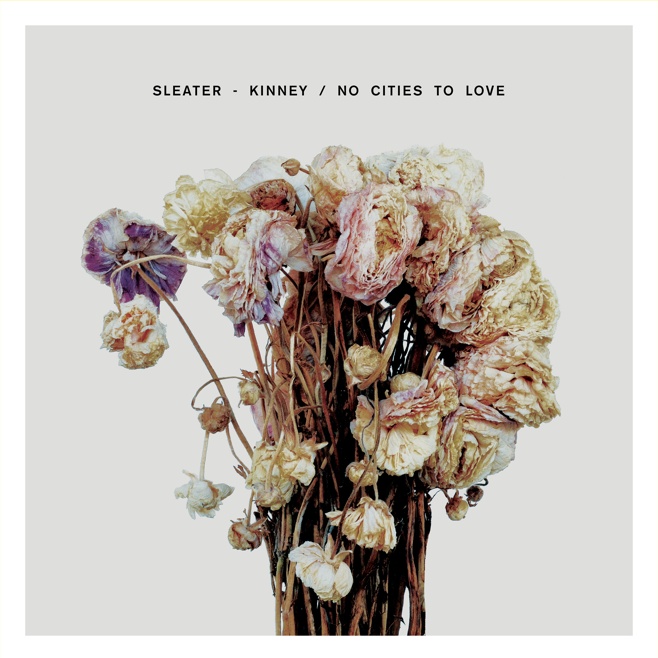
Sleater-Kinney – “No Cities to Love”

Grade: A-

Key Tracks: “Price Tag” “No Cities to Love” “Bury Our Friends”

Confession: This isn’t my first review of 2015. That belongs to Meghan Trainor’s “Title.” But do you know how cliche the metaphor is to start the year with a review of a debut? No, the first review of the year needs to be something more momentous – a comeback (and one that fits in well with my recent post on feminism in music, something Trainor does *not* fall under). So here, one of the biggest comebacks a blog like this could ask for – the first Sleater-Kinney album in 10 years.

Sleater-Kinney never really gave us a reason for their hiatus in 2006. It just seemed like they suddenly appeared, and suddenly disappeared. So, nine years after, it seems just as odd that they’d come back, especially given their successes – Janet Weiss has since played with the Shins, Wild Flag, Stephen Malkmus, and the densely uncrackable trio Drumgasm; Corin Tucker has found solo success; and Carrie Brownstein has found mainstream success as one-half of the largely improvised IFC show Portlandia (as well as Wild Flag). But 2015 needs Sleater-Kinney more than Sleater-Kinney needs 2015. We’ve caught up to their third-wave feminism; their leftist politics may have been “radical” for music in the 90’s (sad) but sound more anthemic today. There’s a revolution looming, and we’ve left Sleater-Kinney’s throne open for their welcome return.

Nearly needless to say, it’s an incredibly successful return. While Sleater-Kinney have never been a challenging band, their varying albums do rely on the listener to interpret the music, rather than the band. And for a band that’s woven through indie rock, riot grrrl and classic rock, “No Cities to Love” feels like a retrospective, that lets the listener reflect on which Sleater-Kinney exactly they’re listening to. Although “No Cities to Love” often sways sonically towards an indie S-K, it packs punk punches, and it’s brimming with energizing, political lyrics that are seemingly banned from indie otherwise. S-K’s political and social lyrics have never sounded fiercer, stronger, and Tucker’s vocals have a catchy scowl to them that entice the listener into their fury.

The album starts, by no coincidence, with “Price Tag.” The band sound like they’re restraining energy, not wanting to exhaust the listener from the get-go; but the lyrics about overspending on both political and personal levels rival the most ferocious and specific lyrics Against Me! or Sonic Youth could dream of. “A New Wave” matches the album’s catchiest, bounciest music with equally anthemic lyrics. “Surface Envy”‘s lyrics about making and breaking rules might sound a little tired, but S-K always have a way of putting out their own spin. And late-album highlight “Bury Your Friends” isn’t as political, but looks at the apathy of burying and reviving friends and idols (kind of like early songs by, well, Sonic Youth).

Musically, “No Cities to Love” leaps around. The title track is one of a few songs that’s outright catchy, with the band exploring its indie side. But “Surface Envy,” “No Anthems,” and “Fade” are all aided by a heavier, denser sound. Brownstein’s guitar is heavy throughout, reinforcing her importance and virtuosity in the guitar world. “Hey Darling” sounds like an indie track but has an unexpected heavy guitar, and “Surface Envy” has a dissonant chord running through its verses. “Bury Our Friends” even takes on a more mechanic tone at times, sounding more rehearsed and intentionally repeating than other tracks.

The Sleater-Kinney we get in 2015 is a mix of previous Sleater-Kinney’s, and it’s necessary blending. Indie and punk have come a long way in 10 years, and can go hand-in-hand now (whereas separated by sharp divides in 2005, unless you were Karen O or a member of Sleater-Kinney). “No Cities to Love” is rarely uneven, often totally complete, and serious in its beliefs. Comeback albums are tricky, but I don’t think there was much doubt that Sleater-Kinney could succeed in a world even more in need of political anthems. Leftist, catchy, angry and energetic, “No Cities to Love” is exactly what you want from a Sleater-Kinney album, just in the year 2015. Setting the bar high early, we’re 1-0 in great albums so far.

If you like this, try: Aside from rechecking your teen angst, rehanging posters you had in your bedroom in 1998, and remembering why you picked up a guitar in the first place, check out Potty Mouth’s 2013 debut, “Hell Bent.” Although more outwardly punk, Potty Mouth owe a lot to S-K’s feminist indie-punk sound.

-By Andrew McNally

(Okay. 1-1. Meghan Trainor review to be posted later.)

Crying – “Get Olde/Second Wind”

Grade: B

Key Tracks: “Bloom,” “Bodega Run”

To people who have never heard Crying, this double EP is something really new. To fans, it’s very literally not new. The first half is just a reprint of last year’s “Get Olde” EP, combined with a new “Second Wind” EP. So it can’t technically be labeled as an album, and the combination does not answer the listener’s question of why this was done in the first place. Still, “Get Olde” is an excellent EP, and their blend of emo, indie and chiptune is incredibly unique.

What separates Crying from Run For Cover Records labelmates like, say, Pity Sex or Tiger’s Jaw is definitely, unequivocally the use of the digital, video-game-y sounds. It’s a primary focus of their music – the main instrument on every track. Sometimes it’s shrill, sometimes it’s melodic, other times it doesn’t seem to fit and you wonder if you’re going to get a break from it. Luckily, Crying take it upon themselves to differentiate every track, so their unique sound doesn’t become an automatic staple after the first go-around.

It’s easy to describe Crying as a chiptune band, one instrument is literally a Game Boy. But where other bands have experimented with this before, they’ve never roped in such unexpected lyrics. Similar bands often take goofy tones, mimicking the video game world they’re trying to engross. But Crying sing on a real plane – real people in a real, crushing world. “Vacation” namechecks Costco and flip phones, proving they’re living in a globalized society. And frequent references to bodegas cement the band as New York apartment-dwellers, not suburban basement-surviving nerds. It’s a distinction, because Crying’s music has a dense aura to it.

Both EP’s have their up and down moments. They both end on slow tracks (“ES” and “Close,” respectively), and neither really works that well. But both EP’s have honest and devastating lyrics, often delivered in Elaiza’s exasperated vocals. And while “Get Olde” stays right by the Boy’s side, “Second Wind” lets up some room for some drum (“Easy Flight”) and some guitar moments (“Batang Killjoy”). The second side is more varied and denser than “Get Olde,” although the band is more consistent in the release’s first half. I’ve been on to Crying for a while now; their first full-lengthed release is an extremely interesting listen. It isn’t perfect, but it’s still a fun, desperate mess, and it’s a promising release for the future.

-By Andrew McNally

Rancid – “…Honor Is All We Know”

Grade: C+

Key Tracks: “Back Where I Belong” “Already Dead”

When you listen to an album like “…Honor Is All We Know,” the most immediate question is usually, who is this for? Rancid is facing the same problem many bands past the 20 year mark face – when you’ve made a career off a template, what do you do when it runs dry? This new album, their eighth, brings nothing new to the game, other than just reminding everyone they’re still going. But with a band like Rancid, that’s not such a bad thing.

2009’s “Let the Dominoes Fall” wasn’t a bad album, but it was pretty ho-hum. It was largely ska-based and lacked a real Rancid energy. This was all put forth in the lead single, “Last One to Die.” The meta-song acknowledged the fact that all of Rancid’s contemporaries have disbanded, died, gone through extensive line-up changes, or released “American Idiot.” But it also unintentionally admitted that they’ve been going too long, they’re sticking around just because they have no reason not to. This album’s best song is, probably with reason, “Already Dead.” This album brings the band’s energy back, even if there’s no reason for it’s existence.

In typical Rancid fashion, the first F-bomb comes within the first 30 seconds of opener “Back Where I Belong.” This might only be a facade of old Rancid, but they’re at least trying. Lyrically, the album is pretty scattershot. They’re pretty standard lyrics, about fighting when you’re down, gangs, East Bay, etc. Standard song titles – “Diabolical,” “Everybody’s Sufferin,'” “Raise Your Fist.” The most heavy-handed but direct lyrics might come curiosity of “Evil’s My Friend.” That title takes up some of the chorus, and it’s a laughably stereotypical Rancid song – what you could hope for in 2014. It’s unintentionally comical, but still so distinctly them.

The ellipses at the beginning of the album title is bold, because it subtly heralds a sequel album. 1995’s “…And Out Come the Wolves” is a punk legend. Stop and think – “Time Bomb,” “Roots Radical,” “Ruby Soho” and “Maxwell Murder” are all on that album. So announcing a sequel 19 years later, especially when most of your albums already sound the same, is bold. To Rancid’s credit, having most of music sound the same actually helps them here, as this could easily be a sequel. They pulled off two excellent, unrelated self-titled albums, one in ’93 and one in ’00, so there’s no reason a sequel can’t work. They’re just not the same level they were in ’95. At points, they sound tired, and at many points, they sound like a parody of themselves. Tim Armstrong and Lars Frederiksen have always shared lead vocals, but for the most part, neither sounds like themselves here. Frederiksen’s growly vocals sound forced, and Armstrong is out of energy. It’s easy to ignore, for the most part, but there are moments where it’s jarring. And that best track, “Already Dead”? They sound like ’95 Rancid on that one, so it’s off-setting.

So the album isn’t great, it’s just a collection of street-punk songs. But, you need to factor some things in. The collective age of Rancid is 175, average age being 44. That’s with the younger, replacement drummer factored in. Armstrong and Matt Freeman are both 48, respectively. Most bands, even punk bands, aren’t still going this hard at this time. So credit there. And they’re playing to a fanbase. What street punk is today is based almost exclusively off of Rancid. They’ve only expanded once – on ’98’s “Life Won’t Wait,” – before going right back to their quick attacks. So they have to be a little self-serving.

I’ve been listening to Rancid since high school, we’re going on eight or nine years. I’m not the fan I used to be, but I’ll be damned if I don’t get pumped when “Rejected” or “Axiom” come up on shuffle. I’m pleased with this record. They’re here, still giving it their all, telling us they don’t want to be just a placeholder band, releasing the same crap over and over again. They kind of are, but they’ve still got the energy. This is actually their shortest record, and it’s a little symbolic. It’s shorter than “…And Out Come the Wolves” by 1:33 – that’s a full Rancid song. Knowing that feels right, like they’re still in it. Rancid fans, and street punk fans in general, might listen to “…Honor is All We Know” once and discard it – but it deserves at least that listen. It’s stagnant, but it at least tries to resemble old Rancid, and it’s worth a listen. How much more than that is the listener’s own decision, but there’s a few tracks I might come back to.

If you like this, try: Bad Religion’s 2013 album “True North.” They took a back to basics approach – which for them is back to ’84 – and released an album full of 1:45 punk blasts. It’s great, they haven’t missed a beat.

-By Andrew McNally

Dads – “I’ll Be the Tornado”

Grade: B+

Key Tracks: “Grand Edge, MI” “Sold Year/Transitions”

Gone are the days of “Groin Twerk” and albums with ‘Radass’ in the title. Dads’ perpetual lyrical theme of growing up and drifting away comes stronger, as the Jersey duo mature in leaps and bounds over their last record. We saw this transition coming, on the decidedly not-so-emo “Pretty Good,” an EP that never really found it’s place. “I’ll Be the Tornado,” an LP, completes the transition into a serious, adult band. Except, they’re still punk.

Much like last year’s “Pretty Good,” the guys bounce around in a few different influences. This album has much more flow than “Pretty Good,” not trying to make any statements about the music, instead letting the audience accept it as it comes. The album’s acoustic opening isn’t a copout, it’s part of a build-up, and it’s unexpected. (And it’s reminiscent of this year’s largely acoustic Cardinal Cardinal EP, the side project of John Bradley). We’re still kind of expecting disassembled, roaring songs like “Get to the Beach!” but they’re not present. Instead, we get a number of flowing rock tracks, with occasional punk jams (“You Hold Back”), emo ballads (“But”) and some slight, leftover twee rhythms (“Chewing Ghosts”). “I’ll Be the Tornado” is more straightforward and accessible, if not still tough around the edges. Two part track “Sold Year/Transitions” has a rough and straining transition in the middle that’s fresher than most of the album’s other music. Dads feel comfortable falling into more traditional rock, but they can still pull it all off.

And they can pull it off because John Bradley’s lyrics, vocals and drums haven’t changed a note. “I’ll Be the Tornado” is a drum-heavy work, logical when you’re a duo with a drummer who sings lead. And Bradley’s lyrics are as ‘fresh’ as they’ve ever been. They have a certain ‘creative writing 101 course’ feel to them – poetic only in their specificity, direct, regretful and reminiscent. His lyrics are always unique, opting for straight punches rather than anything subversive. “I want to be happy,” Bradley starkly admits on “You Hold Back,” which seems a contrast to everything before and after it on the album. Bradley, and Scott Sharinger, explore feelings of unease and uncomfortable maturity, not knowing what to want or expect out of life. As with previous albums, many of their lyrics are based around falling back on memories because you can’t make anything of the future. “I need something new to obsess over,” says second track “Chewing Ghosts.” And reflections on others are present, as always. “You wanna hang Christmas lights in the summer/An excuse to spend time with each other” Bradley sings on “Sold Year/Transitions.” And Bradley also sings about his own dad’s health struggles, with references peppering the album throughout. The album is honest, even for Dads, with frank poetry and gut-hitting remembrances.

The only real fault of the album is that in its embrace of more traditional rock music, it sputters out towards the end. The album ends with “Take Back Today” and the 7+ minute “Only You,” both of which are musically pleasing songs, but aren’t the big finish the album needs. They’re both kind of ho-hum songs, not hitting the same level that the rest of the album does. So it dampers the album a bit, but not enough to discredit the eight songs before it. “I’ll Be the Tornado” is still a wildly and unexpectedly progressive album for the band, one that’s also regressive in many ways. It’s definiably Dads, but it’s more open, grittier, slower, clearer, and even more honest. Gone are the punk blasts, and they’re missed, but the replacements are more than welcomed.

If you like this, try: Prawn’s recent album, “Kingfisher,” another more mature sounding emo album, albeit one that takes an entirely different lyrical approach.

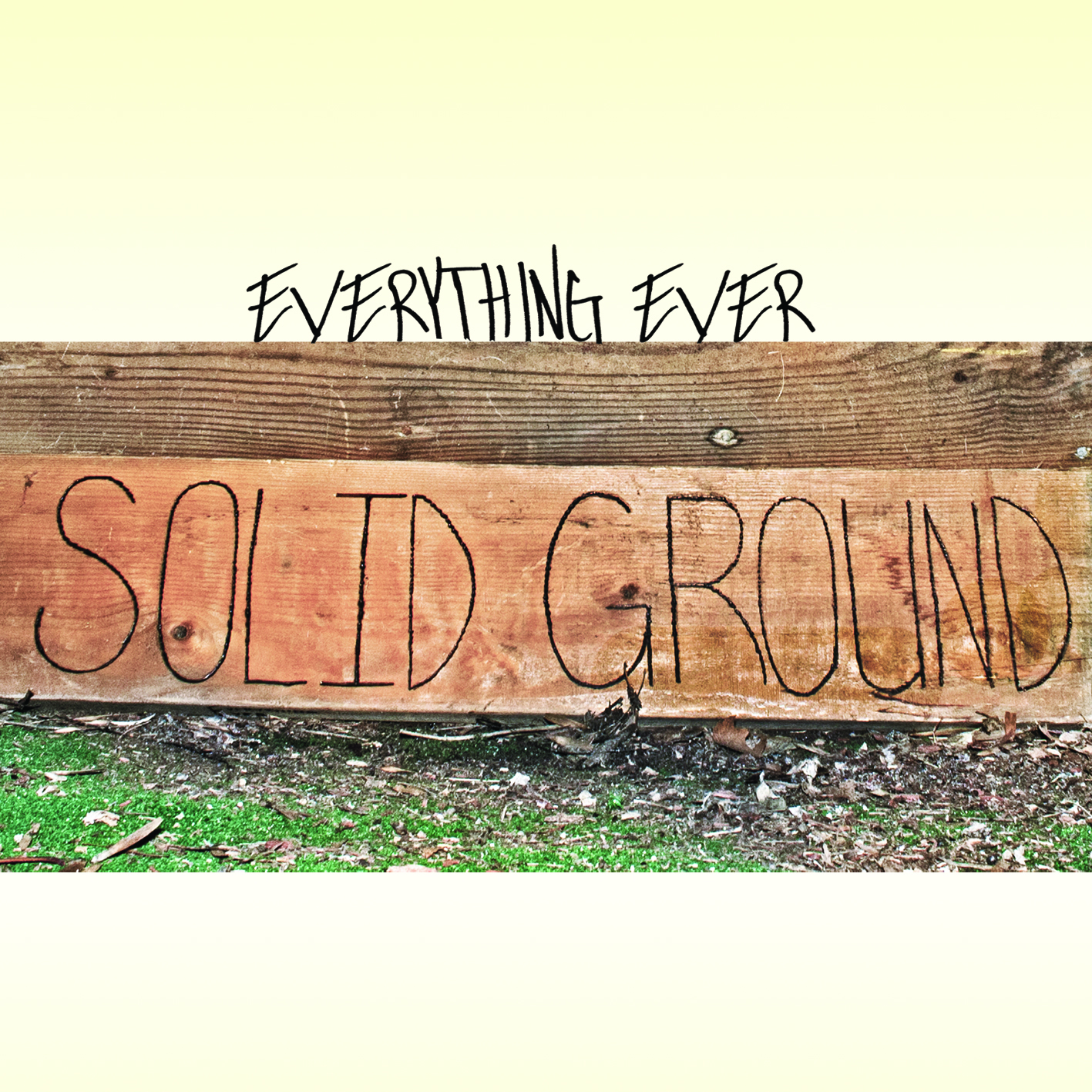
Everything Ever – “Solid Ground”

Grade: B+

Key Tracks: “Big Ideas” “Black Cat”

Not every up-and-coming punk band can come out of the gate with a debut album as consistent and enjoyable as “Solid Ground,” but not every punk band gets to open for Arrogant Sons of Bitches, too. When I first saw Everything Ever (then known as Curious Volume), they were the opening band on the line-up on night two of ASOB’s two-off reunion performances (a bill that also included Laura Stevenson, Shinobu, members of MU330 and I think Good Luck). The energy that these young men put into their show really surprised me, they held their own in a huge line-up. Now their debut album is out, brimming with energy and poetry.

I hesitate to call Everything Ever “pop-punk,” because they’re not as cut-and-paste (thankfully). Their music has pop-punk qualities, but it isn’t directly aligned with any punk subgenre. It could equally be called skate-punk with emotion. What is there, however, is big choruses. The band has big choruses and ‘gang’ vocals right out of their Staten & Long Island(s) roots. And there’s a lot of energy, especially in the album’s early songs. The opening trio of songs, “This Destruction,” “Rock Bottom” and “Big Ideas,” come roaring with enough energy and volume to make pop-punk purists smile. Likewise, late-album song “From Below” is a little blast to kickstart into the finale. This is something that has always come easy to the band, a nice benefit to have, and it’s on full display here.

But the band – consisting of Zach Sandel on drums, John Trotta on bass/vocals and Andrew Paladino on guitar/vocals – add some little eccentricities to their music to elevate beyond pop-punk simplicity. Trotta and Paladino put more emphasis on vocals and vocal rhythms than most punk bands, adding some depth to the tracks (I noticed it the most on “Of Guilt”). They also put in musical flourishes that save the songs from being verse-chorus-verse-chorus, etc. There are breakdowns, calmer moments, and just generally motivated songwriting. Listen closely on “Rock Bottom” for a quick, very effective chord change, for example. Absolutely the best example of the band’s songwriting is the finale, “Black Cats,” which does something most pop-punk bands would gawk at – stretches past six minutes. It’s a flowing song and a fitting finale, one that doesn’t sound nearly as long as it is. Everything Ever could be a pop-punk band – but are more one that have launched off of a template.

It could be that I saw the band open for ASOB and that I’m listening to Bomb the Music Industry! as I write this, but there were two things I noticed on the album that reminded me of Jeff Rosenstock’s songwriting – another man whose undefinable punk combined pop- and skate- templates. One example was quick – the pairing of lines “I gotta be more friendly / I gotta sing more passionately” in “Big Ideas” is delivered in a ‘pseudo-optimistic but kinda apathetic’ way that’s reminiscent of Jeff. And the lyrics, in general, have the same kind of poetic self-deprecation that BTMI was overloaded with. While most NY pop-punk bands direct their anger outwards, Paladino’s lyrics tend to focus more inwards, and while they’re maybe not as direct or specific as they could be, they’re still a poetic benefit that isn’t shared in fellow punk bands. So call Everything Ever what you’d like; maybe their name fits them well. “Solid Ground” is a strong debut, one that asks for a few listens. And with the band’s blending of influences, there’s no reason not to give it a few spins.

If you like this, try: Realistically, Everything Ever doesn’t actually sound a whole lot like ASOB/BTMI, even though I just spent a whole paragraph on comparisons. I’d rather align them with the Menzingers’ recent album, “Rented World,” which drifts closer to pop-punk than their earlier albums.

-By Andrew McNally

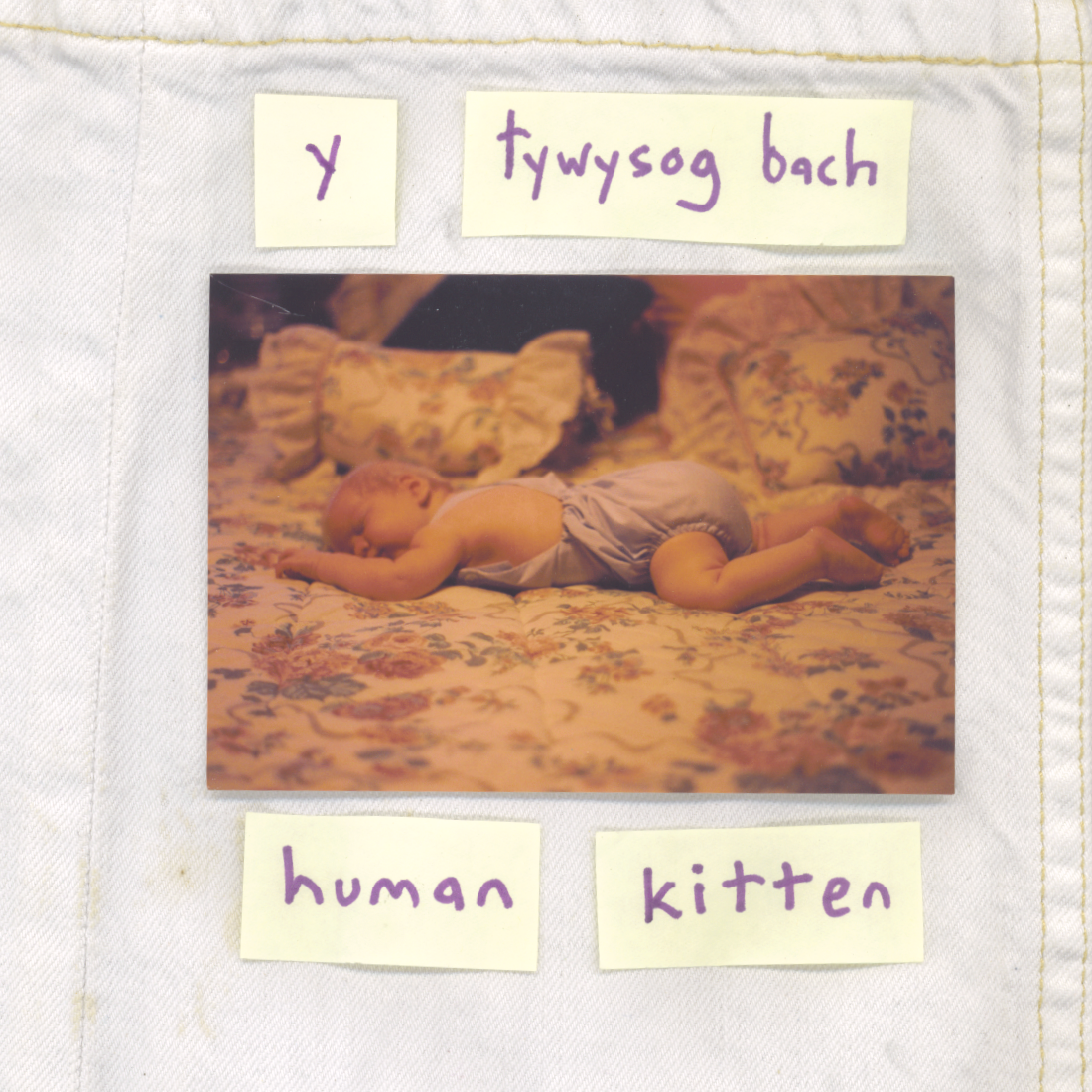
Human Kitten – “y tywysog bach”

Grade: B+

Key Tracks: “Wearing Cologne Alone” “Defend Top Bunk”

It was just a few months ago that Human Kitten, aka folk-punk singer-songwriter Elijah Llinas, released “Manic Pixie Dream Boy,” and there’s already another release, equally filled with quick tracks on activism, illness and gender confusion. The songs vary more in tone, some angry, some retrospective, some self-deprecating. As always, it’s just Llinas and a guitar, quietly baring their souls to whomever’s listening.

Llinas has always been a lyrically-heavy singer, and “y tywysog bach” comes out of the gate with a number of personal and poetic tracks. Particularly self-deprecating second track “I’m Trash” sees Llinas declaring “Fuck my pain away / Until I melt into the trash compactor.” On the semi-anti-technology “Activists Are Active,” Llinas sings, “We think we’re so civilized / But we’re the same as the people living in 1655.” There are more tracks on the struggles of gender identification, like on the excellent “Sex: Male, Gender: Whatever.” And on “Defend Top Bunk,” “My songs are getting less political by the word.” Llinas’ personality comes through the lyrics, as it always does, but it feels like we’re getting a few broader aspects of it this time around. “Defend Top Bunk” is not a political song, but a song about becoming less political. Human Kitten’s lyrics are often direct, without sacrificing poetry, and on this album they occasionally aim for the gut (although whether it’s yours or Llinas’ gut isn’t clear).

Although Llinas still embodies a singer-songwriter, as a singular person with an acoustic guitar, the songwriting is a little different on this album. The songs themselves are a little more direct, less guitar flourishes and rhythms, grounded even further on the themes and lyrics. But on top of that, there’s also a three-part song, taking up tracks 8-10. “Shame,” “Forgiveness,” and “Redemption” are typically cynical and reflective, but it’s interesting to see Llinas take a different approach to the structures than usual.

Human Kitten is basically an embodiment of folk-punk; Llinas plays fast and acoustic music solo, with some specific, personal and occasionally discomforting lyrics. “y tywysog bach” is another album where Llinas opens up about deep issues that might not be as easy to talk about – as well as some forays into politics and problem people. And since it’s similar to the past releases, it’s a strong album. Llinas isn’t playing to a wide audience, rather providing a voice for people who can listen and relate; people who might have the same issues but haven’t been able to vocalize them. Most good folk-punk is like that, and Human Kitten is no different.

The album is out today and is available at the Human Kitten bandcamp page.

-By Andrew McNally

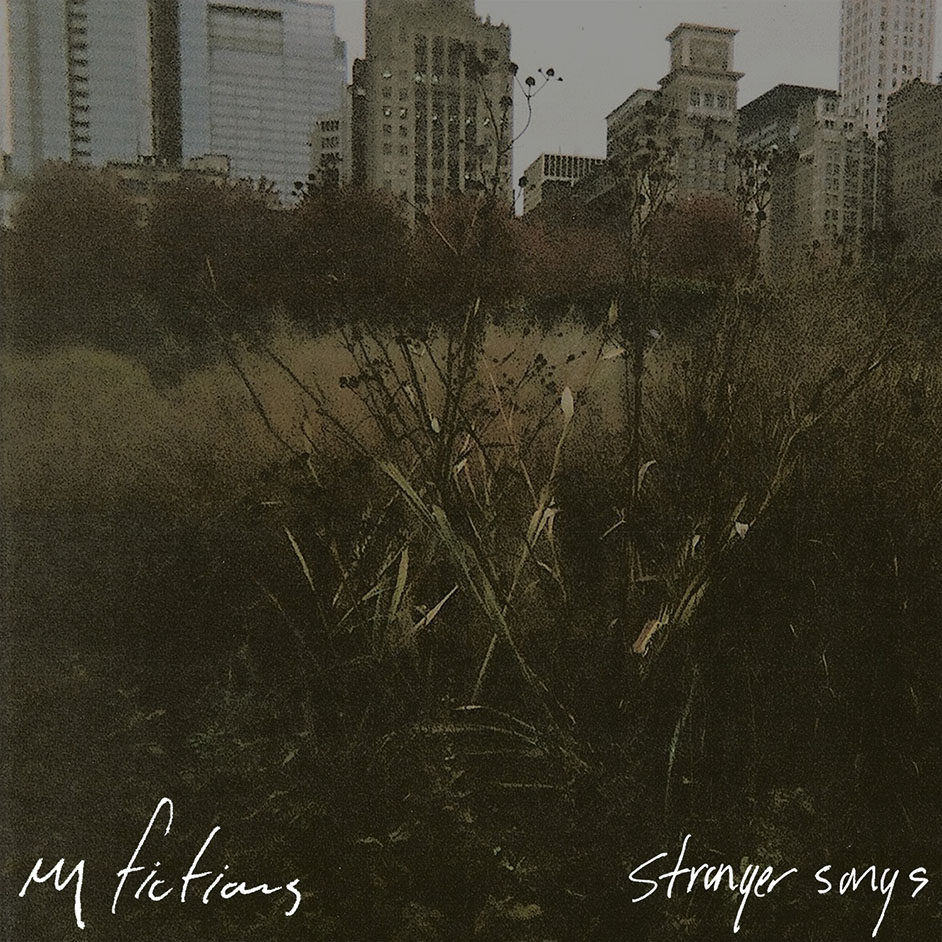
My Fictions – “Stranger Songs”

Grade: A-

Key Tracks: “Mt. Misery” “Postcard”

Boston group My Fictions know how to do hardcore right. Their new album, “Stranger Songs,” is fast, slick and uses volume to punish the listener’s emotions, not just their eardrums. At 10 songs and 28 minutes, it’s the work of a band that sounds frustrated and confused by the world around them, and they take out their feelings as quick as they can, with no unnecessary embellishments. “Stranger Songs” is loud and assaulting, with a dark and uncertain tone to boot.

The album’s opening track, “Mt. Misery,” starts with a bit of a cop-out intro, before jumping suddenly into a menacing, hardcore blast. Its follow-up, “Postcard,” the shortest track on the album, is an all-out assault on the listener. It is, as many of the songs are, centered on the frantic and explosive drumming that drives the beat further and further into submission. “Parking Lot” and “Stranger” also play around with false or building openings, and the energy behind the kit never lets up throughout the album.

But the album isn’t just about volume, it’s about using it properly. The album has an almost tantric feel to it, quickly softening and building back up, sometimes hitting a huge climax, sometimes not. “Airport Song” drops off completely at the end, leaving just faint bass notes and distant vocals. “Lower (A Selfish Song)” slows down towards the end for a punishing mid-tempo climax that’s as abrasive as they can get. My Fictions don’t come out of the gate and pound the listener into the ground with speed and volume – they welcome the quieter moments and tempo changes that enhance the hardcore sound.

“Stranger Songs” is not a summer album. I’d been receiving e-mails from (the excellent) Topshelf Records about the album’s release for months prior, but it’s a little difficult to get into it when I have the air conditioner running. It’s a dark and dense album, with the lyrics’ emotions coming out through the strained vocals. The band have an aura of unbridled frustration, no more apparent than on the aptly-named “Wake Anxious.” The guitars are dissonant and thundering, the drums heavy and the vocals distant and screamed. They sound disturbed by something, just in general, and use this album as their release. The album’s midpoint, “Concern,” is centered around a soundclip of someone asking a poet, “How can you write poetry if you’re not bothered by something?,” a line that comes up again in the final song. Taking a thunderous approach to your music only works if we believe there’s the frustration and anger behind it, and it’s on display here. They’re bothered. And it comes on full force. So prepare yourselves.

On an unrelated side note, I will be attending grad school in the fall. That does put this blog’s name in jeopardy, for sure. But I will be going to Emerson which is, by sheer coincidence, partially pictured in the cover of this album. I would like to promise this didn’t influence this review but no guarantees.

If you like this, try: I’m not up on my hardcore, I’m usually floored by a hardcore band’s stability throughout an album. So I’d like to suggest fellow Boston band Defeater’s recent “Letters Home” album, a continuation of their insane multi-album concept.

White Lung – “Deep Fantasy”

Grade: A

Key Tracks: “Drown With the Monster” “I Believe You”

In a world where punk is an ever-increasing and subjective term, we’re seeing more and more bands stretch the limits of the genre – the Waxahatachees and Andrew Jackson Jihads take a more acoustic-driven approach, and the Menzingers and the Modern Baseballs opt for deft poetry instead of angst. So it’s almost surprising to hear a band like White Lung, a well-oiled machine of anger and energy. They have a ferocity normally reserved for hardcore, and indeed, their music tends to hover towards hardcore and thrash metal, but it stays distinctly punk. Their excellent third album, 10 songs and 22 minutes, is a sweaty and kinetic burst that never once lets up.

White Lung aren’t changing anything on “Deep Fantasy.” This album isn’t an increase in power – they’ve always been as intense as they are here. But it’s still impressive. All ten songs on “Deep Fantasy” are at a non-stop, ferocious volume, as if they don’t know anything except that. White Lung have the ability to make a song that’s 2:26 feel long. The music is no frills – no drum fills, no theatrics, no breakdowns, no intros, no outros. Just volume. And yet, it doesn’t quite align with punk or metal. If they were to rely more on chords – which I’m glad they don’t – they’d veer into thrash metal. But the verses are usually marked by guitarist Kenneth William’s shearing, high-pitched rhythms, adding a shrieking element that isn’t metal at all.

Mish Way’s vocals dominate the album. She inverts some typical vocal structures by letting her voice fly high over the verses and taking a backseat, sometimes in a deeper pitch, during the choruses. Her voice is more stable on this time around, actually sounding intentionally conventional at most times. It creates a weird disparity – there’s clear, common vocals centered around a mass of volatile, unstable music. Her voice, at least on this record, actually resembles that of Debbie Harry’s, and the result is the album that Blondie always sounded like they wanted to experiment with, but never did.

To refer to a band, especially a punk band, as “female-fronted” in 2014 is ineffectual and stupidly ignorant, but for “Deep Fantasy,” it’s important to point out the album’s feminism. With blinding punk like this, you’d expect angry lyrics, whether personal, political, etc. And sometimes that’s the case – the repeated line “the water looks good on you” on “Drown With the Monster” speaks volumes. But some of the songs are poignant and rational. The album’s most intense track, the 1:42 blast “I Believe You,” is in response to sexual assault. Elsewhere, Way sings about other issues that society has laid on women – eating disorders, sexual fantasies and body image. To present rational and balanced lyrics in an otherwise aggressive setting brings home the importance of what Way presents – forcefully saying we need to address these issues in a safe manner.

White Lung only does one thing, and they do it extremely well. At 22 minutes, the album is a chugging engine that never gets repetitive or tired. It just keeps going, until you’re starting to break a sweat, and ending before the actual pain comes. Years ago, White Lung turned their instruments all the way up, and they haven’t adjusted them since. “Deep Fantasy” is an aural assault, and one of the best punk albums of the year. The band is a driving force in punk, and “Deep Fantasy” establishes them as a deafening group to watch out for.

If you like this try: an obvious comparison is equally feminist group Perfect Pussy, but they include effective moments of silence and feedback as major song points, that White Lung instead totally eschews. So, a better comparison might be noise-punk group So Stressed’s album “Attracted to Open Mouths.”

-By Andrew McNally

Parquet Courts – “Sunbathing Animal”

Grade: A-

Key Tracks: “She’s Rolling” “Sunbathing Animal”

The men of Parquet Courts are growing older, but just in the sense that we all are. “Sunbathing Animal,” the second accessible full-length and third release from the band in barely a year and a half, shows hints at maturity. It’s a reluctant maturity, one of attempts at denial but eventual acceptance. The band, as they did on last year’s “Tally All the Things You Broke” EP, open up to more influences and more ideas. The always-terrific “Light Up Gold” mixed garage-rock and country influences, but was filled with a boundless youthful energy that is roped in and controlled here.

Parquet Courts seem to know that they can’t just keep playing hybrid country-punk forever. “Stoned and Starving” is one of the best songs in years, but at 5:12, it’s the only song on “Light Up Gold” that’s over 3:30. Of the 13 songs on “Sunbathing Animal,” five break that threshold, with two more only seconds away. The band is, in one way, slowing things down and introducing some more developed songwriting. “Bodies Made Of” starts the album on a deceiving, medium tempo. “Dear Ramona” follows a narrative and shows more mature songwriting. “She’s Rolling” goes past six minutes, and “Instant Disassembly” past seven, with the latter being a pseudo-ballad and the former ending in crazy, layered harmonicas.

But in another way, they’re not slowing things down at all. They’re still a punk band, and “Ducking & Dodging” shows its love for 8ths and 16ths. Its “vocals over a drum and soft guitar line” is one of the most garage-y rhythms in years. The title track provides a volume and energy blast after the slow-burning “She’s Rolling.” And there’s musical interludes, just as on “Light Up Gold.” “Vienna II” and “Up All Night” provide brief break-ups throughout the album. “Sunbathing Animal” is more drawn-out, and more expansive, but it packs as many punches as their previous works.

“Sunbathing Animal” pairs nicely with “Light Up Gold,” as a band exploring the width of their own sound. “Sunbathing Animal” is no better or worse than “Light Up Gold,” and it doesn’t immediately demand any comparisons. It’s a lot more structured, and the band is more in control of their energy. It’s still very youthful and tongue-in-cheek, still fun but serious. “Sunbathing Animal” is a distinctly different album for the band, but it’s still definitively Parquet Courts. And that should be enough of a reason alone to pick the album up.

If you like this, try: together PANGEA’s “Badillac,” a less exciting (but still agreeable) example of a garage-punk band expanding.

-By Andrew McNally