Jeff Lynne’s ELO – “Alone in the Universe”

Grade: B-

Key Tracks: “I’m Leaving You” “Alone in the Universe”

There’s always a risk when a classic rock artist comes back out of the woodworks and releases “their first album in [x] years.” There’s even more risk when you have to change your name because of legal troubles. So on paper, Jeff Lynne’s ELO’s new album, “Alone in the Universe,” shouldn’t have a purpose. And maybe it doesn’t. But it’s better than it deserves to be.

The name ‘Jeff Lynne’s ELO’ serves a dual meaning. As part of a court deal, it lets audiences know that it’s the Jeff Lynne version, the only constant member in the band’s run (and not ELO II, a different off-shoot). But it’s also billed as such because between songwriting and instrumentation, Jeff Lynne is credited with “everything except the shaker and the tambourine.” He plays all instruments here, and it’s really not ELO. There’s no O and hardly any E or L. It is, for all intents and purposes, a Jeff Lynne solo album.

That said, it’s also a victory lap for Lynne. Lynne, and ELO, had a substantially longer and more packed career than people expected them to. Their Greatest Hits discs are loaded start to finish with rock radio perennials. And after everything, ELO ended up marred by legal battles, so Lynne deserves something like this.

There’s a discord on this release, and it’s what makes the record better than expected. ELO always had a self-competing sound: they had the space-y ambition and imagery of Boston and Pink Floyd, but coupled it with brilliant, simple pop songwriting. It hardly makes sense on any song, nonetheless many excellent albums. This record embraces that discord – two competing song titles, “When The Night Comes” and “The Sun Will Shine On You” sit back to back. And the second track, “Love and Rain,” sits on the line, “Love and rain keep coming back again.” Likewise, this album is one that sounds nothing like any other ELO album and is a major outlier in their catalog, yet is Lynne’s victory lap for such a successful run. Just like their other music – it doesn’t make sense only because it does make sense.

The fact that this album, pleasant and reflective (if not largely immemorable), works at all is a testament to Lynne’s songwriting. Each track is a simple, often quite optimistic rock song. Lynne’s experience with the Traveling Wilburys is strong on the album, especially on “I’m Leaving You,” where Lynne’s vocal rhythm mirrors Roy Orbison’s “In Dreams.” The songs are much more grounded than anything in regular-ELO, and there’s really no song that is better or worse than any other one. The title track (and finale) is a great piece of meta-commentary, with Lynne now the sole member in a band whose numbers have fluctuated past six. Lynne proves to us that no matter what happens, he’ll always be able to write a damn good pop song. None of the songs on this album are particularly great, and none of them will stand the test of time with “Mr. Blue Sky” and “Rockaria!,” but they don’t need to. Lynne feels comfortable in this new form. This album sounds like it was recorded as much for him as it was for us – to prove to himself that he can do just fine by himself. “Alone in the Universe” isn’t going to shatter anyone’s foundations, but it’s a nice addition to the ELO catalog, and a late-stage classic rock album superior to most of what has been done by Lynne’s peers. Lynne has announced that he’s still here, and Jeff, as long as you are, we are too.

-By Andrew McNally

Grimes – “Art Angels”

Grade: B+

Key Tracks: “Flesh Without Blood,” “Kill V. Maim”

Grimes has never been known by one genre. She’s sometimes included in witch house, but she defies one of the basic principles of the genre. Her stage name – Claire Boucher, offstage – is short and easy to remember. “Grimes.” Template witch house artists do the opposite, names that can’t be found on Google. Like M△S▴C△RA, or ///▲▲▲\\\ (pronounced ‘Horse MacGyver’), or oOoOO. Her new album, her fourth, is predictable only that we’ve come to expect anything we haven’t heard from Grimes before. “Art Angels” is, more than anything, a pop album.

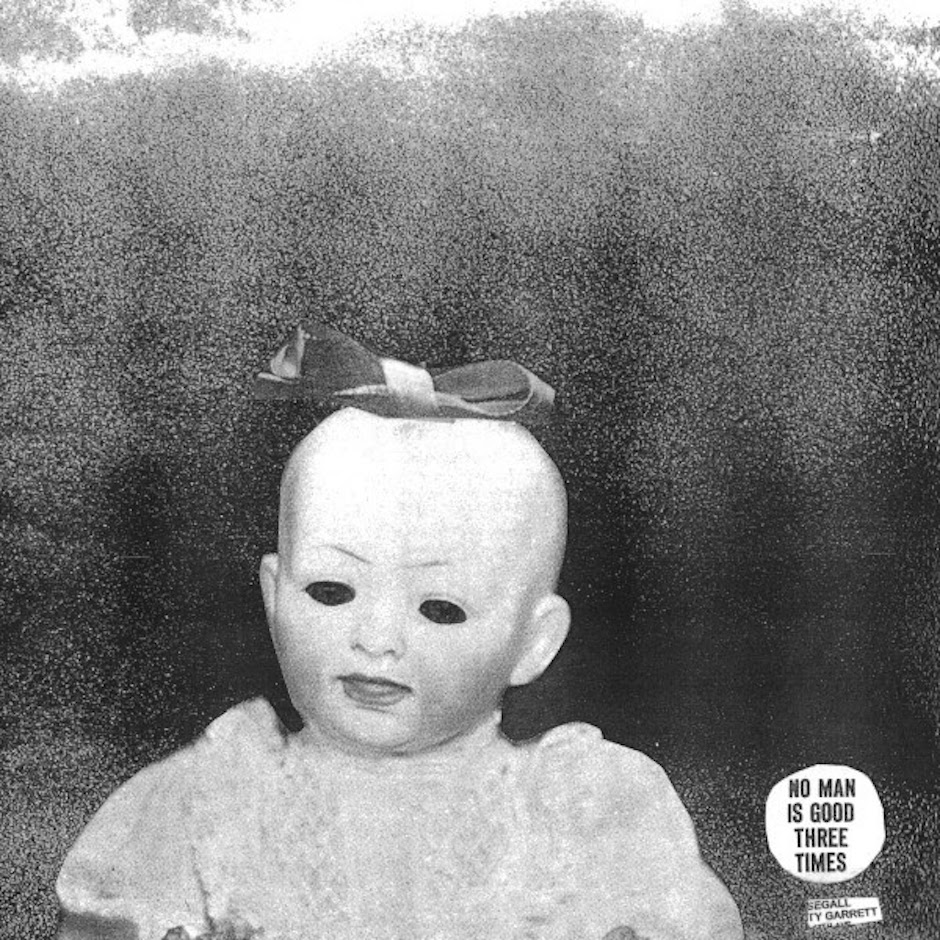
“Art Angels” is a very mixed album. As always, Grimes blends many influences and ideas to create a wholly original, bastardized sound not unlike the baby on the cover. It isn’t as consistent, this time around, although the high points are just as high as ever. The album takes a much more conventional format, overall. This might be due to Grimes famously scrapping the album she was working on last year because she felt it was “too depressing,” keeping only “REALiTi,” an altered version of which shows up here. Something about the album feels familiar, in the song structures, as if Grimes was leading us by hand into a dark forest but keeping us from being afraid.

Generally, the album’s better songs are the ones that have density and energy. “Flesh Without Blood” is one of the catchiest songs of the year, regardless of lyrical content. There are catchy tunes throughout. “Easily” is a dancy (if not somewhat lacking) song. “REALiTi” and “World Princess, Pt. II,” although similar, are both exceptional and engrossing late-album bangers. “SCREAM,” which heavily features Taiwanese rapper Aristophanes, is also an excellent track.

“Belly of the Beat” might be the album’s lowpoint, a largely acoustic track that might sound better if there was a different artist’s name attached to it. Some of the ‘lighter’ songs are disappointing. “California” borders on being too poppy, especially as it’s placement as the first real song, after the intro “laughing and not being normal” (which is a great track, while we’re on it). It centers itself as a lyrical ode, but it’s nothing we haven’t heard before.

Still, you have to pride Grimes on trying new things. She’s included just about everything she can into her music, and she’s even made conventionality work for her. “Art Angels” tells us that, yes, Grimes can occasionally do wrong. But even when she does, she’ll right it on the next song and she’ll still sound great when she does. Her vocal screams – you know the thing she does – permeate the album, breaking up the songs from being too radio-friendly (“California” lacks them, and suffers because of it). It’s also impossible to ignore the power she holds. Grimes learned how to play multiple instruments after recording her last album, the near-perfect “Oblivion.” She does everything herself now. After realizing that only men were being allowed to use the production equipment for her music, she’s begun producing herself. Now she writes, performs all music, produces, choreographs shows and designs the album art and videos. And the video for “Flesh Without Blood/Life in the Vivid Dream” is really something. And although she defies all genres, she’s generally lumped in with electronica music, which is chronically male-heavy. Grimes can release albums that aren’t perfect, and it doesn’t really matter, because she can tell young girls listening that they can do this, too. It’s why the collaboration with Janelle Monae makes sense – they’re two drastically different artists, but they’re both energetic, genre-bashing feminist singers.

Sorry. Went on a little tangent there. But Grimes is an incredibly important musician, and even if this album is frustratingly inconsistent, it could stand as her bid for greatness. “Flesh Without Blood” probably isn’t going to pick up any radio play, but it’ll gain more new listeners than “Genesis” or “Go” did. I’m worried about her next projects, that Grimes scrapped an entire album and ended up with an album like “Art Angels,” which flirts with greatness but rarely gets to it. But, she remains one of the most interesting artists in music today, and the album works well enough for the listener to forgive the sagging moments. “Art Angels” works because Grimes makes damn sure of it.

-By Andrew McNally

Deafheaven – “New Bermuda”

Grade: A

Key Tracks: “Luna,” “Gifts For the Earth”

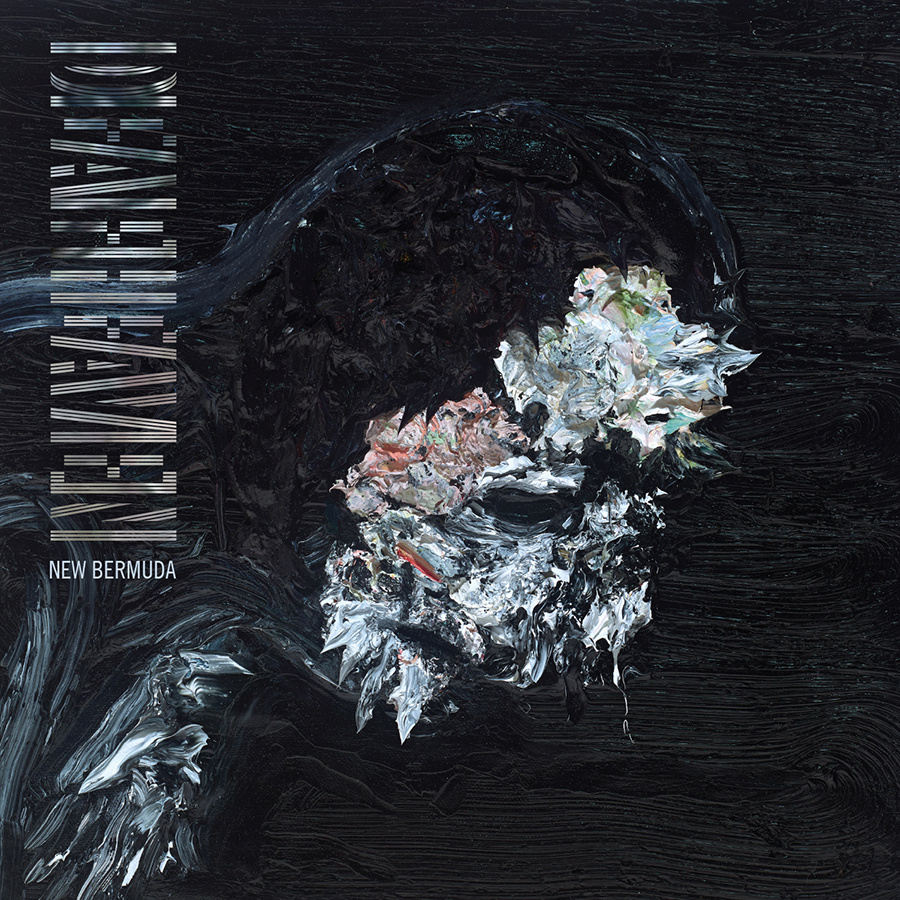
Let’s get this out of the way – there’s no such thing as ‘pop-black metal.’ It’s a combination that would go together like salmon and cherry. To call Deafheaven the “poppiest” black metal band is a misnomer, it’s a meaningless statement. The last person to complete a marathon still completed a marathon. Yet listening to Deafheaven is like running a marathon – it’s a test of physical stamina, and not everyone will finish. The black metal band’s third album greatly loosens the grip on shoegaze, but tightens it on the metal, making for an even louder listen.

Chances are, if you’re reading this, you already have an opinion on Deafheaven. Anyone even remotely aware of current metal does. I raved over “Sunbather” way back when, and I think “New Bermuda” is an even more intense record. “Sunbather” was split into sections, where the listener was offered a break after every draining track. “New Bermuda” comes without that option, offering solace only in the songs themselves. At five songs, it’s slimmer than “Sunbather” and shorter, too. And it’s because the ear breaks come at shorter intervals.

The album’s breaks in volume are centered in quieter guitar rhythms, soundclips, and fade-outs. Twice the band fade-outs early, leaving the last few minutes of a track to audio clips and stuff you can quickly tune out to. Thanks, Deafheaven. The band grabs hold of the listener early and doesn’t really let go.

Although the band strays much further away from shoegaze, they still find ways to keep it original. George Clarke’s vocals are simply louder than on previous records. Instead of blending him into the music, the band has decided to put him front and center, his screams searing through the guitars like a katana in the rain. His lyrics are deeply poetic, if not entirely unintelligible. Opening track “Brought to the Water” is less draining than the “Sunbather” songs. And closer “Gifts For the Earth” actually features acoustic elements that border more on alternative than metal, much to the chagrin of late-20 somethings in Megadeth shirts.

But still, Deafheaven are here to bring the pain. “Luna” is possibly the most merciless song they’ve ever done. It starts like any Iron Maiden song – with its muted guitar riff and speedy drumming. But it is relentless. The whole album is, occasionally giving the listener glimpses of what life on the outside of Deafheaven is like, a less painful world that they cannot share in. Deafheaven, in their third album, have distanced themselves from their famous roots – they don’t want to be seen as pop-metal famous, and don’t want to contribute to polarized metal. But polarization is a key part of music, even metal, and Deafheaven have proven that they can not only write a record that’s brutal in sections, but one that’s brutal throughout. “New Bermuda” has a wide potential audience, maybe one wider than they expected. But it’s not for everyone, and sour metalheads that made their mind up two years ago aren’t going to be swayed back. Their loss.

-By Andrew McNally

Nerina Pallot – “The Sound and the Fury”

Grade: A-

Key Tracks: “There is a Drum,” “Rousseau”

The phrase “The Sound and the Fury” has a history deep in death. Macbeth first utters the phrase in a soliloquy in Act V, after learning of the death of his lady. And, more famously, William Faulkner adapted it as the title for what is arguably his most well-known novel. It doesn’t necessarily work for any real context on Nerina Pallot’s fifth studio album, but it does separate her from other singers. Pallot, by definition a singer-songwriter, incorporates more music (Sound) and darker themes (Fury) into her music than her contemporaries. “Fury,” like her previous albums, is filled start to finish with memorable songs, each brimming with Pallot’s devotion to making every moment unique.

The album’s opening is indicative of her music as a whole. “There is a Drum” starts with a half-minute of pretty, dreamy guitar before stopping completely and giving way to a haunting, disproportionately-loud horn that sounds like it came from the mountains of Tibet. It sets the tone for the album – two parts melodic, one part dark, and filled with music. “Drum” and later track “Spirit Walks” handle inspiration and music from other cultures, a thin line that British native Pallot walks largely with respect.

Other musical highlights on the album include the previously released “Rousseau,” a slower song centered on a steady, picked guitar line that might not sound out of place in an older Coldplay song (alternately – speed it up and it’s almost ska-like). “The Road,” the album’s other single besides “Rousseau,” has a long musical outro that highlights Pallot’s reliance on a full package, not just her. “Boy on the Bus” has a unique, wavey sound, and closer “The Longest Memory” ends the album on a strong musical note (no pun intended).

Most of the album’s songs were released last year. Pallot released an EP a month in 2014, and put the fan-voted best tracks on “Fury,” plus a few new songs. A busy Pallot released 60 songs last year, and this album serves somewhat as a highlights package. But it is cohesive; you wouldn’t even know this borders as a collection. Musically and lyrically, it maintains a tone but each song shoots off of it in a different direction. Some songs are full in sound, some intentionally restrained. Pallot’s earlier releases generally match “Fury” in both tone and quality. Pallot hasn’t broken in America yet; in fact, she’s barely spoken in whispers. I don’t know why this is. Pallot probably isn’t bothered by it. But for me, that’s my “Fury.”

If you like this, try: MisterWives debut, “Our Own House.” It’s got less substance, but it’s also an inherently great and diverse indie-folk work.

An Intimate Night With the Greatest Punk Band That Ever Was

(Photo by me)

Whomever said punk is a young man’s game is sorely mistaken. Last night, I got to see Television live, and even in 2015 they absolutely crushed it. I’ve been doing some thinking lately, nothing more than shower musings, about who I think is the best band in each genre of music, the one that defines it the most. I haven’t come to many conclusions, but one that I did come to was that Television was the best punk band. Sorry, Clash. The band’s attitude and style is what did it, but they convinced me as much in 2015 as they would have in 1976.

Punk, as I have come to understand in my years transitioning from Rancid to Patti Smith, is more a spirit than a genre. It’s not necessarily about anarchy and destruction, though a part of it. It’s about doing what’s unexpected, unwanted; breaking the status quo. Iggy & the Stooges did this in Detroit, so did the MC5. They rallied against the sex, drugs and blues-rock and roll of the time in the same way Black Sabbath did. They upped the volume and came out angrier. The Ramones changed the game again by setting a template – power chords, 2:30 songs with apathetic or political lyrics. This template is still in place today – everyone from NoFX to the Dropkick Murphys to FIDLAR follow this format in some way. But that’s the problem – it’s a format. Punk, itself, has an incredibly tired and ironic template to it.

Television was one of a few CBGB’s bands in the late 70’s that seemed to foresee this template problem. Blondie and the Talking Heads added pop elements, and took off a whole new genre. Patti Smith was setting her spoken word poems to music. Television looked less at the music and more at the template – short songs, fast, loud music, and did away with all of it. Their classic album “Marquee Moon” is marked with slow-burners, tracks over (or well over) five minutes, and long, technically proficient guitar solos on every song. A virgin ear might mistake them for a classic rock band living in the wrong part of the city. Their songs are restrained, but the band has an energy to them – noticeable on the very first chord of “See No Evil” – that says they can run with the big dogs, they’re just choosing not to.

Tom Verlaine’s lyrics, making allusions to poetry and art (the Venus de Milo, for instance), didn’t stand on the same platform as, say, “I Wanna Be Sedated.” Maybe Television was in the right place at the right time. Or maybe, when we look back at them today, we still consider them a punk band because their music demands so. Technically remarkable lead and rhythm guitars interlock across albums, with Verlaine’s and Richard Lloyd’s tension almost palpable. And with the general lack of guitar distortion, and a clean, jazzy sound, it was the purest of music. It was what the other bands weren’t doing. It was punk.

I truly had no worries about Television ruining this legacy for me. I knew that if they couldn’t sound great live, they wouldn’t tour. And they delivered, from a performance standpoint – next to nothing was changed in the songs. At first I was disappointed in the lost opportunity for longer solos, but then I remembered that their albums aren’t punk statements, they’re works of art, and fine art should not be tampered with. And as such, their setlist consisted of every song off “Marquee Moon,” out of order. Verlaine played piano sections on his guitar, muting his strings to sound like piano keys. And on a number of songs, he self-indulged and plucked and warped the strings to sound like a one-man string section. I couldn’t wrap my head around it and I still can’t.

The crowd was as diverse as expected – fathers and sons, lost young scuds like me, and older burn-outs. A man in front of me who could have passed for Hilly Kristal wore a Patti Smith Group sweatshirt and jammed to every song like it was his 200th time seeing the band, gleefully ignorant of the 35+ years behind him. To the right of me was a pretentious 30-something who played air guitar the whole night, despite having a drink in one hand and his other arm over his girlfriend’s shoulder.

But aside from the performance, Television delivered in the punk spirit as well. Permanent Lloyd stand-in Jimmy Rip came out in a bowl hat and beard that looked like a high-dollar Tom Waits Halloween costume. Verlaine, in an unzipped hoodie that may have been a size too big (he hasn’t gained a pound since they shot the “Moon” cover). The setlist consisted of “Marquee Moon,” but the encore was pure unpredictability – “Little Johnny Jewel,” a cover of Count Five’s “Psychotic Reaction” (always a staple of their live show), and an unreleased track called “I’m Gonna Find You.” Their second two albums “Adventure” and “Television” were left untouched. The show itself had an aura of unpredictability – opener Dennis Driscoll performed with an improvised saxophone, courtesy of Morphine’s Dana Colley, and his set ran long. Soon into Television’s set, someone behind me yelled to turn the bass up, to which Verlaine pointed to Fred Smith and said aloud, “Move closer to him.” Verlaine was louder when he was talking to the audience than when he was singing into the mic, the vocals lost in the music. And in the encore, when they were transitioning between “Reaction” and “Find You,” a game being played by an excruciatingly bored security guard on his phone was audible. For a show with 65+ year old men on stage, in a small but classy venue and a randomly assorted audience, a punk spirit still came through. The Ramones may have passed, the Sex Pistols riddled by death, the Clash riddled by maturity. But for one night, the spirit of 1976 came through, if only briefly. Television, keep doing your thing.

-By Andrew McNally (photo credit is mine)

The Dead Weather – “Dodge and Burn”

Grade: B

Key Tracks: “Rough Detective” “Open Up”

Whenever I bring up the Dead Weather, I find myself constantly defending them. I always ask myself ‘why? I think they’re a great band.’ But I get that that their brooding, scuzzy alt-pop is kind of a turn-off to some, and an unnecessary throwback to others. Plus, there’s the whole “Jack White is a dumpster human” thing. But “Dodge and Burn,” their third album, tries to right those wrongs.

Off the bat, there’s a problem with this album – the energy isn’t really kicked in until the halfway point. Their last album, 2010’s “Sea of Cowards,” starts off with a deafening rhythm on “Blue Blood Blues.” No rhythm matches that until “Rough Detective,” the sixth track of twelve. But the Dead Weather are trying to show that they don’t need to up the volume to be weird, to be engaging. It doesn’t always work from the get-go, “Buzzkill(er)” lives up to it’s title. But early tracks like “Three Dollar Hat” show that the band is adapt to minimalism as much as the opposite.

Still, the volume-heavy tracks like “Rough Detective” and immediate follow-up “Open Up” are the strongest – there’s just nothing like them. The Dead Weather show a wider range on “Dodge and Burn,” and although it leaves more room for mistakes, it shows them uniting as a band too. The Dead Weather work best when the listener remembers they’re a band – in paradoxical ways. Sometimes, they’re in unison, and sometimes they’re competing for the spotlight. The Mosshart/White vocal tracks have always been the band’s best, and we get too few, but it’s what makes “Rough Detective” so strong. Unlike White’s other projects, the Dead Weather feels the most like four people, expressing their emotions related to the project. This is reflective in the songwriting credits – each member is credited to at least five songs, with four songs credited to all four members. The Dead Weather are a band, and they reflect it.

The only song with a single credit is the piano finale, “Impossible Winner,” credited solely to Alison Mosshart. It is weirdly toned-down song, too pretty for a Dead Weather. It isn’t a red herring, necessarily, but it isn’t a showcase of talent, either, because we already knew these musicians were capable of it from their other projects. Though a great song on it’s own merit, it sticks out as a mistake on “Dodge and Burn.”

The album does have its inconsistencies, but it does balance restraint and, well, the opposite. It isn’t the strongest Dead Weather album, but it’s a good listen, and nice just to have them back in the first place. We can look forward to their next album, in either eight months of five years.

Lana Del Rey – “Honeymoon”

Grade: B+

Key Tracks: “God Knows I Tried” “High By the Beach”

It is 2015, and Lana Del Rey has nothing left to prove. She has two successful albums, a unique voice, and a controversial SNL appearance. So where is the sultry songstress to go next? “Honeymoon” sees the singer retreat into character, simply spinning tales of seductions gone right and seductions gone wrong.

Lana Del Rey’s major debut “Born to Die” helped establish her as a strong singer, and one with a Bond girl-like aura. Last year’s “Ultraviolence” helped build up her persona as a Hollywood classic sob story plucked from time. So on “Honeymoon,” she reconciles these two works, and lets her voice alone carry the album.

Indeed, trying to pick out her best vocal song on “Honeymoon” would be no easier than just throwing a dart at the tracklist. Her voice, powerful but restrained, dominates every track on the album. She coolly draws the listener in, like a scent drawing in an animal in an old cartoon. And suddenly, we’re trapped, ready to either join her or listen to her talk about others that didn’t join her. Del Rey’s voice is easily the strongest aspect of this album, to the point that reviewing the music is irrelevant; if you’ve heard lead single “High By the Beach” then you’ve heard the most musically interesting song on the album.

“Honeymoon” does suffer from a problem that her first two albums skirted around, and that’s repetition. This album is repetitive to a fault, every song engineered the same way like the old club singers used to do. The two exceptions are a weirdly misplaced reading of a T.S. Eliot poem, and a cover of “Don’t Let Me Be Misunderstood.” The album takes a few listens before tracks soak up individually, which is not something to say of her first two (especially “Ultraviolence”).

Still, “Honeymoon,” once given time to air out and set itself align, is quite a pop album. Del Rey has settled into her pop persona remarkably well. Between her three major release albums, she’s established both a voice and an identity, and has set herself aside from any contemporaries. Each album has its own being, with fault, but each is strong. It wouldn’t be surprising to see more of the same from Del Ray soon, but then again, it wouldn’t be surprising to see something totally different, either.

If you like this, try: Nico, the film “Sunset Boulevard”

-By Andrew McNally

FIDLAR – “Too”

Grade: B+

Key Tracks: “40oz. on Repeat” “Overdose”

With track titles like “Punks,” “Overdose,” and “Bad Habits,” it might seem like “Too” is more of the same from FIDLAR. Their first album, mind you, had “Blackout Stout,” “Wake Bake Skate” and “Cocaine.” It might feel like there’s a gambit in song titles that FIDLAR is quickly running through. But, their sophomore album is an album that some people, myself included, didn’t anticipate coming so soon – the conflicting, adult album. Most punk bands grow up sometime – Rancid’s “Life Won’t Wait,” Dads’ “I’ll Be the Tornado.” FIDLAR’s maturity is a very reluctant one – some tracks on “Too” feel like holdovers from still-recent partying years. But as the guys grow up, they’re begrudgingly accepting a more sober life.

One of the best qualities of FIDLAR’s debut album, a personal favorite of mine, was an underlying, barely visible sense of angst. It only came out in certain songs, when the guys were sober enough to see that there were far too many problems in the world. Through the more youthful and the more adult songs on “Too,” the unifying sense is still the slight angst. This time, it’s on a more personal level, as “Too” is heavy on self-reflection. “I don’t know why it’s so difficult for me to talk to someone I don’t know,” is sung on “40oz. on Repeat.” “One week sober / and I’m still hungover,” from closer “Bad Habits.” “FIDLAR” was a humorously self-deprecating album, but “Too” ditches the humor. Take the lyrics from “Bad Habits,” set them in an entirely different musical context, and they could fit nicely on an Alice in Chains album.

But they’re still at a crossroads, because there’s still party tracks. “Sober,” despite the title, is almost inarguably the strangest song in the band’s catalog, with the opening third of the song done almost in spoken word (think the beginning of “The Sweater Song”* but with the vocal melody of “Baby Got Back”). And the album’s penultimate track, “Bad Medicine,” is a >3 minute song that feels like one last punk blast, for old time’s sake, the inverse of Renton taking one last injection in Trainspotting.

As with their debut album, the band has an innate and unexpected ability to eschew any one sub-genre of music. The downside is that it leaves FIDLAR without a distinct sound, something important in punk. But the upside is that each song is going to sound distinct. “Punks,” originally (or perhaps erroneously) titled “The Punks Are Finally Taking Acid,” is a heavy song, centered on a guitar riff akin to a quickened “She’s So Heavy,” with pained, screamed vocals. But follow-up “West Coast” is the kind of bouncy sing-along you more expect from the band. It goes back and forth, often reflective of the lyrics, and it adds a cohesiveness to the album. The lyrics are well-rounded, so the music should be too.

“Too” does ask one question that it does not answer – who should FIDLAR’s audience be, now? Their first album was able to answer that question very, very easily – partying punks and skaters. It’s practically a Ten Commandments for SoCal late teens who are gradually becoming less aware of Mat Hoffman. But their second album was made more for themselves, and that’s a dangerous line to cross. Just because we’re being let on on FIDLAR’s internal struggles doesn’t necessarily mean it’s something we want to see. I’m genuinely not sure who the intended audience is for this record, as the partyers generally aren’t going to warm up to the sobering songs as much. There’s a mixed audience for the album, and it’s going to be divisive among fans. Still, there’s enough going on that it stands as a solid, and different sophomore release. I’m just worried about what the band is going to have to go through for the next album.

* – I saw FIDLAR a couple months ago in Boston and they covered “the Sweater Song,” replacing most of the verses with the word “meow” repeated over and over again. Inspiration? Probably.

If you like this, try: Perfect Pussy’s “Say Yes to Love,” another album where a punk band suddenly tightened up, but not without a total maturity.

Titus Andronicus – “The Most Lamentable Tragedy”

Grade: B+

Key Tracks: “Lonely Boy” “Dimed Out” “More Perfect Union”

One of the things that made Seinfeld so great was a general lack of continuity – you can flip on any episode on TBS at 3pm or am and jump in. Sure, there’s recurring jokes – the person getting washed behind the sheet at the hospital George’s mom is in is my favorite. But each episode is pretty standalone, even for a sitcom. So it’s weird that Titus Andronicus stands by their Seinfeld references, in a way. Their fourth album, “The Most Lamentable Tragedy,” is an album that links all three of their previous albums up. It continues the “No Future” trend from “Titus Andronicus” and “The Monitor,” but left off of “Local Business.” One of this album’s best songs, “More Perfect Union,” is a reference to “A More Perfect Union,” from “The Monitor.” And “I’m Going Insane (Finish Him)” is a lyrical cover of their own “Titus Andronicus vs. the Absurd Universe (3rd Round KO)” from “Local Business.” There’s even the Seinfeld reference, a “Hello, Newman” shout on “Lonely Boy.”

Look, I love Titus Andronicus. I’ve long called them “America’s best rock band.” A picture I took of them at the Brooklyn Bowl has been the background on my phone for a few years. I didn’t ‘stand by them’ when they released “Local Business” – it’s one of my very favorite albums, I listen to it in full nearly once a week. So when they announced a 29 song, 93+ minute rock opera, I went into cardiac arrest. And as I was staring at it after it came out, before I listened, I thought – “there’s few bands that could really pull this off, and I’m not sure +@ even can.” “The Most Lamentable Tragedy” isn’t their strongest album, but in terms of ambition and effort, it is indeed unmatched.

The album is separated into five acts, much like Foxygen’s “…And Star Power” last year. The opera follows Our Hero, as he meets his doppelganger and struggles with manic depression, a reflection of Patrick Stickles’ own struggles. Stickles has reflected before – “The Monitor” reflected his depression, where my favorite +@ song “My Eating Disorder” details his selective eating.

There’s a lot to take in on the album, at 29 songs and over an hour and a half long. Given that the band has always centered itself equally on music and lyrics, there’s rarely one more worthy of attention – and that comes through the most on songs that feel like they could’ve been cut. It runs too long, even as an art project, and the average-lengthed songs start to bleed together a bit. There’s also a surprising number of them – although two of the songs are over nine minutes, and thirteen are under two minutes, most of the other tracks are between 3:00 and 4:30, unexpected for a band comfortable in the 5:00-6:30 range. Some songs, like “Dimed Out” and “A Pair of Brown Eyes,” feel zipped-up and perfectly sliced because of it, but some songs feel underdeveloped in that range.

The album keeps things interesting by engulfing all of Patrick Stickles’ influences, rather than focusing on one. Early on, especially on “No Future Part IV: No Future Triumphant” and “Lonely Boy,” the band directly channels their inner Springsteen. As the album gets more indulging, the band expands influences, from hardcore (“Look Alive”) to the Pogues (“A Pair of Brown Eyes”) to the traditional (an unexpected “Auld Lang Syne”). There’s a lot going on here, and it gets switched up so consistently that it feels like where in the manic itself.

“The Most Lamentable Tragedy” is a flawed but strong album. Just when it starts to lag, it winds up again and hits you with another punk blast. And it’s needlessly but joyously self-indulgent, keeping all of the band’s linked narratives going. It’s punk, it’s indie, it’s gospel, it’s anything you’d imagine Titus Andronicus to be. It succeeds just because it has the sheer audacity to demand it so. “The Most Lamentable Tragedy” is a beast, and with another dense, lengthy concept album under their belt, it’s safe to say we have no idea where +@ are going next. Their next album might equate struggles with body identity to stories of ancient gods, or it might be a Bon Jovi covers album. It’s tough to say, and that’s what makes +@ America’s best rock band.

If you like this, try: self-immolation

-By Andrew McNally

Fade In Playlist: Wilco

With the surprise release of their ninth album, the lawsuit-nudgingly titled “Star Wars,” Wilco have entered another new chapter in their career. Most bands won’t have as many phases as this over only nine albums, but most bands aren’t Wilco. From Texas blend alt-country, to Chicago migraine-imitating noise rock, to a restless feeling of “dad” music, Wilco have managed to separate and reflect on their influences individually, based on the times. And with no bad albums under their belt, there’s a lot of ground to cover if you’re just getting into them. So I’m here to help – below is a Spotify playlist of 10 Wilco songs to get you started. Because picking 10 good Wilco songs could basically be done by just throwing 10 darts at a list of their music, I’ve limited my personal picks and leaned heavily on what I feel are their objective best works.

Since I jump around in their discography, here is a list of their albums chronologically:

“A.M.” – 1995
“Being There” – 1996
“Summerteeth” – 1999
“Yankee Hotel Foxtrot” – 2002
“A Ghost is Born” – 2004
“Sky Blue Sky” – 2007
“Wilco (the Album)” – 2009
“The Whole Love” – 2011
“Star Wars” – 2015

1) “Misunderstood”

One of the earliest great Wilco songs, “Misunderstood” shows the band already tempting their audience with an avant-garde sound. 1996’s “Being There” was the band’s second album, and one that established them as an alt-country group worth watching. But the leadoff track has a heavy, restless guitar line amidst its piano and country rhythms. It was a sign of what was to come, and is still a live staple to this day.

2) “Wilco (the Song)”

2008’s “Wilco (the Album)” saw the band poking fun at their diverse discography by embracing all of it at once. A weaker release in their discography, but still a fun insight into a band looking back at themselves. Another leadoff track, “Wilco (the Song)” is a quick, catchy guitar ditty reminiscent of their “Summerteeth” era transitional period. Though simplistic, it’s both indicitave of the band’s power on the indie front, and a song that never gets old.

3) “Impossible Germany”

Definitely one of Wilco’s best songs is a showcase for Nels Cline. In between “A Ghost is Born” and 2007’s “Sky Blue Sky,” Wilco drafted legendary jazz and noise rock guitarist Nels Cline and let him show off here. The song follows a “Marquee Moon” trajectory – a song they’ve covered live – by starting as a standard rock song, with cryptic lyrics, before devolving into a very lengthy guitar solo. And just like the Television song, the best part of the solo is when the rhythm guitar line develops on it’s own. And despite it all, “Impossible Germany” manages to have a relaxed, calming tone to it. A modern guitar odyssey.

4) “I’m the Man Who Loves You”

The legend of Wilco’s utter struggle and total redemption recording 2002’s “Yankee Hotel Foxtrot” has been extremely well-documented, so here’s just a quick rundown – band members came to blows over the album’s significantly more noisy, abrasive and unpredictable sound, and from the time recording started to the album’s release, two members were replaced. Meanwhile, Reprise Records rejected the album, as even Wilco’s more radio-friendly work wasn’t selling. They asked for the rights to their music back, which Reprise gave for free. Wilco then sold the album to Nonesuch Records – another Warner Bros. subsidiary, who released it. The album, which was originally slated for release on 9/11, eventually came out on 4/23/2002, with the band touring with a different line-up than on the album. But it has gone on to become Wilco’s most successful album, and a certifiable indie classic. Picking just two songs from the album for this list is nearly impossible, but this song is both the album’s most abrasive and catchiest song, an example of how well they’ve become at blending the two.

5) “Where Do I Begin”

Over a decade after “Yankee Hotel Foxtrot,” we’ve got Wilco feeling restless again. Their new album “Star Wars” is their first fun album in a long, long time, and shows the band refusing to mature and settle into a “dad-rock” sound that they’ve been on the fringe of. While the album is filled with guitar-heavy ditties, the best songs are ones like “Where Do I Begin,” which start like previous midtempo Wilco songs that give the aura of “Okay, they got that out of their system,” before suddenly switching gears. “Where Do I Begin” stops suddenly and lets a jazzy drum line come in and wrap up the song, all in under three minutes.

6) “Via Chicago” (Live Version)

Look, no band is perfect. No band knows this better than Wilco. Back before they had nine albums, Wilco once did a multi-show run in their now-hometown Chicago where they played every song in their discography over a few nights. There were some that Tweedy apologized for and complained about them being too boring. To me, “Via Chicago” is one of those – a centerpiece of “Summerteeth” that’s a dull ballad. But this live version from “Kicking Television” again highlights the way Wilco have an eye for warping and changing their music, by incorporating three sudden, sweaty noise build-ups amidst the original version. It’s a shock. Bonus: watch the video, where Tweedy calmly plays his acoustic guitar, totally ignoring the insanity around him.

7) “Walken”

“Walken” is a live staple for Wilco, even though audiences usually seem lukewarm to the band playing it. I don’t get it – it’s one of the most fun songs in the band’s discography. With semi-meta lyrics surrounding a country guitar line and jazzy drums, it’s an amalgum of Wilco’s interests. And, as a part of “Sky Blue Sky,” it’s Nels Cline-heavy. “Walken,” with no actual relation to the actor, is an upbeat track with a number of different things going on at once, and shows how well the band works together, especially with their current long-running line-up.

8) “Can’t Stand It”

The tribulations of “Yankee Hotel Foxtrot” really started back with 1999’s “Summerteeth.” Warner Bros. had joined with Time and were in debt – the labels were pressured to find hit acts. Howard Klein – the man who kept convincing Reprise to stick with Wilco – made it his swan song to convince Reprise to do it yet again (something he couldn’t do with “Yankee,” as he was soon fired). Reprise told Wilco they needed a radio hit single, so the band agreed “once and only once” to rework one song, “Can’t Stand It,” into a poppy single. The reworked version, done in one day, leads off the album, but unfortunately still wasn’t enough – it failed to make airwaves and the album sold less copies than it’s predecessor, “Being There.”

9) “Company In My Back”

I’ll be upfront on this one – I’m not really a fan of Wilco’s fifth album, “A Ghost is Born.” Tweedy adapted even more of a lead role on the album, playing lead guitar for the first time in the band’s run. The album, the follow-up to “Yankee,” follows the unpredictable tone but is significantly darker, with Tweedy taking inspirations from his lifelong migraine problem, which had been getting even worse. Wilco’s most infamous song, “Less Than You Think,” is a 15-minute electro-drone song that is supposed to mimic a migraine (an interesting piece that’s extremely out of place on a Wilco album). Still, the album has some great tracks, like this surprisingly catchy low-key one. It’s a rare Wilco song that would fit on any album.

10) “I Am Trying to Break Your Heart”

One of Wilco’s most well-known songs, the opener to “Yankee” is an avant-garde opus, nearly seven minutes of nonsensical lyrics, drones, clock chimes and piano. Naturally, the meat of the song is still very catchy, but everything going on around it was nothing that Wilco fans had ever heard before. Any noise influence before “Yankee” – and most after – was crafted just with studio instruments. But this song pummels itself into outside noises. And tempo changes, and a reference to an upcoming song (“I’m the Man Who Loves You,” again). “I Am Trying to Break Your Heart” must have been the underground version of Dylan going electric – an alt-country band going freak-out. The song may have been written from the depths of Tweedy’s opiate addiction, and while 75% of me is glad he kicked it years ago, 25% of me wants another “I Am Trying to Break Your Heart.”

There’s really no saying where Wilco will go next, but given their track record, it’s likely to be something they haven’t done before – and it’s probably going to be great.

Previous playlists: Beck, Death Grips

By Andrew McNally, who has loved Wilco for many years but has sadly only seen them once.