Titus Andronicus – “The Most Lamentable Tragedy”

Grade: B+

Key Tracks: “Lonely Boy” “Dimed Out” “More Perfect Union”

One of the things that made Seinfeld so great was a general lack of continuity – you can flip on any episode on TBS at 3pm or am and jump in. Sure, there’s recurring jokes – the person getting washed behind the sheet at the hospital George’s mom is in is my favorite. But each episode is pretty standalone, even for a sitcom. So it’s weird that Titus Andronicus stands by their Seinfeld references, in a way. Their fourth album, “The Most Lamentable Tragedy,” is an album that links all three of their previous albums up. It continues the “No Future” trend from “Titus Andronicus” and “The Monitor,” but left off of “Local Business.” One of this album’s best songs, “More Perfect Union,” is a reference to “A More Perfect Union,” from “The Monitor.” And “I’m Going Insane (Finish Him)” is a lyrical cover of their own “Titus Andronicus vs. the Absurd Universe (3rd Round KO)” from “Local Business.” There’s even the Seinfeld reference, a “Hello, Newman” shout on “Lonely Boy.”

Look, I love Titus Andronicus. I’ve long called them “America’s best rock band.” A picture I took of them at the Brooklyn Bowl has been the background on my phone for a few years. I didn’t ‘stand by them’ when they released “Local Business” – it’s one of my very favorite albums, I listen to it in full nearly once a week. So when they announced a 29 song, 93+ minute rock opera, I went into cardiac arrest. And as I was staring at it after it came out, before I listened, I thought – “there’s few bands that could really pull this off, and I’m not sure +@ even can.” “The Most Lamentable Tragedy” isn’t their strongest album, but in terms of ambition and effort, it is indeed unmatched.

The album is separated into five acts, much like Foxygen’s “…And Star Power” last year. The opera follows Our Hero, as he meets his doppelganger and struggles with manic depression, a reflection of Patrick Stickles’ own struggles. Stickles has reflected before – “The Monitor” reflected his depression, where my favorite +@ song “My Eating Disorder” details his selective eating.

There’s a lot to take in on the album, at 29 songs and over an hour and a half long. Given that the band has always centered itself equally on music and lyrics, there’s rarely one more worthy of attention – and that comes through the most on songs that feel like they could’ve been cut. It runs too long, even as an art project, and the average-lengthed songs start to bleed together a bit. There’s also a surprising number of them – although two of the songs are over nine minutes, and thirteen are under two minutes, most of the other tracks are between 3:00 and 4:30, unexpected for a band comfortable in the 5:00-6:30 range. Some songs, like “Dimed Out” and “A Pair of Brown Eyes,” feel zipped-up and perfectly sliced because of it, but some songs feel underdeveloped in that range.

The album keeps things interesting by engulfing all of Patrick Stickles’ influences, rather than focusing on one. Early on, especially on “No Future Part IV: No Future Triumphant” and “Lonely Boy,” the band directly channels their inner Springsteen. As the album gets more indulging, the band expands influences, from hardcore (“Look Alive”) to the Pogues (“A Pair of Brown Eyes”) to the traditional (an unexpected “Auld Lang Syne”). There’s a lot going on here, and it gets switched up so consistently that it feels like where in the manic itself.

“The Most Lamentable Tragedy” is a flawed but strong album. Just when it starts to lag, it winds up again and hits you with another punk blast. And it’s needlessly but joyously self-indulgent, keeping all of the band’s linked narratives going. It’s punk, it’s indie, it’s gospel, it’s anything you’d imagine Titus Andronicus to be. It succeeds just because it has the sheer audacity to demand it so. “The Most Lamentable Tragedy” is a beast, and with another dense, lengthy concept album under their belt, it’s safe to say we have no idea where +@ are going next. Their next album might equate struggles with body identity to stories of ancient gods, or it might be a Bon Jovi covers album. It’s tough to say, and that’s what makes +@ America’s best rock band.

If you like this, try: self-immolation

-By Andrew McNally

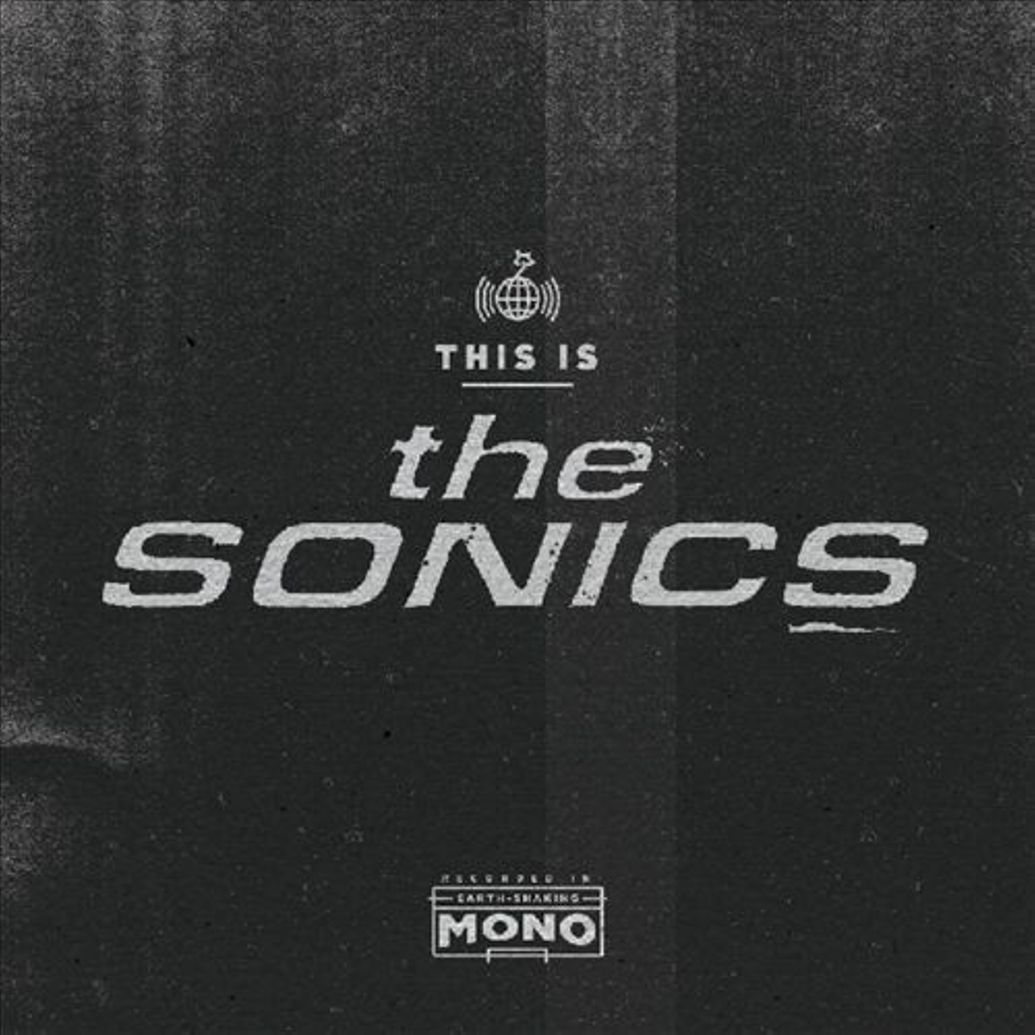
The Sonics – “This is the Sonics”

Grade: A-

Key Tracks: “I Don’t Need No Doctor” “Save the Planet”

Does history repeat itself, or do things never change?

Fans of My Bloody Valentine, Guns N’ Roses and the Stooges are breathing a sigh of relief. “At least I’m not a Sonics fan.” “This is the Sonics” now takes the cake as the longest time in between albums. It’s the first album from the band’s original line-up in 49 years, and they play like nothing’s changed. Although the members are now in their 70’s, they’re still playing incendiary pre-punk garage rock.

This album plays like a movie in a series that ignores the films that came before it. The Fast and Furious series ignores Toyko Drift, like the film never happened. Except that in the world of the Sonics, what hasn’t happened is punk, disco, new wave, hip-hop, metal, boy bands, and everything else since “Sgt. Pepper”. The Sonics play like they’re still the forefront of music, something that would be vain if it mattered. In reality, it’s an incredibly refreshing listen. The band blow through 12 garage instant-classics in 32 minutes, each as good as the last.

All of the instruments work off each other on the album – there’s no competition for value. This is partly garage-rock mentality, and partially due to the record being recorded in mono. The producer, the legendary Jim Diamond, does little more than hit the start and stop buttons, just recording the band live. To add any flourishes, or to clean the sound up, would do the band injustice. Instead, the band is recorded as they should be – geared up, roaring with a possibly vampiric energy that some bands can’t match when they’re young.

There’s only really two nods to the fact that the Sonics aren’t still in 1966. The first is the inclusion of horns, something that wasn’t in the band until entirely different iterations of the Sonics played into the 70’s. The other is the late-album “Save the Planet,” which addresses global warming in the most Sonics way possible, by letting us know Earth is the only planet with booze. “Reality’s for people who don’t know how to drink,” Jerry Roslie sings, daring us to ignore his age.

The Sonics still have a cynical edge to their lyrics, a cynicism that separated them from the more party-hardy garage acts of the 60’s. There’s a relatively harmless causal sexism to the lyrics, much like the 60’s, as well as songs like “I Got Your Number,” with “I’ve Got Your Number, and it’s 666” sung in an offhand way. By convincing themselves that 60’s garage rock still wants to be heard, they’ve convinced us that lyrics like this are still surprising. “This is the Sonics” boasts a very 60’s throwaway album title (like “The Who Sings My Generation”), but it’s also very literal – this is them, all these years later. And to anyone that wasn’t around then, this is what they were. And it’s what they still are. 2015 hasn’t stopped throwing surprises at us, and a wholly rocking new Sonics album is something none of us expected.

If you like this, try: early garage rock like this has a big influence on the Burger Records type surf-punk bands, try Japanther at their more direct (“Surfin’ Coffin”).

-By Andrew McNally

METZ – “II”

Grade: B-

Key Tracks: “Acetate” “Kicking a Can of Worms”

METZ named this album “II” because they knew it would serve as a sequel. They came out swinging on their self-titled debut album, and fell into the rarity of an instant classic punk release. Even in a crowded genre, the album defied genre. “METZ” was like a butcher, taking a typical post-punk album and rolling it into one long strand, making incisions every few inches. Their music is extremely metrical, in a way that punk and post-punk usually prides itself on going against. “II,” unfortunately, doesn’t quite keep the energy. But it is a proper sequel.

Sequels are difficult – how much do you acknowledge the original? On the spectrum of “Godfather Part II” to “Hangover Part II,” METZ here fall somewhere around “22 Jump Street,” or “Led Zeppelin 2,” in the acknowledgement that yes, it’s more of the same, but you liked it the first time. METZ have a formula to their music that’s distinctly their own, but they’re already deviating from it.

The worst moments of “II” are the ones where METZ sound like they’re retreading themselves. The band, surprisingly, suffers from the “Give ‘Em Enough Rope” struggle of recapturing a debut album’s sheer energy. The songs presented here are sometimes more forceful than others, and sometimes more well-mixed than others. “Acetate” and “Landfill” have energy to them, while “Spit You Out” and “Nervous System” could use a little boost. And while the balance between heavy instrumentation and vocals is usually balanced, on “Wait in Line” it is too heavily in favor of the music. The lyrics throughout edge on intelligible, but “Wait in Line” is the only track where they’re too muted.

Still, the band recognizes that they can’t completely recreate their first album, and they allow themselves some flourishes. There’s something close to a solo on “Spit You Out,” and there’s a tremolo bit on “Eyes Peeled” that could be mistaken for a solo. They break out of their own system a bit, more than they allowed themselves to do on “METZ.” The vocals on “The Swimmer” are more frantic than they were before. There’s signs that the band knows this is a brand that can’t keep going forever. And at the end of it, “II” still rocks pretty hard. They might not be able to keep this formula up for long, but it’s still working in their favor.

If you like this, try: There’s a hundred different ways I can go with this one, but I’ll keep it basic. One of the best of the year – Sleater-Kinney’s “No Cities to Love

-By Andrew McNally

Lightning Bolt – “Fantasy Empire”

Post also featured on seroword.com

Grade: B

Key Tracks: “The Metal East” “Mythmaster”

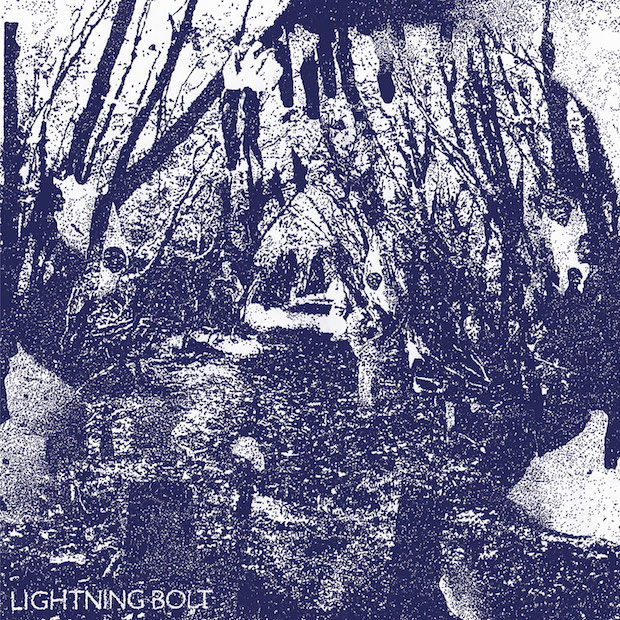
Lightning Bolt is 21. Lightning Bolt is living on its own, balancing school and work. Lightning Bolt can drink, vote and smoke with no consequence. On their seventh album, they embrace being 21 as an actual 21 year old might – by accepting the rigidity of adulthood, accepting the routine of routine, but not embracing it.

The band, still comprised of just Brian Chippendale on drums and indecipherable vocals, and Brian Gibson on bass guitar, give the impression they’re cleaning things up. The songs on “Fantasy Empire” feel more rehearsed. They’re more rhythmic, more practiced, more worn-in. The band even recorded in a proper studio for the first time in years. This is a trajectory most bands tend to follow – they’re crazy while they’re young, but once they get a taste of success they straighten themselves up. But, Lightning Bolt has been unpredictably successful for many years, so to hear a more straight-forward, repetitive version of the duo is surprising, to say the least.

Or at least, that’s what they want us to think. Lightning Bolt’s rigidity on “Fantasy Empire” is only surprising because we’re used to their wild inconsistencies. Their songs weren’t improvised, but they sure damn sounded like it. 2005’s “Hypermagic Mountain,” one of the albums that got me into noise music, is an hour of Chippendale beating the drums into submission and Gibson shredding wildly. On “Fantasy,” there’s central rhythms and tempo changes. The vocals are rhythmic and coordinated (if not still wholly indiscriminate). But they’re still the same band. On opener “The Metal East,” the band rages on like an ambulance driver in a snowstorm – an experienced one.

The Brians were really just growing tired of the recording process and wanted a change. “Fantasy Empire” is their first album since 2009, and some of these songs have been in their concert rotation since 2010. Musical maturity is a different route for the band. Sometimes, it works, like the sudden tempo change and crescendo on “Mythmaster.” Other times, like on “Horsepower,” the lack of insanity leaves them focus-less. More often than not, things come together. The band nods to metal, like on “Runaway Train,” and to pop, like on the surprisingly rhythmic vocals of “Over the River and Through the Woods.” They’re more leveled, letting you know when you’re going to be assaulted and by which instrument. Things come together more, there’s a semi-structured cohesiveness. And the level to which the listener finds it either off-putting or a breath of fresh air, is really up to the listener. It does leave a hole, as they begin to sound like the bands they’ve inspired. But it’s a small hole, because even in it’s maturity, Lightning Bolt is still a 21 year old band – not yet rid of a few pranks, a few tricks up it’s sleeve, and a whole lot of energy.

If you like this, try: The best recent comparison to “Fantasy Empire” is Melt-Banana’s 2003 “Cell-Scape,” where they held back and wrote catchier, more accessible songs – and in doing so, their stance as the most ferocious band on Earth was only heightened, through the power of planned blasts instead of a full-on attack.

Jeff Rosenstock – “We Cool?”

Grade: B+

Key Tracks: “You, In Weird Cities,” “I’m Serious, I’m Sorry”

Last year at some point, The Huffington Post published an article detailing bands that write a lot about drugs. And while most readers were left marveling at the fact that Tom Waits has survived it all and is still recording, I noticed that Jeff Rosenstock’s previous band pops up in the lists. It’s worth noting, as I’ve done so many times in the past, that Bomb the Music Industry! is my favorite band. By a whole lot. St. Vincent is a relatively distant second. So I was ecstatic to see BTMI! getting this coverage, even if 1) They were already broken up (to which I wrote this weepy post), 2) Most of the songs are unabashedly sad and, 3) It was in the Huffington Post. Now that he’s on his own, Rosenstock has the freedom to broaden his range. And although he does, “We Cool?” is still dominated by sad-drunk indie-punk songs.

Rosenstock sings “Malt liquor doesn’t make you young” in “Get Old Forever,” and “I’m always getting high when no one’s around” in “You, in Weird Cities.” Those are just the first two songs. “Nausea” and “Beers Alone Again” speak for themselves. He didn’t influence this wave of sad punk and emo bands, he practically invented it. The themes on “We Cool?” might echo those of (every BTMI! album), but we’re always going to be sad and infuriated, so it’s not at all a rehash.

Turn on nearly any track on “We Cool?” and it might sound like a BTMI! song left on the cutting room floor. But it’s a different record – it flows, musically, but not in the way that “Scrambles” or “Vacation” do. “We Cool?” balances different influences against each other. Weezer hot track “Novelty Sweater” bleeds into keyboard-heavy pseudo ballad “Nausea,” which then transitions into the harmonica-featuring “Beers Alone Again.” Rosenstock isn’t as constricted to a central theme, emotion, or season, like he was in previous bands. Instead, Rosenstock is investigating what it means to be a solo singer-songwriter. Perhaps it’s the maturity that comes along with the title, or perhaps it’s the first true solo work of someone who’s already a songwriting veteran at 32, but Rosenstock falls into singer-songwriter mode often on “We Cool?” He references ‘a god you never believed in’ on “I’m Serious, I’m Sorry,” which is itself a very singer-songwriter type song. And he focuses more on his voice – something BTMI! never focused on, to the point where they wrote a song about it (“Vocal Coach,” actually maybe my least favorite BTMI! song, but for other reasons). But for a punk singer-songwriter, Rosenstock’s vocals actually come through well, especially on “Nausea” and “I’m Serious, I’m Sorry.”

There’s debate over whether this is his first or second solo album – I say second. Either is correct. “I Look Like Shit,” released in 2012, was a collection of covers, B-sides and unreleased songs that had little flow to it. “We Cool?” is Rosenstock’s first cohesive solo album, and unlike “I Look Like Shit,” it’s highly re-listenable. It gets better after a few listens, even. What ultimately makes the album strong is that it isn’t associated with any of Rosenstock’s previous bands. He’s solo; it’s what he wants to do, even more on his terms than before. Sure, BTMI!’s John DeDomenici plays on the album, but it’s a Rosenstock show now. And although he strays beyond any conventions of structure, he sticks with the reluctantly-maturing, drunk-punk adult songs. Ten years ago last month, Jeff clicked upload on an album eventually titled “Album Minus Band,” under the Bomb the Music Industry! guise, expecting no response, not even from ASOB fans. Now, he released “We Cool?” a week early for no reason, to a wide, patient fanbase.

-By Andrew McNally

Sup, Muscles? – “More Feelings”

Grade: A-

Key Track: “It Totally Would Have Happened”

In an ever-growing emo scene, bands have to become more and more adaptable – twinkly guitars and lyrics about basements aren’t going to cut it anymore. It’s becoming a bloated scene, and bands have to find ways to stand out from the crowd. Pittsburgh’s Sup, Muscles? come ready to answer the question. While sticking to emo principles, their debut EP comes alongside less straightforward songwriting, dual vocals, and occasional saxophone.

Sup, Muscles? bill themselves as having a female lead singer (Molly Spear). So when the opening track, “I’m Resilient” starts, it’s surprising to hear a man singing. But after about a minute and twenty seconds, the song re-energizes itself and Spear takes over. What follows is a song that is both rhythmic and despondent, in a way a lot of emo bands aren’t entirely capable of achieving. It’s both fun and utterly desperate. The same goes for most of the five-track EP. The band balances different emotions instead of just playing an onslaught of sadness.

The band, consisting of Spear, Jacob Campbell (guitar/vocals), Trevor Wedekind (guitar) and John Paul Zigterman (drums), creates their appeal in the music and it’s songwriting. Three of the five tracks have tempo changes where the band essentially stops and regroups before various increases in volume/speed. It’s a little much, but it works on a track-by-track basis. It works the best on “Danica,” where the track does literally stop for a moment, before warping into something else. The songwriting is also a little math-y at times, complex and changing. “Drinking Alone Can Only Take You So Far” and the climax of “Something About Ghosts” offer the most intense moments, the former courtesy of rough energy, and the latter of dual, battling screams.

For the most part, the band focuses more on music than lyrics, but they do offer little slivers of wasteful gold. The climax to closer “Something About Ghosts” has singer Campbell screaming “I am a ghost” while Spear is screaming “You’re the living.” It’s a particularly affecting double line, especially considering that the lyrics prior aren’t the aspect that grab you.

“More Feelings” is a promising debut. It’s got more to offer than most by-the-books emo groups: dense music, tempo changes, reliance on screamed vocals. It never quite decides on a tone, and that’s fine, because it creates a bit of a disconnect. It makes the music feel like the band is trying not to care, even though they do – you know, like good emo. Spear’s songwriting is strong, and the band is creating music that is consistently surprising. The tempo changes do get a little exhausting, but Sup, Muscles? are clearly a band that take the time to perfect the uniqueness of their songs. It’s tough to break out into emo these days, but “More Feelings” is a solid start.

Listen for yourself here.

If you like this, try: House Olympics’ “…And My Mind is Restless,” another emo EP that relies on heavier vocals.

-By Andrew McNally

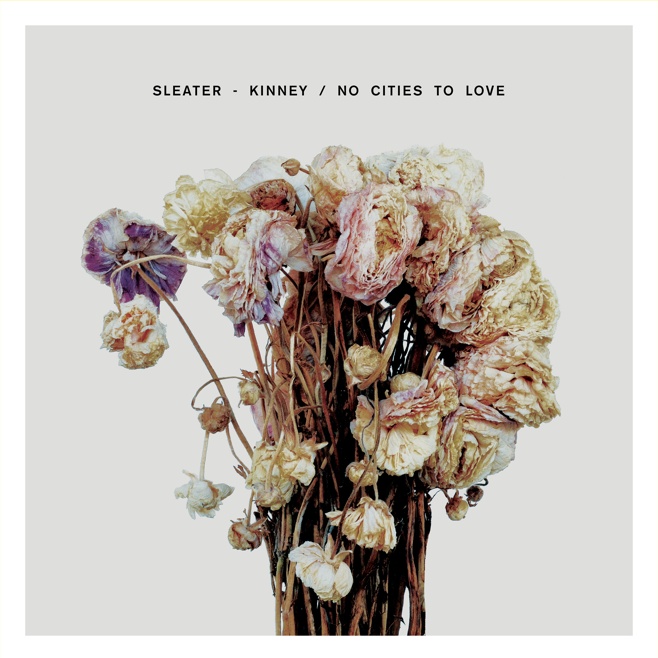
Sleater-Kinney – “No Cities to Love”

Grade: A-

Key Tracks: “Price Tag” “No Cities to Love” “Bury Our Friends”

Confession: This isn’t my first review of 2015. That belongs to Meghan Trainor’s “Title.” But do you know how cliche the metaphor is to start the year with a review of a debut? No, the first review of the year needs to be something more momentous – a comeback (and one that fits in well with my recent post on feminism in music, something Trainor does *not* fall under). So here, one of the biggest comebacks a blog like this could ask for – the first Sleater-Kinney album in 10 years.

Sleater-Kinney never really gave us a reason for their hiatus in 2006. It just seemed like they suddenly appeared, and suddenly disappeared. So, nine years after, it seems just as odd that they’d come back, especially given their successes – Janet Weiss has since played with the Shins, Wild Flag, Stephen Malkmus, and the densely uncrackable trio Drumgasm; Corin Tucker has found solo success; and Carrie Brownstein has found mainstream success as one-half of the largely improvised IFC show Portlandia (as well as Wild Flag). But 2015 needs Sleater-Kinney more than Sleater-Kinney needs 2015. We’ve caught up to their third-wave feminism; their leftist politics may have been “radical” for music in the 90’s (sad) but sound more anthemic today. There’s a revolution looming, and we’ve left Sleater-Kinney’s throne open for their welcome return.

Nearly needless to say, it’s an incredibly successful return. While Sleater-Kinney have never been a challenging band, their varying albums do rely on the listener to interpret the music, rather than the band. And for a band that’s woven through indie rock, riot grrrl and classic rock, “No Cities to Love” feels like a retrospective, that lets the listener reflect on which Sleater-Kinney exactly they’re listening to. Although “No Cities to Love” often sways sonically towards an indie S-K, it packs punk punches, and it’s brimming with energizing, political lyrics that are seemingly banned from indie otherwise. S-K’s political and social lyrics have never sounded fiercer, stronger, and Tucker’s vocals have a catchy scowl to them that entice the listener into their fury.

The album starts, by no coincidence, with “Price Tag.” The band sound like they’re restraining energy, not wanting to exhaust the listener from the get-go; but the lyrics about overspending on both political and personal levels rival the most ferocious and specific lyrics Against Me! or Sonic Youth could dream of. “A New Wave” matches the album’s catchiest, bounciest music with equally anthemic lyrics. “Surface Envy”‘s lyrics about making and breaking rules might sound a little tired, but S-K always have a way of putting out their own spin. And late-album highlight “Bury Your Friends” isn’t as political, but looks at the apathy of burying and reviving friends and idols (kind of like early songs by, well, Sonic Youth).

Musically, “No Cities to Love” leaps around. The title track is one of a few songs that’s outright catchy, with the band exploring its indie side. But “Surface Envy,” “No Anthems,” and “Fade” are all aided by a heavier, denser sound. Brownstein’s guitar is heavy throughout, reinforcing her importance and virtuosity in the guitar world. “Hey Darling” sounds like an indie track but has an unexpected heavy guitar, and “Surface Envy” has a dissonant chord running through its verses. “Bury Our Friends” even takes on a more mechanic tone at times, sounding more rehearsed and intentionally repeating than other tracks.

The Sleater-Kinney we get in 2015 is a mix of previous Sleater-Kinney’s, and it’s necessary blending. Indie and punk have come a long way in 10 years, and can go hand-in-hand now (whereas separated by sharp divides in 2005, unless you were Karen O or a member of Sleater-Kinney). “No Cities to Love” is rarely uneven, often totally complete, and serious in its beliefs. Comeback albums are tricky, but I don’t think there was much doubt that Sleater-Kinney could succeed in a world even more in need of political anthems. Leftist, catchy, angry and energetic, “No Cities to Love” is exactly what you want from a Sleater-Kinney album, just in the year 2015. Setting the bar high early, we’re 1-0 in great albums so far.

If you like this, try: Aside from rechecking your teen angst, rehanging posters you had in your bedroom in 1998, and remembering why you picked up a guitar in the first place, check out Potty Mouth’s 2013 debut, “Hell Bent.” Although more outwardly punk, Potty Mouth owe a lot to S-K’s feminist indie-punk sound.

-By Andrew McNally

(Okay. 1-1. Meghan Trainor review to be posted later.)

Crying – “Get Olde/Second Wind”

Grade: B

Key Tracks: “Bloom,” “Bodega Run”

To people who have never heard Crying, this double EP is something really new. To fans, it’s very literally not new. The first half is just a reprint of last year’s “Get Olde” EP, combined with a new “Second Wind” EP. So it can’t technically be labeled as an album, and the combination does not answer the listener’s question of why this was done in the first place. Still, “Get Olde” is an excellent EP, and their blend of emo, indie and chiptune is incredibly unique.

What separates Crying from Run For Cover Records labelmates like, say, Pity Sex or Tiger’s Jaw is definitely, unequivocally the use of the digital, video-game-y sounds. It’s a primary focus of their music – the main instrument on every track. Sometimes it’s shrill, sometimes it’s melodic, other times it doesn’t seem to fit and you wonder if you’re going to get a break from it. Luckily, Crying take it upon themselves to differentiate every track, so their unique sound doesn’t become an automatic staple after the first go-around.

It’s easy to describe Crying as a chiptune band, one instrument is literally a Game Boy. But where other bands have experimented with this before, they’ve never roped in such unexpected lyrics. Similar bands often take goofy tones, mimicking the video game world they’re trying to engross. But Crying sing on a real plane – real people in a real, crushing world. “Vacation” namechecks Costco and flip phones, proving they’re living in a globalized society. And frequent references to bodegas cement the band as New York apartment-dwellers, not suburban basement-surviving nerds. It’s a distinction, because Crying’s music has a dense aura to it.

Both EP’s have their up and down moments. They both end on slow tracks (“ES” and “Close,” respectively), and neither really works that well. But both EP’s have honest and devastating lyrics, often delivered in Elaiza’s exasperated vocals. And while “Get Olde” stays right by the Boy’s side, “Second Wind” lets up some room for some drum (“Easy Flight”) and some guitar moments (“Batang Killjoy”). The second side is more varied and denser than “Get Olde,” although the band is more consistent in the release’s first half. I’ve been on to Crying for a while now; their first full-lengthed release is an extremely interesting listen. It isn’t perfect, but it’s still a fun, desperate mess, and it’s a promising release for the future.

-By Andrew McNally

Rancid – “…Honor Is All We Know”

Grade: C+

Key Tracks: “Back Where I Belong” “Already Dead”

When you listen to an album like “…Honor Is All We Know,” the most immediate question is usually, who is this for? Rancid is facing the same problem many bands past the 20 year mark face – when you’ve made a career off a template, what do you do when it runs dry? This new album, their eighth, brings nothing new to the game, other than just reminding everyone they’re still going. But with a band like Rancid, that’s not such a bad thing.

2009’s “Let the Dominoes Fall” wasn’t a bad album, but it was pretty ho-hum. It was largely ska-based and lacked a real Rancid energy. This was all put forth in the lead single, “Last One to Die.” The meta-song acknowledged the fact that all of Rancid’s contemporaries have disbanded, died, gone through extensive line-up changes, or released “American Idiot.” But it also unintentionally admitted that they’ve been going too long, they’re sticking around just because they have no reason not to. This album’s best song is, probably with reason, “Already Dead.” This album brings the band’s energy back, even if there’s no reason for it’s existence.

In typical Rancid fashion, the first F-bomb comes within the first 30 seconds of opener “Back Where I Belong.” This might only be a facade of old Rancid, but they’re at least trying. Lyrically, the album is pretty scattershot. They’re pretty standard lyrics, about fighting when you’re down, gangs, East Bay, etc. Standard song titles – “Diabolical,” “Everybody’s Sufferin,'” “Raise Your Fist.” The most heavy-handed but direct lyrics might come curiosity of “Evil’s My Friend.” That title takes up some of the chorus, and it’s a laughably stereotypical Rancid song – what you could hope for in 2014. It’s unintentionally comical, but still so distinctly them.

The ellipses at the beginning of the album title is bold, because it subtly heralds a sequel album. 1995’s “…And Out Come the Wolves” is a punk legend. Stop and think – “Time Bomb,” “Roots Radical,” “Ruby Soho” and “Maxwell Murder” are all on that album. So announcing a sequel 19 years later, especially when most of your albums already sound the same, is bold. To Rancid’s credit, having most of music sound the same actually helps them here, as this could easily be a sequel. They pulled off two excellent, unrelated self-titled albums, one in ’93 and one in ’00, so there’s no reason a sequel can’t work. They’re just not the same level they were in ’95. At points, they sound tired, and at many points, they sound like a parody of themselves. Tim Armstrong and Lars Frederiksen have always shared lead vocals, but for the most part, neither sounds like themselves here. Frederiksen’s growly vocals sound forced, and Armstrong is out of energy. It’s easy to ignore, for the most part, but there are moments where it’s jarring. And that best track, “Already Dead”? They sound like ’95 Rancid on that one, so it’s off-setting.

So the album isn’t great, it’s just a collection of street-punk songs. But, you need to factor some things in. The collective age of Rancid is 175, average age being 44. That’s with the younger, replacement drummer factored in. Armstrong and Matt Freeman are both 48, respectively. Most bands, even punk bands, aren’t still going this hard at this time. So credit there. And they’re playing to a fanbase. What street punk is today is based almost exclusively off of Rancid. They’ve only expanded once – on ’98’s “Life Won’t Wait,” – before going right back to their quick attacks. So they have to be a little self-serving.

I’ve been listening to Rancid since high school, we’re going on eight or nine years. I’m not the fan I used to be, but I’ll be damned if I don’t get pumped when “Rejected” or “Axiom” come up on shuffle. I’m pleased with this record. They’re here, still giving it their all, telling us they don’t want to be just a placeholder band, releasing the same crap over and over again. They kind of are, but they’ve still got the energy. This is actually their shortest record, and it’s a little symbolic. It’s shorter than “…And Out Come the Wolves” by 1:33 – that’s a full Rancid song. Knowing that feels right, like they’re still in it. Rancid fans, and street punk fans in general, might listen to “…Honor is All We Know” once and discard it – but it deserves at least that listen. It’s stagnant, but it at least tries to resemble old Rancid, and it’s worth a listen. How much more than that is the listener’s own decision, but there’s a few tracks I might come back to.

If you like this, try: Bad Religion’s 2013 album “True North.” They took a back to basics approach – which for them is back to ’84 – and released an album full of 1:45 punk blasts. It’s great, they haven’t missed a beat.

-By Andrew McNally

Dads – “I’ll Be the Tornado”

Grade: B+

Key Tracks: “Grand Edge, MI” “Sold Year/Transitions”

Gone are the days of “Groin Twerk” and albums with ‘Radass’ in the title. Dads’ perpetual lyrical theme of growing up and drifting away comes stronger, as the Jersey duo mature in leaps and bounds over their last record. We saw this transition coming, on the decidedly not-so-emo “Pretty Good,” an EP that never really found it’s place. “I’ll Be the Tornado,” an LP, completes the transition into a serious, adult band. Except, they’re still punk.

Much like last year’s “Pretty Good,” the guys bounce around in a few different influences. This album has much more flow than “Pretty Good,” not trying to make any statements about the music, instead letting the audience accept it as it comes. The album’s acoustic opening isn’t a copout, it’s part of a build-up, and it’s unexpected. (And it’s reminiscent of this year’s largely acoustic Cardinal Cardinal EP, the side project of John Bradley). We’re still kind of expecting disassembled, roaring songs like “Get to the Beach!” but they’re not present. Instead, we get a number of flowing rock tracks, with occasional punk jams (“You Hold Back”), emo ballads (“But”) and some slight, leftover twee rhythms (“Chewing Ghosts”). “I’ll Be the Tornado” is more straightforward and accessible, if not still tough around the edges. Two part track “Sold Year/Transitions” has a rough and straining transition in the middle that’s fresher than most of the album’s other music. Dads feel comfortable falling into more traditional rock, but they can still pull it all off.

And they can pull it off because John Bradley’s lyrics, vocals and drums haven’t changed a note. “I’ll Be the Tornado” is a drum-heavy work, logical when you’re a duo with a drummer who sings lead. And Bradley’s lyrics are as ‘fresh’ as they’ve ever been. They have a certain ‘creative writing 101 course’ feel to them – poetic only in their specificity, direct, regretful and reminiscent. His lyrics are always unique, opting for straight punches rather than anything subversive. “I want to be happy,” Bradley starkly admits on “You Hold Back,” which seems a contrast to everything before and after it on the album. Bradley, and Scott Sharinger, explore feelings of unease and uncomfortable maturity, not knowing what to want or expect out of life. As with previous albums, many of their lyrics are based around falling back on memories because you can’t make anything of the future. “I need something new to obsess over,” says second track “Chewing Ghosts.” And reflections on others are present, as always. “You wanna hang Christmas lights in the summer/An excuse to spend time with each other” Bradley sings on “Sold Year/Transitions.” And Bradley also sings about his own dad’s health struggles, with references peppering the album throughout. The album is honest, even for Dads, with frank poetry and gut-hitting remembrances.

The only real fault of the album is that in its embrace of more traditional rock music, it sputters out towards the end. The album ends with “Take Back Today” and the 7+ minute “Only You,” both of which are musically pleasing songs, but aren’t the big finish the album needs. They’re both kind of ho-hum songs, not hitting the same level that the rest of the album does. So it dampers the album a bit, but not enough to discredit the eight songs before it. “I’ll Be the Tornado” is still a wildly and unexpectedly progressive album for the band, one that’s also regressive in many ways. It’s definiably Dads, but it’s more open, grittier, slower, clearer, and even more honest. Gone are the punk blasts, and they’re missed, but the replacements are more than welcomed.

If you like this, try: Prawn’s recent album, “Kingfisher,” another more mature sounding emo album, albeit one that takes an entirely different lyrical approach.