As my yearly best-of lists get comically later and later, I present my favorite albums of 2015. My Proper, Critic list can be found here, but this list is reserved for my exclusively personal favorite albums of the year. Songs from 23 of these 25 albums can be found in my previously-published 75 Songs of 2015 zenith playlist (#24 and #20 require outside searching, sorry). I am but one man and I did not make it to every album I wanted to in 2015; still, I listened to a big diversity of releases, and here’s my 25 favorite:
Well, almost. I have to honor five runners-up who didn’t make it: Grimes, Lightning Bolt, the Dead Weather, Cage the Elephant and Jenny Hval. Their albums are all worth mentioning, but I can only write about so many.
#25. Bully – “Feels Like” – This is an apropos album title, because it feels like 90’s alternative. The band can kick up the volume and anger when they want – see standout “Trash” – but they don’t rely on it for every song. Their ability to switch between indie and noise seems almost too innate for a young band. A beautifully talented group. Between you and me, I got to see them earlier this month, and they put on a hell of a show.
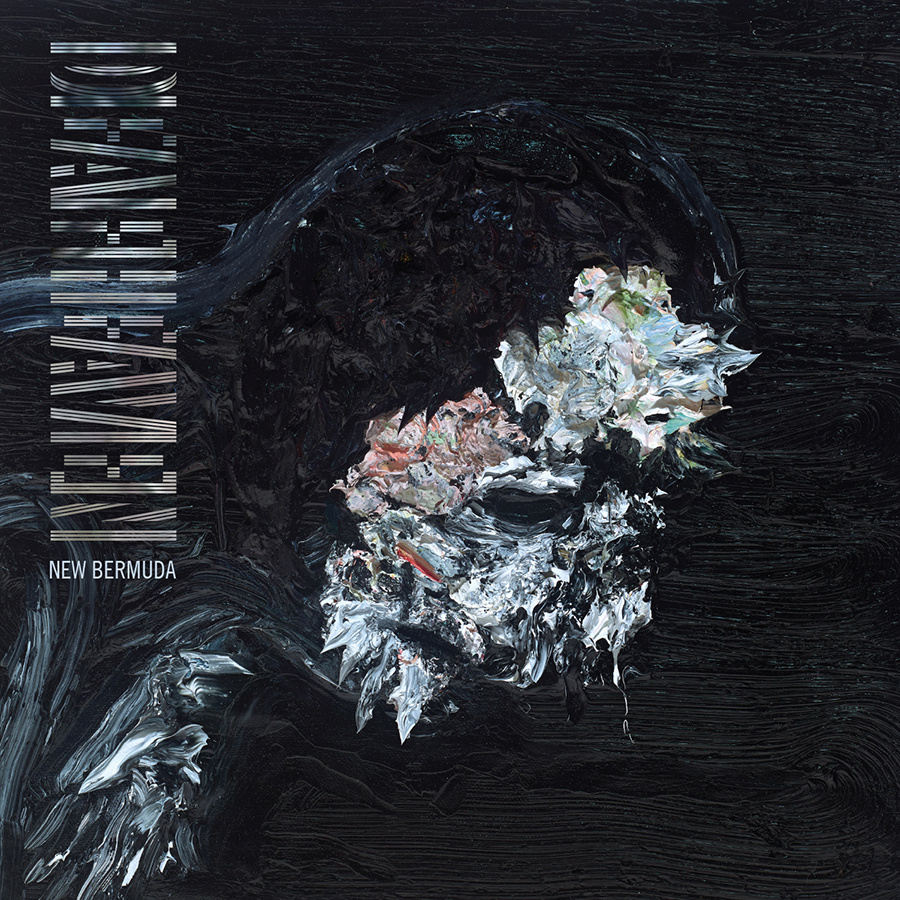
#24. Deafheaven – “New Bermuda” – With a title like “New Bermuda,” Deafheaven lead on that their follow-up to the perfect “Sunbather” would be another blackgaze album designed for indie kids. We were deceived. This is a black metal album, with 10+ minute songs and no breaks like “Sunbather” gave us. Deafheaven split the metal scene in half with their last album, and on this release, they’re pandering more to the purists than the newcomers.
#23. Meg Myers – “Sorry” – Myers falls somewhere in between pop and indie, as an unassuming singer armed with a guitar. The album is top-heavy, but early tracks like “Motel” and “Sorry” are some of the most desperate and emotionally affecting indie-pop songs you’ll hear all year.
#22. Father John Misty – “I Love You, Honeybear” – Father John Misty’s second album established the indie-folk singer as someone who isn’t one to shy away from jokes or uncomfortable topics. There’s so many songs about sex on this album (many of them graphic), that you’ll completely forget he was ever a part of Fleet Foxes. He’s vying for the role of class clown in the folk scene, although his album isn’t without serious moments too. “Bored in the USA” is an affecting ballad about America’s shortcomings.
#21. Jeff Rosenstock – “We Cool?” – Jeff Rosenstock, one-time singer of my all-time favorite band Bomb the Music Industry!, put out his first proper solo album and went on about 10 brief tours for it. Although the album has punk tracks like “Hey Allison!” and standout “You, In Weird Cities,” it also ends on some more rambling, other-worldly songs that wouldn’t have fit on any of the albums by Rosenstock’s previous bands. Is it maturity? Who knows.
#20. Vince Staples – “Summertime ’06” – Staples long-awaited debut album feels very laid-back, which is odd considering that it is overflowing with both rhymes and emotion. Staples crams his album full of guests, with everyone sticking lines in everywhere they can. The fact that its a double-album for no real reason contributes to the mood – Staples has a lot to say, but he gets it out quickly. Never have chill and frantic intertwined so well.
#19. Carly Rae Jepsen – “E*MO*TION” – Look, I love Adele just as much as the next person. But this year’s best pop album belonged to Carly Rae Jepsen. It’s a shame that no one in America bought it because we missed out on a real classic. The album, Jepsen’s second and first since “Call Me Maybe,” is just her having fun in the studio and trying on some different outfits. Sure, some work better than others, but it is fun throughout. “Run Away With Me” especially is one of the pop gems of this decade so far.
#18. Le1f – “Riot Boi” – After Macklemore stole the “Thrift Shop” beat off of Le1f’s “Wut,” it was expected that his first full-length would be angry. And it is, although Le1f keeps it contained. Really, it’s an avant-garde rap album. Le1f uses his standing as a queer rapper to make a rap album that stands out against any other album. It ranges between angry and content, but it’s always unexpected.
#17. Will Butler – “Policy” – If you’ve ever found a piece of an Arcade Fire song that’s unexpectedly fun or upbeat, it’s because of Butler. As the multi-instrumentalist in AF, and younger brother of lead singer Win, Butler doesn’t quite share in the band’s downtrodden emotions. He showed that on his debut solo album, a brief collection of fun indie-rock that’s brimming with comical and unexpected lyrics. There’s an innocence to his odes to “beating the shit out of some birds” and “pony macaroni.” It’s the most fun on an indie record this year.
#16. Motorhead – “Bad Magic” – No reason to fix what isn’t broken. On what proved to be Motorhead’s last album, the band marched on with yet another collection of hard-rock grooves. Songs like “Thunder & Lightning” rock harder than almost anything done by younger contemporaries. And as Lemmy’s last album, it’s a proper sendoff to an extraordinary career. Rock on, Lemmy.
#15. The Weeknd – “Beauty Behind the Madness” – After a few EP’s and a false-start LP in 2011, The Weeknd finally delivered the big-league album that was expected of him. Okay, it does bleed over with casual misogyny, certainly, and that can’t be overlooked. But he also made sure he didn’t center the album around a few singles. “Can’t Feel My Face” and “The Hills” both became #1 hits, but every other song on this album could’ve done just as well. “Earned It,” has, in fact, picked him up an Oscar nomination.
#14. FIDLAR – “Too” – Man, FIDLAR got less fun. But it’s okay, because people have to grow up. And after their self-titled debut (one of my all-time favorites), some traumatic things happened behind the scenes. Their sophomore album was written and recorded amidst tragedies, and it switches between “drugs are fun!” and “drugs are bad.” It isn’t coherent, but it leaves messages both ways. The album’s first four tracks show the band’s full width, and are four of the best songs in their catalog.
#13. Death Grips – “The Powers That B” – According to Spotify, Death Grips was my most-played band of 2015, which is, well, embarrassing. Death Grips is only exciting on first listen of under the age of 17. But their “””final””” album (they have another coming out soon) is still a great listen, especially in the latter half. The album was split into two sides – the disappointing “Ni***s on the Moon” and the enthralling “Jenny Death.” Both sides have great songs (and both sides have Bjork), but the second side has standouts like “Why a Bitch Gotta Lie” and the excellently-titled “I Break Mirrors With My Face in the United States.”
#12. Viet Cong – “Viet Cong” – One of the most hotly debated bands of the year released an undeniably great debut album. With excellent tracks like “Continental Shelf,” “March of Progress” and “Death,” it’s easy to see that the post-punk band mean trouble. The songs jump from catchy to grainy to discordant in no time, like post-punk quartered and sliced. Unfortunately, their damn name has cost them. Change your name, guys, please change your name.
#11. Torres – “Sprinter” – I didn’t know anything about Torres jumping into this album and, based on critical acclaim, expected an indie-folk singer. What I got was far darker. One of my favorite songs of the year, “Strange Hellos” literally starts the album with a song about dementia. The album follows with songs about missed connections and identity. The album also continuously gets lighter, from guitar crunch to acoustic ballads, like someone fading away.
#10. MisterWives – “Our Own House” – I had the opportunity to see this band play three years ago in a hole-in-the-wall NYC club opening for Pyyramids, and was so taken aback that I wrote their name down in my phone. Two years later, their song “Reflections” is racking up Spotify plays. Their debut album is a piece of gorgeous indie-folk, with varying influences. Mandy Lee’s voice drives the band, a sweet and unique voice that fits any mood. I usually don’t care for the lighter indie fare, but I make exception for MisterWives.
#9. Wilco – “Star Wars” – About a decade ago, Wilco was dragged through such a hell that they really don’t care anymore. What I mean is that they titled a new, free album “Star Wars,” knowing there was a movie coming out months later, with no proper permission to use the phrase. Wilco have always fought titles, and just as they were starting to settle into a “dad-rock” phase, they fought against it. This is their shortest album, and filled with their shortest songs. They feel comfortable in guitar blasts and quirky little tunes that feel like older Wilco. It’s nothing revolutionary, but when Wilco is great, they’re great.
#8. Heems – “Eat Pray Thug” – The first solo album from Heems sets up amazing parallels. He is a native New Yorker, a city he loves more than anything. But he is also Indian, and as he watched the towers fall from a classroom on 9/11, and after learning about the ethnicity of the terrorists, he knew NYC would never love him back. The album is equally political and funny, and full of parallels between humor and seriousness. Rappers tend to be rigid in their image; Heems aims to be the direct opposite.
#7. Nerina Pallot – “The Sound and the Fury” – British singer/songwriter Nerina Pallot has been continuously putting out stellar releases for years, and her new album is no different. Compiled largely from recent EP’s, the album switches courses on almost every track. “There Is a Drum” has a haunting Tibetan rhythm, “Rousseau” is a simple but effective guitar track and “The Road” mixes in some other cultural influences. It is a tremendous indie record from start to finish, and I’m going to do my damndest to get her known here in the States.
#6. Sleater-Kinney – “No Cities to Love” – Sleater-Kinney originally disbanded around a decade ago, partially because they felt their message was becoming outdated and partially because they didn’t want to tarnish their legacy of seven excellent albums. But they’re back, as politically energized as ever, and with another great release. It was no accident that the album was released early in January, with opener “Price Tag” heralding a miserable but sweaty ode to the economy. The girls haven’t missed a beat since 2005 and really, they’ve only become more important.
#5. Peach Kelli Pop – “Peach Kelli Pop III” – Peach Kelli Pop is the project of Allie Hanlon, who’s three albums under the moniker only stretch to 63 minutes. This album, 20 minutes total, sounds just her like her first two. It’s the direct mix between hardcore punk and mermaid imagery. Ostensibly, it’s power-pop, but really it’s ultra-fast punk songs set alongside bells and girly-girl vocals. There’s nothing else really like it. It’s only fitting that she covers the Sailor Moon theme song. Catchy at it’s catchiest.
#4. Courtney Barnett – “Sometimes I Sit and Think, And Sometimes I Just Sit” – Courtney Barnett had high expectations going into her debut album, and she didn’t disappoint. The Australian singer/songwriter blends an incomprehensible mix of early Dylan and Pavement. She muddles her way through existential and empty odes to suburban Australia, seemingly disconnected to the music around her. But a closer listen proves that’s not the case, as Barnett really sticks her poetical words in every spot she can, around the music. It is crunchy, existential, 90’s alt at it’s best.
#3. Alabama Shakes – “Sound and Color” – The best rock record of the year was also my favorite. The band’s 2012 debut was an excellent Southern rock record, but the follow-up saw the band exploring their own influences. The band blisters through punk and avant-garde, among other stops. But the Shakes are at their best when singer Brittany Howard is howling above everyone else. “Don’t Wanna Fight” is one of the best vocal rock songs of the decade, at the very least. This group can switch from fun punk tracks to sending chills down your spine at a moment’s notice.
#2. Kendrick Lamar – “To Pimp a Butterfly” – This is a subjective list, okay? It’s #2, sorry. Still, this is one of the best rap albums ever produced. Lamar starts many, many storylines here that he doesn’t entirely finish. He raps about Compton, about his childhood, about depression and addiction, about police brutality, about rap itself. And he twists and turns all of them as the album goes on. It features almost no guest stars, but does include Snoop Dogg, and invokes Tupac, telling of how Lamar knew this album would be perceived. There’s nothing to say about this album that hasn’t been said already – he’s the greatest of our time.
#1. Nicki Minaj – “The Pinkprint” – Technically this album came out in 2014, but it’s release came alongside my lists then. Honestly, this is one of the most diverse and open rap records I’ve ever heard. It’s got older, flashy Nicki in “Anaconda,” and it’s got newer, mature Nicki in “All Things Go.” It also hits every point in the spectrum in between. There isn’t a weak track, and not even a weak moment on this album. Ballads like “The Night is Still Young” sound just as good as bangers like “Trini Dem Girls.” I’ve listened to this album so, so many times this year and I urge you do the same. Nicki has been through heaven and hell, and puts them both on record. In five years Nicki has become the highest-grossing female rapper of all-time: here’s why.
Great comedy releases:
I usually do a separate piece for comedy records and specials, but frankly, there wasn’t many released in 2015. So here’s a rundown of the seven comedy releases I paid attention to in 2015:
#7. Sara Schaefer – “Chrysalis” – The former co-host of Nikki & Sara Live put out her first true stand-up album, and although it might rank last on my list, it’s still absolutely worth a listen. Her bit “Pumpin’ Pussy Like Gas” had me in stitches on John Oliver’s stand up show on Comedy Central a few years ago. The twenty-track album is full of brief musings on sex, love, tattoos, and teenagers.
#6. John Mulaney – “The Comeback Kid” – Mulaney’s previous special, “New In Town” is my all-time favorite comedy release, audio or video. And although he doesn’t quite live up to his peak, his new special hits all the right marks. His stories are longer here, but the standouts are his memories of working for a start-up with a really, really old, quirky boss, and a closing story about the time his mother tried to bed a young Bill Clinton.
#5. Brooks Wheelan – “This is Cool, Right?” – It takes a real stand-up to make an album that’s actually comprehensive, and that’s what Wheelan has done on his first try. Wheelan, as you might not remember, was a cast member on SNL for one season. The best bits on his album cover New York, his time living there and his time on the show. He ends by mentioning all the pitches of his the show rejected (a 9/11 one elicits massive groans from the audience even in Madison, Wisconsin). The whole set seems to be aimed around youth in a way, with the title emphasizing that Wheelan is still new at this, just give him time! Honestly though, this is a great stand-up album.
#4. Jen Kirkman – “I’m Gonna Die Alone (And I Feel Fine)” – The title says a lot. Kirkman’s last album, “Hail to the Freaks,” was a mix of introspective-cynicism and reflective-optimism, as she had just gotten married. Four years later, she’s divorced and more famous than before, and her cynicism hits far more deeply. Kirkman’s stories about other married couples, children and hooking up with a 20-year old drummer are among the best material she’s ever done.
#3. Eugene Mirman – “I’m Sorry (You’re Welcome)” – Perhaps the most innovative comedy album ever produced, this 9-disc, 4 1/2 hour odyssey is like nothing else ever made. The first disc is actual stand-up, with great riffs on religion, hipsters, and the internet. It also includes the stories of the time Mirman got a parking ticket in New Hampshire and took out a full-page newspaper ad to fight it, and the time he got mugged in Mexico by police, alongside Michael Stipe. The other discs? One is voice mail messages, one is sound effects, one is orgasms, one is basic Russian, one is the effects of hard drugs presented through music, one is a full-body massage in audio form, and one is just him crying for 45 minutes. The zenith is available on LP, CD, and in the form of a chair or a robe, both with the MP3s embedded and, for one fan, a puppy.
#2. Ron Funches – “The Funches Of Us” – As a cast-member on “Undateable” and the all-time winning-est guest on @midnight, Funches capitalized a huge 2015 with an excellent debut album. At the album’s best, Funches presents himself as an innocent, relatable comedian. His big laugh and giggly attitude make him seem like the snuggliest comedian in the land. But he also occasionally goes into dark territory, making jokes at the expense of his autistic teenaged son. No, we probably shouldn’t be laughing, but Funches is able to show us how much he cares through his jokes, even if they are dark. Rarely do we feel warm and comforted through stand-up, but Funches is able to do that.
#1. Kyle Kinane – “”I Liked His Old Stuff Better”” – Kyle Kinane’s sharpest special sees him slowly creeping into a middle-aged life. Kinane is uncomfortable, with the aches his body makes now, and reminisces on old parties. With all of the innovative comedy albums this year (and the youngsters releasing debuts), Kinane was able to blow them all out of the water with a sharp and cynical-but-not-mean take on the differences between youth and whatever it is that comes after. Also, all of the track titles are based off of the tracks on “Straight Outta Compton,” so, one extra point there.
Thanks for reading, maybe next year I’ll have my 2016 best of out by St. Patrick’s Day.