The Depeche Chronicles

Happy Halloween! Here’s an intro paragraph I wrote months ago:

Hello welcome to THE DEPECHE CHRONICLES, a title that doesn’t exactly roll off the tongue. This is entry number four in an ongoing series where I force myself to sit down and actually listen to the catalogue from an artist I claim to love, or one that I simply should know more about. You can click through for the first three entries: Zola Jesus | David Bowie | The Replacements. For this project, I am planning on listening to and writing about all 15 studio albums, including the ones I’m already familiar with. Why did I choose Depeche Mode? Easy – I’m seeing them on Halloween night (!) and, well, I just haven’t heard nine or so of these albums.

This was originally going to be a multi-part series but I neglected it and now I’m scrambling to get it up hours before Halloween. Shall we get started?


SPEAK & SPELL (1981)

I’ve always wondered if their debut would follow suit of “I Just Can’t Get Enough” and, well, it does! This first album seems like a massive red herring compared to the band that would follow. It’s not exactly fair to call this album “jolly” when the second track is called “I Sometimes Wish I Was Dead” but the music is far bouncier and new wave-y than what would follow. I had forgotten, quite frankly, that Vince Clarke wrote these tunes before he spun off into Erasure and let Dave Gahan get weird with it.

I mostly found this album…bewildering. There’s a lot of strange choices, like taking the dense, catchy and incredible opener “New Life” and following it up with the short, midtempo “I Sometimes Wish I Was Dead” that halts the album in its tracks immediately. Also, for a band that has spent decades being deathly serious, there’s an instrumental filler tracker called “Big Muff.” It has the exact same effect as Alice in Chains having an early track called “Fat Girls” (which is real, btw).

The bookends of this album are great – the hits “New Life” and “I Just Can’t Get Enough.” What comes in between is a handful of songs that sound pretty similar to those two hits. It’s not bad by any means, but it is repetitive. Side B starter “Photographic” is bolstered by a strong beat and some very subtle chaos. The back half of Side A – “Boys Say Go!,” “Nodisco,” and “What’s Your Name?” are all very pleasant songs as well, though they were not necessarily ones that demanded my attention.

This is a very new wave album, almost to the point of parody. I’m mostly surprised that something so fully synth-poppy existed this early in the 80’s. I wrote in my Replacements piece about bands struggling to adapt to changes, and with an album like this in ’81, it’s easy to see why so many classic rock bands couldn’t adjust. This is a moderately fun debut, but there’s a hard reset coming and I think it’s for the better – this sound is barely sustainable across one album. I’m looking forward to seeing how the band really solidifies themselves, because I know absolutely nothing about the next couple releases.

Grade: 6.5/10

Favorite non-hit track: “Photographic”

A BROKEN FRAME (1982)

Sheesh. This one’s pretty rough. The group – now a trio with their chief songwriter departing – have dug themselves a wide trench and jumped in. There’s very little to say about this one, it’s just boring.

The songwriting isn’t that bad. There are enough ideas happening here to make a lot of the tracks unique, although many of them are pretty barebones. Redundancy is actually something that plagues later DM albums so it’s nice to see it isn’t a case here. Plus, having Gahan and Gore share lead vocals on “Shouldn’t Have Done That” gives that song a special feeling, a late album treat. “Nothing To Fear” is a neat instrumental, not riveting or anything but also unique against the album’s other tracks. Otherwise, the good tracks here are just some very Depeche-y songs, like “Leave in Silence,” “See You” and
“The Sun & The Rainfall.”

Those songs are decent, but there’s no real standouts here. The songwriting is a bit minimal, often moving on just one idea until it runs out of gas. More critically, the production is hollow. There’s a lot of dead air, with Gore sounding distant and the synths not sounding full enough. It feels like a trial run – in a way, it was – for a band that had already had a major hit. The production really kills whatever beauty this album could’ve had, and reduces it into just a passable, forgettable synth album. Skip it.

Grade: 4/10

Fav non-hit track: “Shouldn’t Have Done That”
CONSTRUCTION TIME AGAIN (1983)

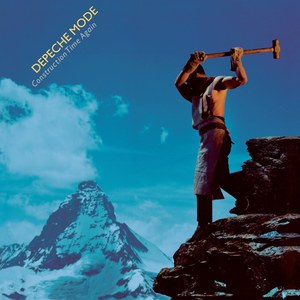
When I jumped into this project, I truly didn’t know what to expect from the 80’s hit valley albums, but I expected a number of releases like Frame. Luckily, this one overdelivered! It’s far from a great album, but it’s also a tall step up from the utter tediousness of their sophomore record.

There’s a lot of fun ideas on this album, and the best tracks are the ones that feel wholly unique. Opener “Love, In Itself” is a dark and moody to kick the album off, an omen of better Depeche albums down the line. It’s a tortured song of needing more than love, complete with minor key synths that hit hard. The follow-up, “More Than A Party,” is bouncier but stands as the highest energy Depeche song to date (in fairness, not much competition). It’s a great song that shows a side of the band they often ignore. “The Landscape is Changing” shows some inspiration taken from industrial music, which was operating on the sidelines of the same synth-pop movement. Again, it’s something the band clearly can do, but rarely does. So that’s a nice, unexpected late-album banger.

The middle of the album does sag, though. “Everything Counts” and “Two Minute Warning” are simply songs that exist, and I could not find an opinion to elicit at all. Same goes for “Told You So” and “And Then” at the album’s end. “Pipeline” worked on paper, as the band took a very Asian-influenced rhythm and fed it through synths, but the song doesn’t exist much beyond it and it stretches on for far too long. There’s still considerable downtime on this album.

I won’t say this is a great album, it’s fine, just one with some great songs. I’m glad I listened to it. This is the true birth of the band that would go on to sustained greatness – the first two albums are scratched experiments. I’m excited on what the next few albums hold, while apprehensive. We’re in a serious hit drought, still albums away from Violator. But! Onwards I will go.

Grade: 6/10

Fav non-hit track: “More Than A Party”

SOME GREAT REWARD (1984)

Well, hm. I’ve gotta respect the work ethic here – they haven’t missed a year yet. But after the more adventurous and diverse Construction, this feels like a bit of a backpedal. Frustrating, and disappointing. This is another Depeche album where there’s simply not much going on, it feels like mostly downtime. That’s no good!

Okay so I’m not gonna go back and edit my mistakes, I’ll own up to it – I thought we were in a low period for hits, but I didn’t think about “People Are People.” At track 3, it’s the first interesting song here. “Something to Do” has a tantric rhythm, but it’s got nothing lyrics, and on the whole it’s a bit dull. “Lie To Me” left no impression on me whatsoever! The rest of the first side of the album followed in this manner – songs I simply didn’t care about one way or another. “It Doesn’t Matter” didn’t matter, and “Stories of Old” felt a bit empty despite some fun music.

Side B fared better! “Somebody” was a nice, and surprising, piano ballad. For a band that has always relied on synths, the switch to real piano was a shock. That’s followed by “Master & Servant,” another industrial-tinged flare, with far more interesting lyrics than any song prior. These two back-to-back really helped to save the album from being dismal. “Blasphemous Rumors” closes things out, a minor classic that was better than I remembered.

There are some standout tracks, but it feels like a regression. The music is back to sounding repetitive and midtempo, and the lyrics are pretty forgettable across the board. It’s a pleasant album, and the band is starting to gel more on the “who does what” front, but it just isn’t that interesting. A shame. Oh well.

Grade: 4.5/10

Fav non-hit track: “Master & Servant”
BLACK CELEBRATION (1986)

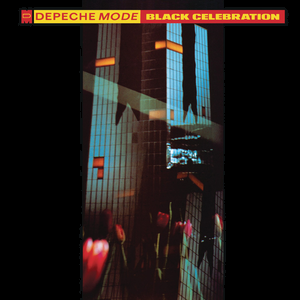
Finally, we’re getting into some real meat & bones Depeche Mode. This is the first album so far where it’s really felt a full album of inspired stuff that’s distinctly Depeche. The album has its faults – mostly strange ones – but it’s a vast improvement over Reward, too.

Let’s talk about the opening track. The title track really caught me off-guard! So far, the albums have had somewhat weak openers that lead into a better track, but this one starts off hot. In fact, “Black Celebration” is the best song on the album. It’s got a very complicated, puzzling central rhythm and good vocals that produce a song that sounds vaguely threatening. It taps into the torturous well that many of the best Depeche songs pull from, one of the first great ones so far. The two following songs – “Fly on the Windscreen” and “A Question of Lust” follow suit, but to diminishing returns. Still, it’s the template of better Depeche to come, and it feels like the first time it’s been solidified.

“A Question of Time” starts off the back half with a real moody and intriguing vibe, a great rebound after the first half trails off. Late-album track “World Full of Nothing” is also very strong, a soft and absent piano ballad that sounds pretty bleak. “But Not Tonight,” which is just a bonus song on extended editions, finishes off the album with a bouncy, catchy rhythm, the kind that is largely missing from the back half.

There’s still general downtime on this album. Both halves have songs that simply didn’t register an impression on me, and it was really disappointing how quickly the first side tapered off after a great start. Also, there were bizarre issues in the mixing; some songs were just too quiet? Everything in “New Dress” sounded hushed in a way that was unintentional, like it was a lo-fi production. Everything got lost in the mix. It was odd. This happened on a few tracks, but it was the most noticeable on “Dress.”

Still! I really enjoyed this album. Even the lesser tracks offered something fun, and the band is really, truly, taking shape. We’re ramping up to Violator, and it’s making me hopeful for the albums that come in between. This is a solid record with some real standout tracks, it’ll be worth a revisit!

Grade: 7/10

Fav non-hit track: “Black Celebration”

MUSIC FOR THE MASSES (1987)

Celebration felt like a template for the Depeche Mode albums to come, and this is a mostly fun minimalistic supplemental piece. This doesn’t feel quite as “Depeche” as the albums bookending it, but it still sees the band maturing and solidifying their base sound. For me, this one didn’t hit quite as hard as the ravenously positive retro reviews, but it’s still very solid.

The album opens with hit “Never Let Me Down Again,” which is a great song and not at all a good album opener. It sets the tone of the album, but doesn’t have either enough oomph or nuance to feel like a proper intro. Still, it’s an excellent song! The follow-up, “The Things You Said,” might be more indicative of the album – pleasant, minimalistic and vaguely ambient. It’s lighter than previous Depeche songs, which mostly aren’t super loud or heavy to start with. Most of Masses plays with this minimalistic sound. It’s nice that they can pull it off, given that that isn’t a trait common among synth bands (and knowing the album that’s looming). “Sacred” sees this style coupled with the band’s standard religious lyrics in a winning effort. On the back half, “To Have and To Hold” works minimalistically, as well.

The album’s three biggest divergences all work incredibly well, too – the very fun and bouncy “Behind the Wheel,” the piano ballad “Nothing” and the unique instrumental “Pimpf.” These tracks manage to expand the band’s sound on an album that otherwise defines it.

As always, the album isn’t perfect. There are a few down spots. “I Want You Now” has a strong vocal performance and a layered melody, but it doesn’t sustain the interest. And “Little 15” is straight up dull. However, these were the only two songs that really stuck out to me negatively, which is the best batting average of any album yet.

Another high point is the production – it’s been shaky to outright bad on other albums, but everything sounds great here. The mixing is strong on these songs, especially the more layered ones. But even on the minimalistic tunes, there’s care put into the softness and richness of each contributor. The band is really settling into their midtempo groove – basically every song is midtempo – as they’re really starting to congeal more than ever. It’s easy to see why this album is beloved by some, it’s got a number of individual great songs on it. The best tracks either sound exactly like Depeche, or very different. This was the moment the band was really taken seriously – pretty comical, since Violator is just around the corner.

Grade: 7.5/10

Fav non-hit track: “Behind the Wheel”

VIOLATOR (1990)

I mean, what is there to say about Violator that hasn’t already been said by people more qualified than me? It’s an all-timer album! It also is definitely not a first-time listen for me, but it’s been so long that it felt like one.

This is the big one for a reason. Their songwriting has improved, and their concept of what they can do with an album has greatly improved. I mentioned before that the band struggled with opening tracks and sequencing – well those issues are erased here. The album is sequenced perfectly, and explores what to do with downtime on an album. “World In My Eyes” is a great opener, a standard but solid Depeche song, and one that lulls the listener into false expectations. “Sweetest Perfection” follows the same trend, though both songs make it obvious that this album is better produced than any previous Depeche effort. But when those two songs give way to “Personal Jesus,” something hits. “Jesus” is of course a massive hit on its own, but it sounds pummeling on the album. The band hadn’t put a song like that out in years, far funkier and confident than listeners at the time were used to.

When talking about sequencing, we’ve gotta look at the transition between “Waiting For The Night” and “Enjoy the Silence.” The former is a minimalistic tune, hypnotic but barely present, and one that ends on the same rhythm that “Silence” starts on. It allows the latter tune to hit so hard refreshingly hard that it sounds energizing, even though it’s a song I’ve heard a thousand times. Likewise, the band explores free space at the end of “Silence,” cut out from the radio version. There are a few hidden interludes on this album that really work well in separating songs and ideas.

Everything on this album just works well. There’s still space to say I loved the closing track, “Clean,” which reminded me greatly of Pink Floyd’s “One Of These Days.” Also, I listened to the extended version, so I picked up some neat instrumental tracks after the record. “Kaleid” was the most interesting one of these, something that sounds more akin to today’s electronic than 80’s Depeche Mode. All in all, this one rocks, but did you not already know that?

Grade: 9/10

Fav non-hit track: “Clean”

SONGS OF FAITH & DEVOTION (1993)

Alright folks, if you’re reading all of these posts in order than it all comes together at once, but it’s actually been about a month since I spun Violator, so apologies if this gets inconsistent or loose or anything. It’s been a busy month – we moved, then my gf had surgery, and work has been crazy. And, for whatever reason, I just haven’t been in a Depeche Mood. But we’re back, where I had left off right in the middle of their peak.

I’m not sure this album hit for me the way it seemed to hit most upon its release. I’ve always known this one to be one of their bigger, better albums, and for good reason. It expands on their creative peak of Violator, and even if the actual songwriting isn’t quite as exemplary, it really solidifies the sound that the band has become known for since that album. This is a gloomy, depressing album, and one highlighted by religious imagery. There have been hints (or full-blown excursions) into that territory before, but never as deep or consistent as here. I mean, look at the album title. They didn’t make it subtle.

Okay, first off, I loved the opening track. “I Feel You” has a respectably high number of spins on Spotify, especially as one that I don’t think I was already familiar with. It’s a departure – somewhat – from the electronics-based sound the band is known for. It’s more of a rock song, with live guitar and drums and a complex time signature. It feels like the opposite of Radiohead dropping the synth-based Kid A, a surprise given how immensely popular the previous album was. It was also the lead single, a changing of the guards song. To be quite honest, the rest of the top side of this album didn’t really grab me! You can maybe chalk that up to a pre-coffee listen at work, but the next few songs felt a bit like “more of the same,” to me.

Side B mostly all worked for me, thankfully. I really dug the later single “In Your Room,” a patient and gloomy song that really grabs that dark-synth, goth vibe that they excel at. Gary Numan apparently credits this album with helping him get heavier, and it’s easy to see why in this song. (Side note: Numan has put out some incredible albums in the last decade). “Get Right With Me” is a livelier song, at least in comparison, thanks to a bouncy vocal rhythm. It’s a very textured song; so far, Depeche has done much better with layered songs rather than barebones ones. “One Caress” is a string section-backed ballad, one that comes as a surprise after the rock/electronic songs prior, but one that fits right in with the tone. It’s a great piece of gloomy art, and couples nicely with “I Feel You” in showing how the band can be comfortable in uncomfortable territory. The closer “Higher Love” is another solid ballad, with a great vocal performance. It’s not the finest song on the record, but one that acts as a great closer.

All in all, I did really enjoy this album. I owe it – especially the first half – a pretty immediate re-listen. I think it could become a personal favorite. Consider a grade on this one to be temporary, as it could easily be elevated. The band is on a hot streak, and this album is extremely important in formulating the sound and aura that all of the future albums would strive for. Although the biggest album is behind us, this is the one that FEELS the most like Depeche Mode.

Grade: 7.5/10

Fav non-hit track: going back and forth here because “I Feel You” was very much a hit, but one that I didn’t already know, and maybe my favorite first-time hear so far. I’ll toss in “One Caress” too, not a single at all.
ULTRA (1997)

So, the point of these projects is that I listen to a band’s catalog in a condensed amount of time, so I can track how a band progresses, and to get better at listening to full catalogs. But I needed a break! So I’m actually writing this one months after Faith & Devotion. It was an unfortunate place to take a break, as this album was such a near-disaster that it really comes in at a left angle on the listener.

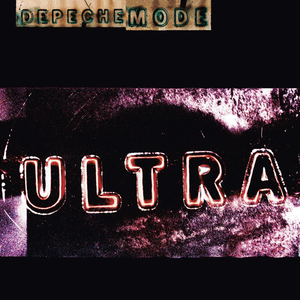
Depeche Mode is in turmoil. Alan Wilder is gone and Dave Gahan has both overdosed and attempted suicide since the last album. It looks like a lot of people assumed the band was finished – and justifiably so. But instead, we get this dense and puzzling album. Knowing the backstory, the whole album feels darkly mystical and downright uncomfortable, as if Gahan is going to disappear halfway through. The sense of dread that fills it is, almost unfortunately, something that could’ve helped their rough early albums. The blackened cover and the maximalism-implying title give this one a real sense of doom.

As for the actual album, it’s often great but somewhat frustrating. The opening track – with the apropos title “Barrel Of A Gun” – is a dark and funky tune that sounds gleefully miserable. The specific tone of the song is difficult to pinpoint, which is something that truly works well. I mean, what’s more goth than this? The immediate follow-up is a left turn, “The Love Thieves,” a much more toned-down and moodier piece. It’s nearly as effective as the opener.  The album continues on this inconsistent trend throughout.

Some tracks stand out more than others. “It’s No Good” is another funky jam and an early highlight. “Useless” is a real solid tune, borderline industrial and richly textured with multiple overlapping rhythms. Late-album track “Freestate” is maybe the most ‘classic’ Depeche song on the album, midtempo and brooding but still catchy, and the song’s placement towards the end after a lot of experimentation is a nice touch.

The album’s biggest drawback is length. The thing is an hour long, and it includes a few instrumental ditties that just don’t serve much of a purpose. It is, at times, a slog. Some songs like “Home” and “The Bottom Line” just don’t hit very hard, and make it apparent that the album could’ve used a touch more editing. Some tracks, namely “Sister of Night” and “Insight,” are mostly great – but overstay their welcome. Truthfully, the album could’ve been trimmed.

With some cutting, this could’ve been a classic in the highest regard. It’s still a downright great Depeche album, their most haunting album to date (and probably overall). It isn’t really one that demands a number of relistens, due to its nature, but it will be a great one to come back to once and a while. And speaking of coming back, I’m excited to come back to this project, as it’s suddenly less than a week before I’m seeing Depeche Mode live!

Grade: 7.5/10

Fav non-hit track: “Useless,” which was released as a single but clearly didn’t make waves – it’s one of the lesser-played tracks, at least on Spotify.
EXCITER (2001)

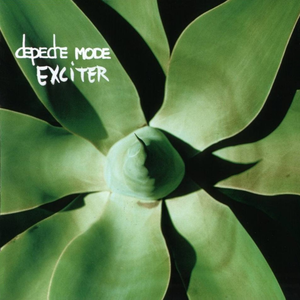
I often find that when I have days when I am feeling particularly bad – be it sickness, anger, or poor mental health – I often follow it up with a day where I feel great. This album feels like the second day. After the sludge of darkness of Ultra, we get a release that’s much more atmospheric and euphoric. I’ve talked a lot in these posts about the importance of cover art, and just compare the two albums. Ultra has a cover of all black and gritty font. The Exciter cover? A lovely agave leaf. It’s pleasant to look at. And, it’s pleasant to listen to.

Full disclosure, I listened to this a week or so ago, possibly longer, so it really isn’t as fresh in my memory as I would like. I would love to relisten now – but I don’t have much time! It’s still in my brain, anyways. Onwards: I’m surprised by many of the middling grades assigned to this album. Scores for this one are pretty all over the place, and while I felt it wasn’t up to the standards of the last couple releases, it’s still a very strong and unique album.

As stated, this one is a lot more ambient than anything before it. I can see that being a letdown for folks expecting more dense muddiness, but it complements Ultra well. The album’s opener, “Dream On,” is a cheery pop tune with, shockingly, acoustic guitar. It’s the first in a series of songs that feature instruments, influences and textures not normal for Depeche Mode. “The Sweetest Condition” is a nice, breezy tune that mixes an urgent vocal performance with patient music. “The Dead of Night” has more of a droning rhythm, heavier in nature but still funky. “Freelove,” is a soulful and mature track that is very heavy on the blustery mood. The last one I really enjoyed, “I Feel Love,” is another optimistic one, a house music influence on a winding pop tune. It’s a lot of fun, and it’s nice to hear them having fun.

However, this one suffers the same major problem that Ultra does; there’s unnecessary downtime. It is not as egregious here, because the ambient nature leads to less jarring transitions, but it still feels like there are moments where you’re waiting for a bigger song to come along. This has been kind of a running issue through their catalog, one that hasn’t been amended by increased success. The songs I noted as the great ones are quite literally tracks 1, 3, 5, 7 and 9. The ones in between are less interludes and more puffier songs that don’t really work all that well. When the album hits, it’s great, but it couldn’t be spottier by design. Still, I think this is one of the more unique entries, and I think it’s one I may actually find myself coming back to often.

Grade: 7/10

Fav non-hit track: “I Feel Loved”
PLAYING THE ANGEL (2005)

Four years later. A tumultuous 90’s saw the band grab their biggest hits and best albums, while spiraling out of control behind the scenes. Ultra was the low, Exciter is the rebound. Now, in 2005, we’re settling into normalcy. But that sounds like an insult – this album is anything but complacent! I was expecting something steadier and less experimental, and this album is just that, but it’s an absolute blast. Quite frankly, I loved it.

Let’s talk about “Precious.” I was 15 when it came out, and I was only listening to guitar rock. Just starting to come into my own, I was chowing down the indie on VH1 at the time – Modest Mouse, Franz Ferdinand, etc. I was just starting to get into punk and metal, too. I was hearing this song a lot, and I felt couldn’t land anywhere on it. I felt like it was something I wasn’t supposed to like, because it wasn’t what I already liked. Long story short, the song was instrumental (uh, no pun intended), in me learning I did not need to pigeonhole myself into liking any specific kind of music. To this day, I see the song for exactly what it is: an absolutely beautiful and heartbreaking piece of music.

This album starts off hot. “A Pain That I’m Used To” is a blaring opener, and just sounds cool. It’s a sonic shift after the ambient mix of Exciter. The second track, “John the Revelator” is centered around Dave Gahan’s vocals, one of his best vocal performances yet (if not the best). And, to complement that, “The Sinner In Me” features some very fun synth work that stands at the crossroad of funk and industrial, with little in the way of vocals. Both songs prove that Depeche Mode has overcome the murk and mire of the 90’s. Elsewhere, “Nothing’s Impossible” has a lot of groovy stuff going on despite a moderate tempo, and “Lilian” has a nice hook, although it is very much a late-album track in spirit.

Perhaps the biggest joy of the album is that it feels like they put the same amount of genuine effort into crafting every song, as opposed to bolstering the album with lesser tracks, like the previous two releases. This may be due to Gahan taking over some lyric writing for the first time. Still, there are some lesser tracks; “I Want It All” is an engaging ballad but it stretches on too long, and “Macro” just misses in general. “Damaged People” has some fantastic lyrics, but the final product is only a fair one.

My I’ve gone long. I really really enjoyed this one, suffice it to say it may be my favorite so far, besides Violator, of course. Genuine surprise – I thought I was settling into a run of C+ releases. What a delight.

Grade: 8/10

Fav non-hit track: This is tricky, as “Precious” was the only song I knew going in. But if I am to stick to non-singles, then “The Sinner In Me.”
SOUNDS OF THE UNIVERSE (2009)

Okay, see, this is more of what I was expecting from this era. This one won’t go long because my immediate thoughts are that I just don’t have much to say here. Universe is full of mostly midtempo meanderings, something that feels tame and stopgap. Not bad by any means, but very template. We haven’t gotten an album like this since the 80’s.

Let’s dig in. One thing I’ve noticed so far, with both individual songs and full albums, is that the band likes to run overlong. The opening track, “In Chains” starts with silence and then a curious softness, like a grand awakening. It’s a cool and subtle opening, until the song just falls into midtempo complacency. By the end, it gets kinda dull. At nearly seven minutes, it could’ve been saved. Follow-up “Hole to Feed” is a bouncier song, but it doesn’t amount to much. Again, we see an album that sacrifices the opening tracks to build to a different one. “Wrong” is a classic, I’ve loved it since the day the album dropped. But hearing that funky, heavy rhythm and the urgent vocals really highlights how pointless the first two songs felt.

There’s some fun stuff right after. “Fragile Tension” is a very fun ditty that sounds like a much younger band. And “Little Soul” is a great, spacey song that sounds like something Depeche would’ve recorded twenty years earlier. “Peace,” similarly, is a very spacey song. It drags in tempo, but the soundscape more than makes up for it. “Miles Away / Truth Is” has an exceptional vocal performance, probably the best one on the record.

That’s about it though. The album’s other tracks are mostly just mildly interesting songs that exist. None of them are bad, but few of them are great. It’s sad to see such a sharp downturn in quality, especially after such a long run. But I also expected it, in a way. We’re approaching a run of albums I’ve heard before and I’m not incredibly pumped to revisit them. But I will!

Grade: 6/10

Fav non-hit track: “Fragile Tension”
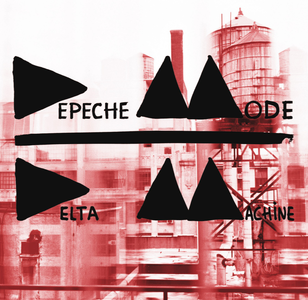
DELTA MACHINE (2013)

Quite frankly, I’m not sure if this is a first time listen or not. By 2013, I was already a long ways into “liking the Depeche Mode hits” and, a few years later, I picked up a discarded CD version of this release on the side of the road. But I don’t think I ever actually listened to it. Either way, this to me exemplifies what I think of when I think Depeche Mode – a lot of midtempo songs full of synth and almost uncomfortable amounts of sex and religion. I came into this one with low expectations, thanks to a perceived notion that I may have listened to it and disliked it. Hey I listen to a lot of music, I can’t be expected to remember what I have and have not heard. Either way, it surpassed the expectations, but not by much.

This one has a great opener! “Welcome to My World” feels similar to the opening track of Universe, in that it recognizes the importance of an auspicious beginning. It’s a confident song, and features a lot of morphing and tempo changes, something mostly foreign to Depeche Mode. The follow-up, “Angel,” is just a good Depeche Mode ditty. Nothing more – what you picture with the phrase “good Depeche Mode song.” There were great tracks peppered through this one. “My Little Universe” is a great and more experimental one, a song that feels both bouncy and minimalist. The even better “Soft Touch / Raw Nerve” has the same energy, with a beat that somehow blends minimalism and industrial. “Soothe My Soul” is the album’s best track, very fun energy with powerful lyrics and harmonization (!) between Gahan and Gore. The song feels akin to a religious awakening, fitting that it comes at the end of an album chock full of religious analogies.

Too much, maybe. The album’s lyrics are not really up to par, honestly. They feel vague, and when they do get religious, it’s too persistent. “Angel” transitions right into “Heaven.” And there’s just too many midtempo ballads. “Secret to the End,” “Broken” and “Alone” are all interchangeable snoozers. “Slow” is a great ballad, but it comes at the album’s midpoint, when we’ve already gotten a few similar-but-worse tracks that bog it down. The album really needs two or so more songs with energy. It just gets kind of drab, which is exactly what I feared this album would be.

In the end, it’s an improvement over the general boredom of Universe. The songs here feel fuller, except for two brilliantly minimalist songs. There’s too much downtime, but the highs of this album are excellent – well above the ones of the previous album. It was a mixed experience. I won’t be coming back to this one anytime soon; however I have grabbed a couple songs off of it, that are just DM all-timers. Ah well. The finish line is near.

Grade: 6.5/10

Fav non-hit track: I don’t think I knew any of these songs coming in, and the best is “Soothe” but for the sake of not picking a single, it’s “Soft Touch / Raw Nerve.”
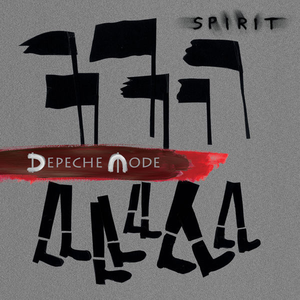
SPIRIT (2017)

By this point, I know I’ve listened to this album. I was already into my “listen to all new music” mode that I’m still very much in, so I spun this one. But I don’t remember it much. Besides, with the album’s background, how could I not? Depeche Mode have always avoided politics, but for this album, they dive head in. The state of politics both American and British was beyond dire, and the band specifically felt the pressure when that fascist should-be-murdered-in-the-street bitchboy Dick Spencer called DM the band of the alt-right. The band was pretty hurt by this, releasing two statements condemning Spencer and the alt-right and releasing a very leftist inspired video for “Where’s the Revolution?” Boy I bet they enjoyed watching him get punched.

Anyways, let’s dig into it. The opener here is great, “Going Backwards,” a depressing tune with great vocals and a nice beat. It sets up the album nicely, as Depeche are channeling politics into their music without sacrificing any of the misery. “The Worst Crime” is pretty similar, a downtrodden song that isn’t really a ballad. It also has – shockingly – a guitar line as the primary focus. This is an entirely different side of DM. The follow-up, “Scum,” is the closest thing to a straight rock song that the Mode has ever done. At points on this album, they really feel a new energy, a new anger. From a politics perspective, “Poorman” is the most direct song on the album, with blatant anti-corporate and pro-worker lyrics. It’s very cool to see a band at this stage in their career chime in with this kind of stuff. Genuinely, it’s refreshing. And “Where’s the Revolution,” the single, is of course a classic DM song. We’re still waiting.

This is not the most consistent album, unfortunately. When the band strays away from politics, it gets weaker. “You Move” is a fine Depeche Mode song, but it follows the two political, rock-adjacent songs. It is classic synths-and-sexy-lyrics, which feels like a backpedal. Other tracks like “Cover Me” and “So Much Love” are just time-fillers. “Poison Heart” is a very full song sonically and very interesting from a music perspective, but suffers from lackluster lyrics. “No More Time” is a fun one, but one that didn’t leave much of an impression on me.

Overall, this was a very interesting experiment for the band. Some people have criticized their political lyrics for being too blunt, but why? When you’re dealing with politics, no need to be poetic. No one has levied that criticism at Pennywise before. They were already expanding their horizon! The album is ultimately a bit unfocused sometimes, however, and it gets bogged down in inconsistencies. Still, I enjoyed it, especially at this later stage in their career. One day left before the show, one album left to spin.

Grade: 7/10

Fav non-hit track: “The Worst Crime”
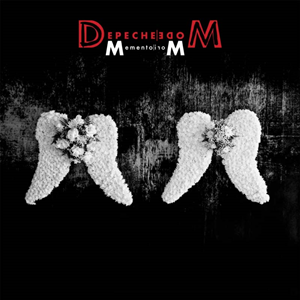
MEMENTO MORI (2023)

And see, this is why I do these experiments. I spun this one twice when it first came out, and both times I reluctantly dismissed it as repetitive midtempo noodling. Now I have a fresher, deepened mind on all things Depeche, and it’s allowed me to see this album for what it really is. And it’s a gorgeous one.

Death surrounds this album. It was already surrounding this album during the songwriting phase, as many songs focus on mortality, but that became tenfold truer when Andy Fletcher passed away in 2022. Allegedly, he had neither contributed to nor heard any of the early versions of the songs when he passed, so this was recorded truly as a duo. The opener, “My Cosmos Is Mine,” is easily the most haunting song the band has ever done. It sounds like it was recorded in the depths of Hell, like something we weren’t meant to hear. The follow-up, “Wagging Tongue,” is equally grim, with the repeated line about watching another angel die. “Don’t Say You Love Me” is a pure goth ballad, one that sounds a bit old school for them. “Before We Drown” is a late-album song that’s also haunting with some cool synth stuff, albeit not as good as previous tracks. And the closer – “Speak To Me” – is a true Depeche song for the ages. It is an incredibly moving song, a powerful death ballad, and one that makes me wonder how I missed it the first two times. Even for Depeche, this is a doom and gloom release.

But it isn’t all that way! Lead single “Ghosts Again” may not be an uplifting track, but it does sound like one, with a very bouncy beat that sounds like 80’s Depeche. “People Are Good” is also a simple but unexpectedly optimistic song, one that’s necessary so the album doesn’t get too downtrodden. On a much softer note, “My Favorite Stranger” is a nice and bouncy one, though it is a bit on the uninspired side.

There are some weak spots on the album. “Soul With Me,” Martin Gore’s only lead vocal track on the album, was just too corny for me. “Always You” is one that completely lost me, a dull ballad stashed away towards the bottom. And while I enjoyed “Caroline’s Monkey,” I couldn’t put my finger down on what exactly the band was going for.

The real power of this album lies in the vocals. Song after song, we get the best harmonies and the best lead vocal performances from Dave Gahan that we’ve gotten in years. Practically every track has impeccable vocals, it truly is astonishing. “Never Let Me Go” might be the best vocal performance of the bunch, but it’s truly too hard to say. All in all, on a third listen, I loved this one. Now I get it.

Grade: 8/10

Fav track: Since this is one is new the slate is clean for song choice! I think it’s “My Cosmos Is Mine.”


And that’s a wrap! There’s a way to write 5,000+ words on Depeche Mode. I really enjoyed this project, it’s been a blast to dig into these albums after years of saying I should. I found a lot of great cuts and some excellent albums to revisit. And I feel prepped to see them tomorrow. Gonna cry when they play “Precious.” If you like this, check out some other entries! I’m going to try and do one more this year, haven’t picked the artist yet though.

Stay tuned, homeboys.

The Replacements Chronicles

It’s been a long few months since I’ve posted here – I really intended to use this blog more this year, but real life stuff keeps getting in the way! But I’m here with another edition of my new Chronicles series, where I burn through a band or artist’s studio catalog, specifically an artist that I should have a deeper knowledge on. You can check out my previous posts, Zola Jesus, and David Bowie. Truthfully, I finished this one months ago and just haven’t gotten around to uploading it. Whoops! My bad. But with the new release of the remixed Let It Be, it felt like the perfect time to upload. I haven’t included that here, but I’m excited to find some time to dive into it.

Unlike Zola & Bowie, I really do not know much of anything about this group. I remember checking them out many years ago and being turned off for some reason. Now I am older, wiser, and ready to explore something I’ve been putting off. I’ll be listening to all seven of their studio albums and chronicling my thoughts along the way. This will be a one-time entry, so all seven albums are below. Join me!


SORRY MA, FORGOT TO TAKE OUT THE TRASH (1981)

Okay so off the bat, I’m noticing the track lengths here. I think the reason I was initially turned off from the group was that they were heralded to me as a “punk” band so I was expecting the punk I was into at the time – Rancid, the Damned, the Stooges. It wasn’t that.

Well, this is actually along those lines and clearly where I should’ve started. This album does an expert job at melding pop and punk in the exact definition of power-pop. It’s got the punk energy and the punk snarl, but without sacrificing melody and licks. My immediate comparison was the Buzzcocks, though they leaned a bit more heavily into the “-pop” side of it. This album is full of bruisers, and a lot of them are excellent. The 1-2-3 opening punch of “Takin’ A Ride,” “Careless” and “Customer” really sets the tone for the band, with the latter song the best of the three. You’ve also got the two odes – “Somethin to Du,” the obvious ode to fellow punk group Husker Du, and “Johnny’s Gonna Die,” a more somber and serious song about the heroin-riddled Johnny Thunders. The best track is the comical “I Hate Music,” which satirizes the inherent paradox of the punk scene from the inside.

There is probably a little too much going on in this debut, even for one that isn’t particularly long. Some songs simply aren’t as melodic and memorable as the others, and the great ones are scattered throughout so it’s a real cherry-pick situation. The album feels a little maximalist, which is ironic given the short song lengths and barebones music. But, some songs could’ve definitely been cut.

It’s a fantastic album. It feels so definitive of the 80’s punk scene and the pop-driven bands who were rebelling against the hardcore factions. Power-pop like this simply doesn’t exist anymore, so all of these records feel like relics. Loved it, I’m hooked immediately. Can’t wait to check out the next six.

Grade: 7.5/10

Fav track: “I Hate Music”

HOOTENANNY (1983)

What a wild ride this one is. Almost immediately, the Replacements break the shackles of defined genre with this diverse, loose record. There’s a lot to love on this one, and the playful experimentation and gritty bitterness of the band is already coming out.

Some of the better tracks are punk bruisers that feel like a hangover off their debut. “Run It” is the shortest and loudest of them, a rambunctious track that feels like it’s about to go off the rails. Late-album bangers “You Lose” and “Hayday” are proper fight-starters, too, with only the latter stretching over two minutes. But there’s a lot of more midtempo stuff, too. One highlight is “Within Your Reach,” a more maturely written song that sounds closer to the Talking Heads side of new wave than anything. There’s also “Take Me Down to the Hospital” and closer “Treatment Plan,” two low-key songs that are closer to ditties than anything else.

Not everything worked for me. “Willpower” was straight up boring, and “Buck Hill” was another ditty that just felt like a filler retread of “Hospital.” In an album this short, there was still some unnecessary downtime. “Color Me Impressed” and “Lovelines” are both tracks that left no impression on me – literally, as my notes for both read just “?”.

There’s two absolutely bewildering tracks that were more confusing and exciting than anything else. The opening title track sees all of the band members switch instruments – poorly. It’s the kind of a thing a more restrained band would put at the end of the album. But the Replacements aren’t that band, and they both opened the album up with it, and named it after the song. Also there’s “Mr. Whirly,” a song credited to “mostly stolen,” which it is. It’s under two minutes, and is built on interpretations of other songs like “The Twist” and “Strawberry Fields Forever,” among others. I’m not sure it works as a taunt, but it’s fun. It got me more excited for the upcoming album “Let It Be.”

Great album, it kept me guessing top-to-bottom, even if it wasn’t 100% successful. I’m really wondering how I was put off from this group for so long. I’m excited to keep on going.

Grade: 8/10

Fav track: “Within Your Reach”

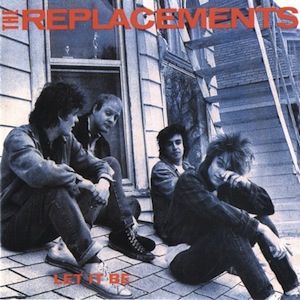
LET IT BE (1984)

I like to read reviews of albums when I do listen-throughs like this. I knew this was a renowned album, but I didn’t realize just how renowned it is. This represents a more mature Replacements, swapping out garage jams for longer and more toned-down songs and, in doing so, producing a certified indie classic.

I’ll be honest here and say I wasn’t hooked at first. The classic opener “I Will Dare” and the follow-up “Favorite Thing” didn’t really grab me in any way. I’m not really sure why, maybe because I didn’t quite know what to expect. Regardless, I was hooked after that. “We’re Comin Out” may have been more of a throwback punk jam, but it roped me in and the rest of the album held me tight. The disdainful ennui of “Unsatisfied,” the straight-forward rock of “Sixteen Blue” and the powerful ballad “Androgynous” all signal a genuine turning point for the group. “Androgynous” is easily the best and most important song they’ve done so far, with serious and prescient lyrics and real shades of Bowie rhythms on the vocal front (though maybe I’ve got Bowie on the mind from both his own flirtations with androgyny and, well, all of my Bowie posts).

The album isn’t devoid of energy and wit, though. I mean, there’s a song called “Gary’s Got A Boner.” The album is also titled Let It Be, with no songs by that name – an obvious bait. There’s also the aforementioned punk track “We’re Comin Out,” and a experimental garage tune called “Seen Your Video” that gives some vital energy to the album’s back half.

Still, the most impressive things about this album are the patient songwriting and the ballads. It’s a total 180 from the first two records, where energy and snark were the driving factors. The band wanted to sound more mature, and it’s a complete success. This may well be one of the best albums of the 80’s. I find myself struggling to criticize even a single song. Perfect.

Grade: 9.5/10

Fav track: “Androgynous”

TIM (1985)

Another Replacements album, another heralded piece of art from the 80’s. Critics seem to be just as hot on this one as they were with Let It Be, but I wasn’t feeling Tim as much. Pardon my phrasing.

This album was certainly interesting on paper, because it was as diverse as the previous outing while also managing to make everything feel cohesive, instead of a manic collection. My two personal favorite songs on the album – “Bastards of Young” and “Here Comes A Regular” – could not have been further apart. The former is the most raucous song on the album, a ripper that doesn’t align with their garage rock past, but falls somewhere near it. Closer “Regular” is a somber and metrical ballad, which sounds all the more striking when most of the preceding album was loose and rough. It’s got a catchy, repetitive hook that didn’t necessarily grab me at first but wore me down until I was super into it.

The rest of the album is fine to great, but the individual songs didn’t leave much of an impression on me. Like Let It Be, this one took some time to get going for me. The two songs I loved are on the back half, though “I’ll Buy” and “Swingin Party” were great as well. Even now, shortly after I finished listening to it, I couldn’t tell you much about most of the album’s songs. I think I owe this one an immediate revisit, because clearly something didn’t quite click for me.

Still, this is a great album, and it’s another logical step forward for the Replacements. They’re still maturing their sound, deepening their lyrics and cutting away some of the roughness. It’s rare to see such a hot streak to open a career, and I’m wondering if that gets maintained across the whole run (which I’m now over halfway into). I know very little about the upcoming albums, so let’s see!

Grade: 7.5/10

Fav track: “Here Comes A Regular”

PLEASED TO MEET ME (1987)

Okay so, if you’re reading this, then you’re doing it all in one chunk. But I should mention that there’s actually been a multi-week break in between Tim and now, which is antithetical to the project itself. Life got in the way! A lot of things are suddenly in shambles right now! But that is also fitting, given the general concept of this album. The Replacements are down to a three-piece, and shifting even further away from their punk origins. The album’s cover and title reflect this, in a one-two meta joke that also feels less snarky than their older jokes.

This album basically goes chronological – the opening three tracks, “I.O.U.,” “Alex Chilton” and “I Don’t Know,” are all fast-paced punkish bangers. But it calms down after that, and the forward-looking lyrics of “I Don’t Know” reflect that. The few songs that follow are all (a little too) similar, in their midtempo post-punk nature. There’s a lot of tracks that could get mistaken for indie these days. The songs are generally more serious than before, mostly drained of their humor and energy. Side A is all great, but it does fade out a bit as it goes on.

Side B sees the band diving further into unexplored genres and ideas. The classic closer “Can’t Hardly Wait” is a smooth, jazzy tune with early ska undertones and smoother production than any other track they’ve ever put out. “Shooting Dirty Pool” is a song that both sounds and takes place in a dark, carpeted lounge. And “Red Red Wine” comes close to pop ballad, ironically sounding similar to Peter Gabriel’s “Red Rain” (and this time, I don’t think it’s a joke).

The concept of this one really worked for me a lot. I greatly enjoyed this one, a true meeting of the punk and alt minds, and a stepping stone that feels like it was meant to happen behind the scenes. This is, also, the exact album I expected to hear at some point in this project, when I jumped in knowing very little about this group. Excellent.

Grade: 8/10

Fav song: “I Don’t Know”

DON’T TELL A SOUL (1989)

Again, there’s a logical progression we took to get to this album. This album continues down a path of self-serious reinvention. It is the most mature, serious and introspective album from them yet – by far. This album is a collection of jangly, adult songs.

As I often do with albums of midtempo alternative like this one, I’m struggling to really come up with much to say about it. Everything on this album works, but it’s not really a “for me” record. Naturally, my two favorites were the two most energetic songs – “They’re Blind” and “I Won’t,” although I will concede that the latter is really kind of a filler song.

It’s an immensely pleasurable listen, and it really doesn’t have any down moments, but it’s also definitely my least favorite so far. For me, the enjoyment in this record is more the path we took to get to the record rather than the record itself. What started out as a bratty, snarky punk group quickly found their cement in maturity and patience. And the fact that a more mature version of the group can put out a record this consistently solid without sacrificing any morals or soul is remarkable. It’s a trajectory that many have tried and few have passed.

This record is a must-listen for any 80’s alternative fans. I suspect it’ll grow on me with more listens, but that’s not the point here – immediate reactions only. So basically, I don’t know: it’s good!

Grade: 7/10

Fav song: “They’re Blind”

ALL SHOOK DOWN (1990)

Alas, this almost entirely fulfilling project ends not with a triumph but with a whimper. This last Replacements album is barely such, devised originally as a Paul Westerberg solo project. It’s messy and clunky, devoid of all charm and humor. Worst of all, it’s the only Replacements album that doesn’t have any sort of flow to it. It is, in my opinion, just bad.

But not entirely! The album did produce two modest hits in “Merry Go Round” and “Attitude,” and they’re both fine songs. There were also two late-album tracks, “Happy Town” and “My Little Problem,” that clung to me in the way that the older Replacements tracks did. So it’s not like this album is a wash or anything – but four out of thirteen tracks is a low batting average.

The Replacements coming to a halt in the 90’s feels similar to classic rock bands struggling to adjust to the 80’s. The album’s atrocious cover is a gray photo of two dogs while the album title is upside down and the band name is written twice – once forwards and once backwards. It’s an aggressively 90’s album cover, similar to Yourself Or Someone Like You, Cracked Rear View, and Stunt. Like the album, it feels unfocused and obligatory. There was a changing of the guards sonically, and this signaled the end of the Replacements.

There’s nothing wrong with this album, it’s just pretty boring. Everyone that plays on it feels lost and there’s little for a listener to really grab onto. It should’ve stayed a solo album rather than the label forcing their hand at a cash grab, because it does diminish the band’s legacy. Not a terrible album, but not a fitting end.

Still, this project has been far more fruitful than I could’ve possible imagined. I really wasn’t sure if I was going to like anything I heard – and I loved so much of it. Consider me hooked. I did a full 180. Their style didn’t really click with me until I just sat down and consumed what they had to offer. I will definitely be revisiting most of these albums on a regular basis now. Hooray!

Grade: 4.5/10

Fav song: “My Little Problem”

Thanks for reading, if anyone did! Up next is another long venture, and a band I’ll finally be seeing come Halloween night: DEPECHE MODE.

The Bowie Chronicles, Part 5

Well folks, we’ve done it. We’ve hit the end, er, we will in a few hundred words. I’ve listened to every studio album Bowie put out during his original run, and it’s been…..an experience. It was as enlightening as I had hoped, but maybe not quite as good as I had wished. A lot of these albums weren’t the best! But we still have a few more to get through before the finish line. Back at it.


BLACK TIE WHITE NOISE (1993)

It wouldn’t be the whirlwind of the Bowie catalog without another total reinvention. This feels like Bowie’s most adventurous album to date, a breezy and atmospheric art-pop album with forays into soul, jazz and electronic. The album was born out of excitement and tragedy, with Bowie’s marriage to Iman and the LA police riots, two things that occurred in the same week. The album is reflective of that, and I can feel it in the genre blend. Although all of these songs are fun and smooth, there is definitely a melding of influences. The added influence of the king Nile Rodgers behind the scenes only helps this.

It’s a bit of a confounding record, to be honest. Each track feels both complex and innately digestible, so the product all feels like manufactured soul. But there’s an earnestness to it too, with Bowie shedding yet another persona. You can listen to this either as forgettable background music or as a complex and curious work that ranks among Bowie’s more underrated albums. I suppose I, even more confusingly, took it both ways. It isn’t super cohesive – although I would argue it is more cohesive than the most slanderous of reviews claim – but it does seem to have an identity. There’s no standout track, not one I would grab for my general collection, but as a whole it’s a passable, fun listen.

As is the case with some previous albums, the low point for me was a cover – this time of Cream’s “I Feel Free,” arguably my personal favorite Cream song. It’s a pretty lifeless song, ironically, and a bad example of a “lyrics only” cover. It loses the spirit! There’s some other low points, though the album really does just flow as a whole. “Looking For Lester” is a fun jazzy jam for a while, until it belabors the point and you realize it’s very rehearsed. And the opening track “The Wedding” works for a bit but overstays its welcome.

As an experimental and dedicated record, I think this mostly works. It shakes the stink of “obligation” off form the 80’s pop records, this sounds like an album Bowie made for himself. It’s never really great but it has few low points too. I would maybe revisit this at some point, but I’d have to be in the right mood. I don’t know!

Grade: 7/10

Fav non-hit track: Well like the two Tin Machine records, this didn’t really provide a hit. I’ll say the dreamy “You’ve Been Around”

OUTSIDE (1995)

Man I don’t know what to make of this one. I had no clue coming into this that Bowie had done a massive concept album like this. I can see he was originally planning on this being a minimum 5-album project that was never seen out. It’s wild to think this is just sitting in his catalog with no real attention positive or negative.

I was listening to it while I was working (as with every other album on this list) so I really couldn’t pay devout attention to the narrative themes or characters, and that aspect was certainly lost on me. With only the music to go on, this was a slog and a half. Bowie was inspired by “outsider music” but I don’t really see that present here. It’s mostly slower songs and interludes that become mostly interchangeable with each other after time. It’s Bowie’s longest – by a considerable amount – and that length comes into play. It’s bloated and, simply, boring.

There’s a few interesting tracks, of course. “The Heart’s Filthy Lesson” is a particularly fun one, and the surprising “Hallo Spaceboy” sees Bowie tread into more of an industrial territory. This album preceded the doomed tour with Nine Inch Nails, but this song acts as the precursor. It’s the loudest and best song on the album, and the most left-field one. But both of those songs are on the album’s front half, and the back half is long.

This is another reactionary-against-pop album, with Bowie in full control of his ambitions. I can never fault him or the album for that. If this had been realized as a full universe, it could be a classic! But as an abandoned project, it exists as a weird artifact, an outsider album for even Bowie, and one that leaves me more dumbfounded than anything. On another listen, especially a closer one, I might learn to love it. But really, I found it monotonous. Bewildering, skippable work.

Grace: 4/10

Fav non-hit track: “Hallo Spaceboy”

EARTHLING (1997)

This one I know I’ve listened to at least some, because “I’m Afraid of Americans” has always been one of my favorite Bowie tracks and I was intrigued by the Nine Inch Nails pairing. But I really didn’t remember any of it! I super enjoyed it, it’s Bowie just exploring new territory because he wants to, again. But gone are the dreamier elements of his past few albums in favor of pseudo-industrial rock. It’s very metrical and often very heavy, probably the most abrasive music in Bowie’s catalog. But it’s not without melody, too.

It’s far from perfect, it really relies on the heavier, more booming songs – and they’re a little too and far between. The album’s more filler tracks don’t really hit with any sort of urgency or importance. They’re pleasant, but it’s clear the album is centered on a few songs and not a whole.

Thankfully, some of the best tracks are on the longer side – some of the longer ones in his catalog. The pounding opener “Little Wonder” hits six minutes, and the equally-good “Dead Man Walking” stretches past seven. And, unlike some of the other Bowie singles I love, “Americans” really sounds great in the context of the album. Absolute banger.

So: this is a great one, I feel it’s due for a reappropriation. I don’t think people are super keen on it, but there’s a lot of good stuff to dig through. Even some “lesser” songs like “Seven Years in Tibet” and “Battle For Britain (The Letter)” hit, at least as enjoyable songs. I liked it as much as I expected to!

Grade: 7.5/10

Favorite non-hit track: “Little Wonder”

HOURS… (1999)

I’ve mentioned this before, but Bowie has always been keenly aware of how an album cover can reflect its contents. Earthling see him downing a flashy suit from behind, with bright colors seemingly added in digitally. The cover to this album is…dreadful. His name is written in no specific font or size, and the image of one Bowie cradling another looks religious – the intention, but not in the correct way. It looks like the cover for a Christian rock album.

It’s pretty dull. After a few albums of “for me” experimentation, Bowie treads back into the light of radio-friendly music, this time in the form of adult contemporary rock. There’s absolutely nothing wrong with the album, it just all feels similar. There are 10 tracks; one is an interlude, one is a banger, and eight of them are mostly interchangeable ballads. On their own, they sound fine, but as a collection, it just doesn’t add up to anything particularly inspiring.

The opener “Thursday’s Child” was the only song I knew going on, and it really is a fine and pleasant ballad. Seemingly the most popular track (on Spotify) is mid-album ballad “Seven,” which really is the best one in the collection. It’s one of the better Bowie ballads, at least of the back half. I urge folks to check that one out. My personal pick was, naturally, the sole banger: “The Pretty Things Are Going To Hell.” It’s a fun tune, a nice antidote to the first few downer songs.

Those three songs aren’t really enough to save the album. It’s a release searching for an identity. It’s kinda spacey, a bit, but not enough to feel like Bowie. It simply exists. It’s one I’ve been dreading, and it really just wasn’t much of a listen.

Grade: 5.5/10

Fav non-hit track: “The Pretty Things Are Going To Hell”

HEATHEN (2002)

On paper, this album is intertwined with Hours… due to the fact that they’re both art-pop albums that embrace vaguely religious themes. But this is one is far better, and delightfully so. I had higher hopes for this one, but I really was surprised – it’s one of his more underrated albums! I mean, the reviews were all pretty positive, but its an album that’s just not talked about much anymore.

In practice, the album really is similar to Hours… as well – mostly ballads with some fun stuff thrown in. But the ballads feel stronger somehow. I’m not sure if it is inspiration of production, but the songs just sound fuller. And in this case, the “fun stuff” is covers of songs by Neil Young and Pixies. There’s also some delightful bops like “Afraid” and “I Took A Trip On A Gemini Spaceship,” the latter of which is unsurprisingly Bowie’s spaciest song in years. Early album cuts “Slip Away” and “Slow Burn” are extremely satisfying ballads, with Bowie relying more and more and his simple vocal power.

I’m being totally gushy – it’s not a perfect album or anything. The back half is fun and playful, but it isn’t anything super memorable. Songs like “A Better Future” and “Everyone Says ‘Hi’” are very digestible little jams that justify their presence but don’t exactly stick around in your brain. Nothing wrong with that! It’s an improvement over most of the last decade’s worth of album back-halves. But still, it only makes an album that’s “pretty good!”

It’s a shame that I’m so close to the end, because if Bowie had kept up with a sound like this, we could’ve potentially had a nice late-career run. But, touring was growing on him, and he was moving increasingly reclusive. Heathen is a fun album, though, and should be cherished as a little late-career gift (until the two late-late-career gifts). Really folks, it’s worth it!

Grade: 7.5/10

Fav non-hit track: “Slip Away”

REALITY (2003)

And friends, this is the end. And we end in a very similar way that we started: with a decent, mostly unnoteworthy rock album. Reality is a fun, playful rock album similar to the ones Bowie was putting out before he really got into his groove. It’s fascinating to think this is how he ended his original run, a run that I always assumed ended a few years after this album’s release. Now, I wonder if this was a planned goodbye.

This album has some solid bangers and ballads, though it’s got some filler time too. Real talk: I accidentally let this album sit for a week, so I’m not remembering it as well as most of these post-mortem reviews. But still, the good tracks are fresh in my brain. It’s an up-and-down album, but considering how bad some of the nadir albums have been, it still feels refreshingly jubilant. Bowie has one of his better late-career vocal performances on the disarming “Looking For Water,” a downtrodden song that’s still pulsing and catchy. “Reality” is a great bruiser, and would fit in with his early classic rock hits. “Try Some, Buy Some” hinges on a corny rhyme, but it grows into a powerful ballad about Bowie’s own addiction issues – and running with the theme he used in “Space Oddity” and “Ashes to Ashes.” A lot of the other tracks are at least enjoyable, if not as memorable as these three standouts.

Unlike the 90’s run of Bowie albums, he’s not trying to reinvent the wheel here. It’s just a showcase for what he did best during his heyday. It’s a fittingly hit-and-miss finale for a hit-and-miss catalog. I’m skipping over The Next Day and Blackstar because I already know those albums extremely well, and I love them both. So for the purpose of this exercise, Reality is the end. Quite frankly, this whole Bowie project was not as rewarding as I had hoped it would be! But it served it’s purpose – I’ve finally contextualized the decades of Bowie songs I’ve loved into a (somewhat) cohesive catalog from a (not at all) cohesive musician. While there was a lot of sludge, I definitely love and appreciate Bowie more than I already did. This has been fun! Even with the putrid 80’s albums!

Grade: 7/10

Fav non-hit track: “Looking For Water”

My next long project is going to be Depeche Mode – I’ll be seeing them on Halloween – but up next is a short one from a band I know little about: The Replacements.

The Bowie Chronicles, Part 4

Ugh, again, I apologize for how late this is – this whole Bowie project was supposed to take a month at most, but I haven’t had the time to actually make these posts. I’ve been listening and writing! But everything is on fire right now and I have neglected this blog. Not only am I done with Bowie, I’m done with the next artist and four albums deep into the next artist, so expect a flurry of these. Ok? Where did we leave off. Oh right, the 80’s. Not a pleasant time for Bowie. Let’s dance jump in.


LET’S DANCE (1983)

I knew going in that this would be an interesting one to write about, since Side A of this album kicks off with three huge hits – including my favorite Bowie track – so naturally I was going to like it. And yeah, hearing them back-to-back-to-back didn’t exactly provide any kind of insight or unique listening experience. The fourth song, “Without You,” didn’t exactly demand or grab my attention, a crashing back down to Earth. What else is there to say about this?

Side B was varied, though it ultimately proved that the album was the top-heavy release that I was expecting. Side A mostly eschews the moderately-uncharacteristic lengthy tracks in favor of more standard pop akin to Scary Monsters. It’s mostly pretty boring, though I really liked “Ricochet.” Also, “Cat People” is a minor classic for a reason. “Shake It” proved to be a decent final track and one that made me realize that Bowie has never really put much focus on closing tracks, something I always find fundamental to albums.

I’m a little surprised at how little I have to say about this one. I always kinda figured this was a key Bowie album based on the triple-punch openers (pun intended). Yet, it just exists, and it feels clear to me why Bowie himself didn’t like this period. It’s also worrying for me, because I know the next few albums are going to be much worse. Oh well. Let’s dive in.

Grade: 6/10

Favorite non-hit track: “Ricochet”

TONIGHT (1984)

Yep. This isn’t exactly great. For the first time since the beginning of his career, Bowie sounds consumed by, rather than predicting, the state of music. This feels very 80’s in a not complimentary way, a collection of cheesy ballads and synthy noodling. It isn’t bad, at all, it’s just…there.

There are some highs! The opening track “Loving The Alien” is one of Bowie’s best vocal performances to date. It’s a ballad – not a great way to open an album to be honest – that strips away theatrics in favor of performance. It’s a crooning song, something that I feel like is associated with Bowie but rarely actually present. There’s a handful of these tracks across the album, but none as good as this. Also, I really enjoyed “Neighborhood Threat,” which kicks off the back half with the first dose of adrenaline on the album. It’s a genuinely fun song, and seems to have fallen into obscurity within a catalog that hasn’t.

But that’s about it. Six of the album’s nine tracks are forgettable pop fluff, reflective of the times and not ideal relics. It’s clear Bowie was running out of juice. The album’s penultimate song “I Keep Forgettin’” is actively bad, a hokey and cringey song that sounds closer to music made for toddlers than anything else. The fact that it’s also the album’s shortest song is both a relief and an insight into how little ambition there was across recording. There’s nothing remarkable about this album, and diehards may get something to glean from it, but there is very little going on. It’s dull.

I’m going to say that this is the worst one yet, but I know that title is largely reserved for the next album. I’m about to hit a weekend, so I get to treat myself Monday morning.

Grade: 4.5/10

Favorite non-hit track: “Neighborhood Threat”

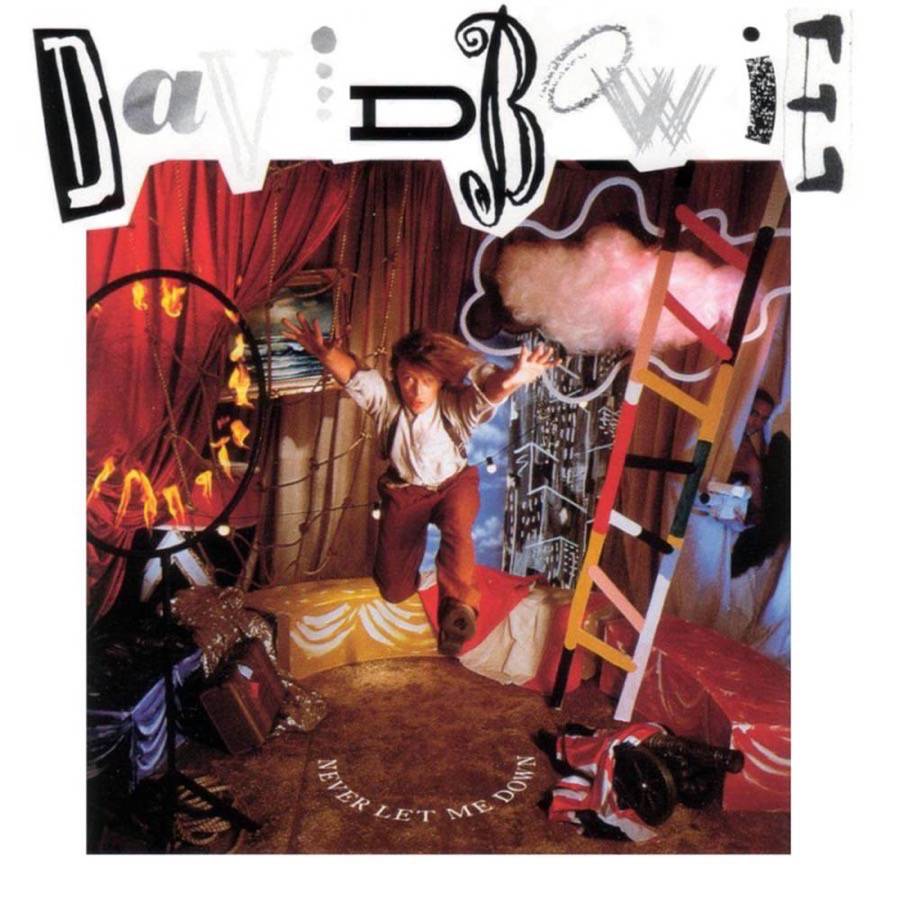
NEVER LET ME DOWN (1987)

For the record, I was listening to the version on Spotify listed merely as “2018 Remaster” and I cannot tell if it’s the full-album remix or a slight reworking of the original, due to the platform’s continued and nonsensical war on an audiophile’s reliance on accurate data. Anywho. This album is fine. It’s pretty universally regarded as the worst Bowie album, by critics, biographers and the man himself. I don’t think I would go that far, but I also had my expectations set low because of the reviews. The album was supposed to be a return to rock-and-roll Bowie and by that metric, it’s an abject failure. The record mimics the art-pop of Tonight, a collection of quirky and complex pop tracks that sound closer to livelier Kate Bush or MJ than anything else.

For the most part, the record feels kind of lifeless. It’s not uninspired, like some earlier Bowie, but there isn’t really a whole lot going on, no real statement or character work. Each song individually is fine but the album as a whole feels lackluster. It’s clearly a mess, and unlike some of Bowie’s early slapdash albums, there’s no real excuse. He had the time and energy to do something more but the well ran dry. Every song feels like it borders on being fun and danceable but never quite gets there, more of the disposable pop music he had satirized a decade prior.

That’s the album as a whole. As stated, the quality isn’t due to effort, and there are some good tracks. “Zeroes” and “Glass Spider,” both centering the album’s midpoint, grabbed my attention and didn’t let go. There’s enough cool stuff going on in those songs to make them worthwhile listens. Also “New York’s In Love” is hokey, but it features the best guitar work on a Bowie album in a long while. These songs are all fine, but to call them the best on the album is not complimentary to the rest of the songs.

I don’t think this is the worst Bowie album yet, I’m keeping that with the previous entry. But there is a brutal irony to the album’s title, as Bowie has let us down again. Up next is the Tin Machine duo, something I personally am very excited for as it seems like “me” music – but I will tamper my expectations.

Grade: 5.5/10

Favorite non-hit track: “Zeroes”

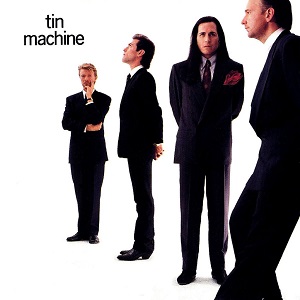
TIN MACHINE (1989)

It’s really funny that people had such strong reactions to this one in any direction. There’s really very little to say about it! A lot of reviews seem to liken it to alternative or even proto-grunge, but to me it’s more of a throwback to bluesy classic rock, released right around the time that “classic rock” became a solidified period of music. It doesn’t really fit the “hard rock” label and it doesn’t really try to, a lot of these reviews are head-scratchers. The album is definitely focused more on volume and vibes than melody, a lot of these songs intentionally eschew any earworm qualities. It’s a proper about-face for a man who was miserable in the pop music he was making.

However, this also means that there’s just very little to grab on to! This album is almost entirely forgettable, the second it’s over. The opener, “Heaven’s In Here,” is a solid rock track and a nice mission statement. The album’s best song is easily “Under the God,” a scathing satirical screed that has the most energy of any song on the album, and feels the most inspired. Otherwise, these are all just pleasantly enjoyable, disposable songs.

I was looking forward to this one despite the bad reviews because it might be something up my alley. It was, but it certainly isn’t an album that left any impression on me. It’s not one that I regret listening to, but I will not be paying a revisit. It’s fine! Time to wash the 80’s stink off of all of this.

Grade: 6/10

Fav non-hit track: “Under the God”

TIN MACHINE II (1991)

I never would’ve guessed that a Bowie album would be so tough to track down! This album is out-of-print and not available on Spotify. Luckily, it’s all up on YouTube, but it is wild that there’s an album so discarded that’s not even in print, less than a decade removed from his commercial peak.

Anyways, this one is a little better than the first iteration, and I’m surprised it’s been so thoroughly retconned. These songs are much more melodic, a marriage of rock and pop made after the whiplash affairs through both. There’s more energy here, and the band feels more locked in. I’m realizing now that Tin Machine exists mostly as a reactionary statement to pop-Bowie, with the man proving he can still hang in the rock crowd. But this album exists because the band simply wants it to – which is a much better incentive for an album.

To say it’s better isn’t entirely complimentary, because the first one really is forgettable. This is not a classic or totally worthy album, but it is solid. There are some good rock earworms, and a lot of sustained momentum through the album’s slightly-too-long runtime. Songs like the opener “Baby Universal,” “A Big Hurt” and “If There Is Something” are just great, energetic rock tunes. They can’t hang with Bowie’s best, of course, but they’re fun and they help this album a ton. Also, “Sorry” is a great, forgotten ballad; Bowie’s vocals on it are astonishing.

Otherwise, this is standard fare pop-rock stuff. Like the first Tin Machine album, this is a little too long when the quality isn’t stellar. A little less would’ve been a little more. But, it’s an improvement over the first, and it makes me a bit sad that the group didn’t live through the proper grunge era. This is a fine album, even if tough to find, but we’re still well in the wake of Bowie’s peak. Back to solo Bowie next. And one more post to wrap everything up.

Grade: 7/10

Fav non-hit track: “If There Is Something”


Thank you to anyone who is borthering these silly little musings on the worst David Bowie albums! This is part of an ongoing series where I’m deep diving into catalogs by artists I either love but don’t know as well as I should, or artists that are just big blind spots. You can check out the previous Bowie entries Part 1 | Part 2 | Part 3 as well as the foundational post, Zola Jesus.

The Zola Chronicles

Welcome to the first ever edition of The _____ Chronicles! In this hopefully ongoing series I’m going to be doing deep dives into the catalogs of artists I like but haven’t explored enough. This is partially a way to jump headfirst into some daunting catalogs I’ve been putting off, but also a way to burn through some smaller ones, too. While the second edition will very much be the former, we’re starting with the latter: Zola Jesus. Imagine if I had titled this post The Jesus Chronicles? How pretentious does that sound!

Zola Jesus is really the moniker of solo singer Nika Danilova, though she’s usually backed by a consistent group. Though a recent artist and someone very much in the current zeitgeist, her music is more indebted to bands like Siouxsie and the Banshees, and The Jesus and Mary Chain. Her music is often inspired more by industrial and goth than anything else, but with the incorporation of lush atmospheres and pop vocals. It’s an interesting combo, something that sounds both progressive and timestamped to 1986.

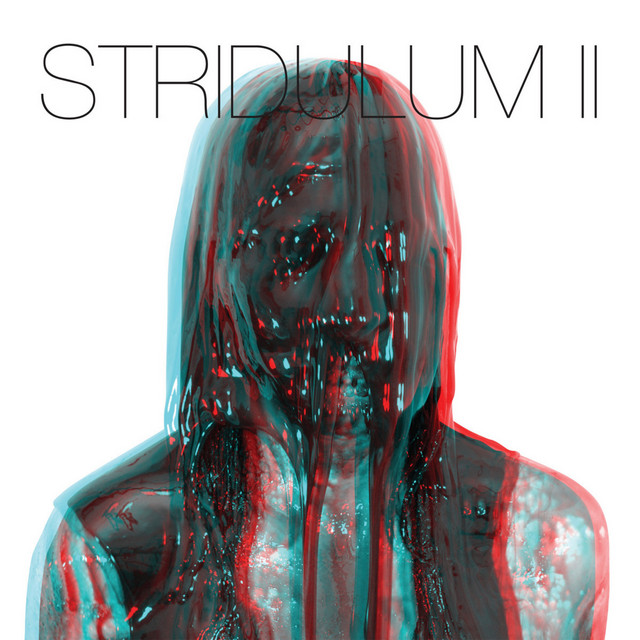
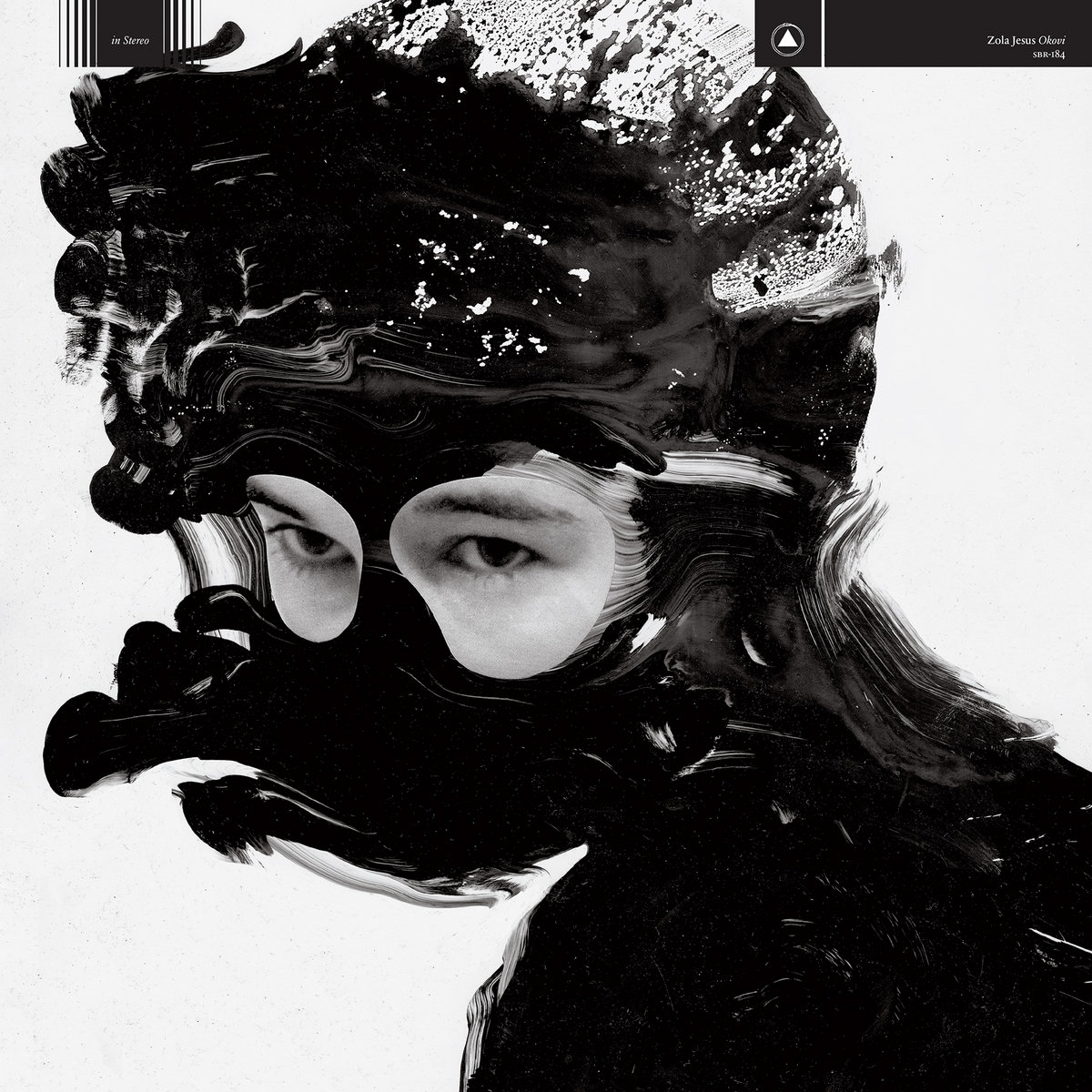
Zola was on my radar for a bit when I become a devotee to Sacred Bones Records, but it wasn’t until Nika started dropping some harsh truths about the state of indie music on twitter that I started paying attention. I’ve heard her most recent release, 2022’s Arkhon – which brought up the rear in my alphabetical-by-artist Best Albums of 2022 list – but I’ve otherwise not heard any releases. So, I’ll be streaming and reviewing the first five studio albums, in order. These are The Spoils, Stridulum, Conatus, Taigi and Okovi.


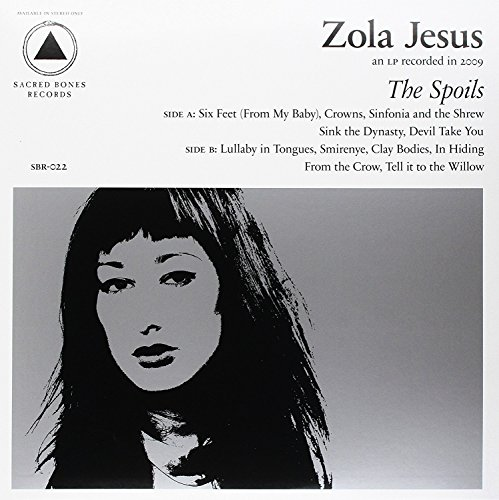
THE SPOILS

I really dug this record. The most immediate thing to note is that there’s some earlier songs attached to the end of it, and it does alter the listening experience. The album’s final tracks follow more conventional pop song structures, but with some very rough lo-fi recording. It’s not really an extension of what came first but an attachment, and it doesn’t super work – but the songs are good, so it didn’t bother me! “The Way” is actually one of the best tracks on the album, I think.

Okay, the actual album – I think this one came out of the gates hot. The opening track “Six Feet (From My Baby)” is the best one on the album and, if we’re judging Spotify plays as gospel, the most popular one. It’s got a classically industrial percussion beat but stops just short of the genre’s standard harshness. Nika’s voice brings in some operatic qualities, which is true for the whole record. “Clay Bodies” is a solid tune, enhanced by her best performance across the album. Due to the intentionally lo-fi production, the lyrics are always obscured by both the beautiful operatic vocals and the grainy fuzziness of the studio. It creates an interesting, paradoxical atmosphere of bedroom pop made for a stadium. It also follows a trend in bands like this, to eschew any qualities that might hotshot them into a big spotlight. Indeed, most of these songs are more vibes than anything, not playing into any sort of verse-chorus-verse structure and opting for dreamy soundscapes.

There’s too much – there’s a few too many of these songs and they do start to bleed together. And, with the inclusion of the very solid but different tracks at the end, the runtime is just a little bloated. But it’s still a very engaging and encompassing album – great stuff!

Rating: 7.5/10

Favorite track:“Six Feet (From My Baby)”


STRIDULUM

This is a perfectly logical follow-up to Spoils. It does exactly what it needs to – ups the production and puts more of a focus on the vocals. Spoils used lo-fi production to make a statement, but it wasn’t a sustainable sound, really. The vocals on this record are crisp and clean, and the lyrics are actually intelligible! Nika’s voice is absolutely the standout, hauntingly operatic and yet compellingly melodic. Her voice is simply forceful and commands each track. There is also a focus on individual instruments, from the sparse drums of opener “Night” to the keyboards on closer “Lightsick.”

But, even with these changes, there is still a distinct lack of palpable pop qualities here. These songs are still very dreamy and hypnotic, even if they come closer to being defined as “ballads.” I’m not sure if the general affect works quite as well here, as it feels like too much of a good thing, and unlike Spoils I think this album is aided by individual standout tracks. “Night,” the title track “Stridulum” and “Manifest Destiny” are all among the best Zola songs I’ve heard so far. Naturally, these are also the songs where Nika’s voice is the strongest. I didn’t like this one quite as much as the debut, but it is still very tantalizing and I’m excited to keep plugging away.

Rating: 7/10

Favorite track: “Stridulum”


CONATUS

This one feels pretty similar to Stridulum, so I won’t spend much energy here. It’s quite good! The biggest difference is a reliance on multi-layered vocals, we hear Nika harmonizing with herself on nearly every track. It’s super effective, and mixed with the crispest production yet, we get an album that is incredibly dreamlike. For all I know, this was recorded inside a cave. This also feels like the closest thing to a solo project, as the album relies even heavier on the vocals.

Where Stridulum really was bolstered by some great songs, this one feels like a more comprehensive record. The vibes work better than ever; this is a great album to throw headphones on and disappear into. I think she and the band are really finding their proper groove here, maintaining a consistent aura without falling into a repetitive trap. There’s pop vocals and traditional sounding ballads, all wrapped up in a completely hypnotizing dreamy wash. By this point the albums are pretty consistent, but this is the best one so far.

Rating: 7.5/10

Favorite track: “Vessel”


TAIGA

Well this is the biggest outlier so far, so it’s fitting that this is the only review I’m writing a few days after listening and not in the immediate aftermath. This one was a frustrating listen, it featured all of Nika’s strengths but in more of a conventional pop direction. It’s a neat left-turn, a bit of a break from the system. You can tell that Nika is doing this as a fun new direction and an experiment to push the limitations of her sound. Her voice lends itself extremely well to pop tracks, as expected. This more than any other ZJ album sounds like the project of a solo star: vocals with a backing band.

All of that said, this really isn’t that pleasant of an album to listen to. A relaxation of the focus on the music makes these songs pretty half-baked and interchangeable. They’re not bad, but they just kind of exist and nothing more. This album feels like the latter half of “one for them, one for me.” I think it was maybe more fun to produce than it is to listen to. Still, it’s a solid record! This album really reinforces the power of Nika’s voice and how it transcends the little niche she’s previously hidden herself in. It’s a decent album, but one that I won’t be revisiting.

Grade: 6/10

Favorite track: “Dangerous Days”


OKOVI

Alright, we’re back on track. I really loved this one. I think this one might actually be my favorite, also taking Arkhon into consideration. Unlike Taiga, there’s no real reinventions happening here, just the best version of the Zola Jesus format we’ve seen yet. Nika’s vocals are particularly operatic, and there seems to be a heavier focus on repeated lyrics. This adds to the already dreamy/shoegaze-y music, which comes in louder than on previous albums. Okovi is the antithesis to Taiga, in that it feels the most like a full-band affair. The two albums likely make for a wonderful back-to-back (unfortunately my listens were separated by a weekend).

I would highly recommend this one to anyone who likes anything in the dream-pop realm, Beach House and beyond. It’s also got some drone elements that chip away at the pop melodies. It’s maybe the most engaging of all the ZJ albums. And as this completes my catalog listen-through, I think I want to call it my favorite.

Grade: 8/10

Favorite track: “Soak”

This was fun! As the first installment I can’t say how often or well I’ll keep doing these, especially since I’ve got some much bigger catalogs planned – but Bowie is up next. I hope someone out there has enjoyed this, and please check out the music of Zola Jesus!